How to Book a Zoo or Botanical Garden for a Corporate Event
Zoos and botanical gardens offer after-hours buyout experiences unlike any other venue category, but animal-proximity restrictions, permitted noise decibels, catering setup limitations near habitats, and after-dark lighting infrastructure create a logistics picture that requires early planning and specific contract language.

After-hours zoo and botanical garden events are among the highest-impact corporate event formats available. A 300-person reception where guests walk through lit pathways past animal habitats at dusk, with lanterns illuminating garden sculptures and a jazz trio positioned near the fountain, is a genuinely different experience from a hotel ballroom. I’ve booked two zoo events and three botanical garden events for association and corporate clients in DC and Philadelphia, and the format consistently produces the highest attendee satisfaction scores of any venue category I use. The logistics require more lead time and more specificity than most planners expect.
Zoo vs botanical garden for corporate events
The format difference matters. Zoos and botanical gardens are both outdoor-focused institutional venues with similar COI and permit requirements, but they serve different event design needs.
Zoo events: The animals are the experience. Guests walk pathways between habitats, peer into exhibits, and interact with the environment. The event spreads across a large area (most major zoos are 40 to 100 acres), which creates natural flow for large receptions but makes focused programming difficult. Best for cocktail receptions, company celebrations, and events where ambient experience is the goal. Capacity 200 to 2,000 depending on the zoo.
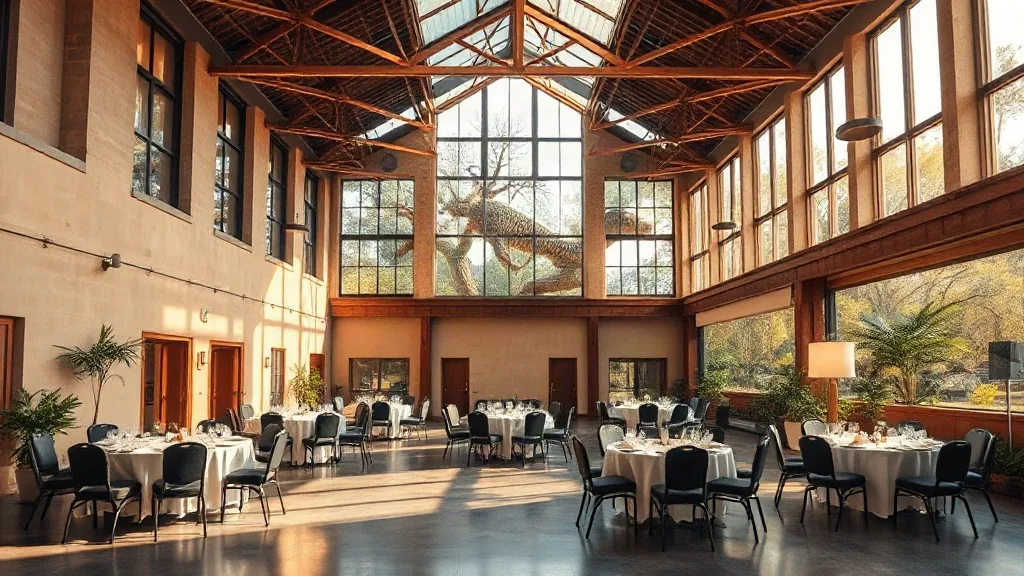
Botanical garden events: The plants and garden design are the setting. Botanical gardens tend to be more architecturally controlled than zoos (formal paths, manicured sections, designed vistas) and have better indoor/outdoor balance (many have conservatories and event halls adjacent to garden spaces). Better suited for galas, seated dinners, and events that combine outdoor cocktails with indoor dining. Capacity 100 to 1,500.
For events that need both an outdoor experience and a functioning seated dinner, botanical gardens with indoor event spaces are the more practical choice.
After-hours availability and transition time
Zoos and botanical gardens are open to the public daily, and your event window begins after public closing. Standard closing is 5pm or 6pm, with your guest arrival no earlier than 6pm or 6:30pm after staff complete the animal care transition.
This transition window is non-negotiable. Animal care staff need to secure habitats, complete feeding schedules, and do a final safety sweep before 200 guests walk the pathways. Trying to start your event at 5:30pm conflicts with operations that can’t be rushed.
For botanical gardens without overnight-sensitive animal populations, the transition window is shorter (30 to 45 minutes post-close versus 45 to 60 minutes for zoos), which allows slightly earlier guest arrivals.
Animal-proximity restrictions at zoos
Corporate event guests will want to get close to the animals. Most zoos allow viewing from standard visitor distances during after-hours events. Physical proximity beyond that, with specific restrictions:
- No guests within the secondary perimeter of any enclosure (the area between visitor path and actual habitat boundary)
- Animal encounters (handler-led presentations, feeding demonstrations) require a separate animal encounter contract and can add $1,500 to $5,000 to your event budget
- No flash photography near animal habitats (amplified light startles nocturnal animals and can cause welfare issues)
- No amplified music within a defined distance of certain habitats (typically 100 to 200 feet for large mammals and birds)
The noise restriction is the most operationally important. A DJ or live band positioned near the lion or bird exhibits will typically be prohibited. Your music and ambient sound setup needs to be sited away from sensitive habitats, which limits where on the zoo grounds you can have amplified programming.
Permitted noise decibels and sound design
Most zoos have specific sound ordinances governing decibel levels within the property and at the perimeter. Many also have internal animal welfare restrictions that limit sound levels near specific habitats.
Before finalizing your event location within the zoo grounds, ask the events coordinator:
- What are the decibel limits for amplified music within the zoo grounds?
- Which areas have animal-proximity sound restrictions?
- What is the venue’s process for sound-level monitoring during events?
Design your event’s music program around these constraints. A 200-person reception with a jazz trio is usually manageable; a 400-person event with a DJ and a full sound system requires careful siting of the sound setup away from restricted areas.
After-dark ambient lighting and its cost
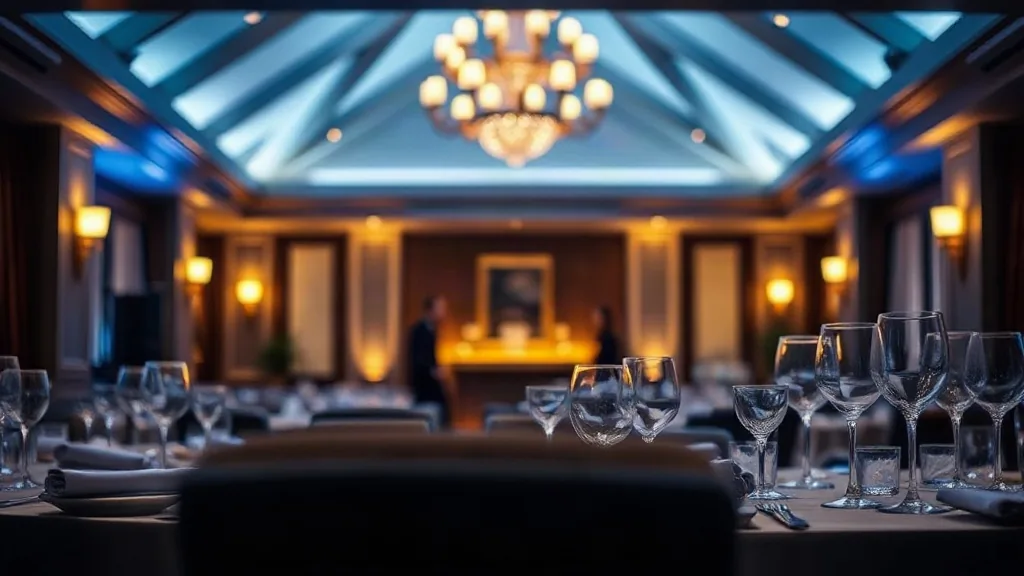
Zoos and botanical gardens at night are not well-lit for events by default. Pathway lighting for visitor safety exists, but the warm, atmospheric lighting that makes an after-hours event beautiful requires a dedicated production investment.
Standard after-dark lighting for a zoo or botanical garden event:
- Pathway uplighting (illuminate trees, sculptures, and landscape features): $1,500 to $4,000
- Spot lighting for food and beverage stations: $500 to $1,500
- Stage or focal-point lighting if you have programming elements: $1,000 to $3,500
- Lantern rental for pathway markers: $800 to $2,000
This lighting investment is what makes the event visually memorable. Skipping it produces a venue that’s dark and hard to navigate for guests who aren’t familiar with the zoo layout.
Catering setup near habitats
Catering setup within zoo grounds has specific restrictions:
- No open flame or cooking equipment within 50 to 100 feet of animal habitats (the distance varies by zoo and by animal species)
- All catering equipment must be on rubber-wheeled equipment (no hard casters on paths adjacent to habitats)
- Waste disposal from catering areas must be secured in animal-proof containers immediately after service
- Spill response protocol required for any food service within the zoo grounds
Work with the zoo’s events team to identify catering zones before engaging your caterer. Your caterer needs the approved setup areas before quoting, because the logistics differ from a standard venue.
Pricing and what drives the cost
Zoo and botanical garden events are priced differently from most venues. The rental fee typically covers facility access (the after-hours window, security staff, pathway lighting at a base level, and guest entry management). Everything else is additive.
For zoos, the rental fee for an after-hours corporate buyout ranges from $8,000 to $40,000 depending on the facility’s size, market, and the extent of access you’re purchasing. A full-zoo buyout at a major metropolitan zoo (San Diego, St. Louis, Washington DC, Philadelphia) runs at the higher end. Regional zoos offer more accessible pricing for mid-size events.
For botanical gardens, rental fees vary by season and space. Greenhouse or conservatory rentals (indoor garden spaces) run $3,000 to $15,000. Outdoor garden event spaces run $5,000 to $25,000 for a full evening, with significant seasonal variation (peak spring and fall versus winter off-season).
Both venue types have exclusive or preferred catering arrangements. The catering quality at botanical garden events tends to be higher than at zoos because botanical gardens have invested more in their events program as a revenue source. Ask for catering references from previous corporate events at the specific facility before committing.
Budget overall: for a 300-person after-hours cocktail reception with catering, ambient lighting, and security at a metropolitan zoo or botanical garden, expect total event costs of $60,000 to $120,000. The experience premium is real; confirm your event budget supports it before beginning the conversation.
Browse zoos and botanical gardens for corporate events by state, or compare to aquariums for a similar after-hours institutional buyout format in a controlled indoor environment.
For the direct zoo vs aquarium logistics comparison, Zoo vs Aquarium for a Corporate Buyout covers capacity, flow, and staffing differences for large corporate buyouts. For a broader list of after-hours institutional venues, Aquariums and Zoos That Open After Hours for Corporate identifies facilities nationally that actively market these events.
What’s your guest count, target season, and whether you need a seated dinner component or a cocktail reception format? Those three factors determine whether a zoo or botanical garden is the right fit and which specific spaces within the institution will work.