
How to Negotiate In-Kind Venue Sponsorship for an Association Event
Associations can get complimentary or deeply discounted venue space in exchange for branding exposure, attendee marketing, and a post-event case study. The exchange works because venues get trackable marketing value without a cash outlay. Here is the specific value-exchange framework, the ask structure, and the contract language that makes both sides comfortable with the arrangement.

I’ve secured in-kind venue sponsorship worth $24,000 to $68,000 for association events over the past eight years. Not because associations are charming or because venues are charitable, but because the value exchange, structured correctly, is genuinely attractive to a venue’s marketing team and general manager.
The mistake most associations make is asking for a discount without offering anything specific in return. “We’re a nonprofit and the budget is tight” is not a value proposition. “We can offer your venue 4,000 social media impressions from our member list, a post-event case study distributed to 3,200 planners, and primary venue branding in our conference materials” is a value proposition.
Here is how to build and present it.
Who at the venue to approach
Sales managers handle group bookings and are compensated on revenue. They have no incentive to discount a booking and every incentive to hold rate. Approaching a sales manager with an in-kind proposal is the wrong starting point.
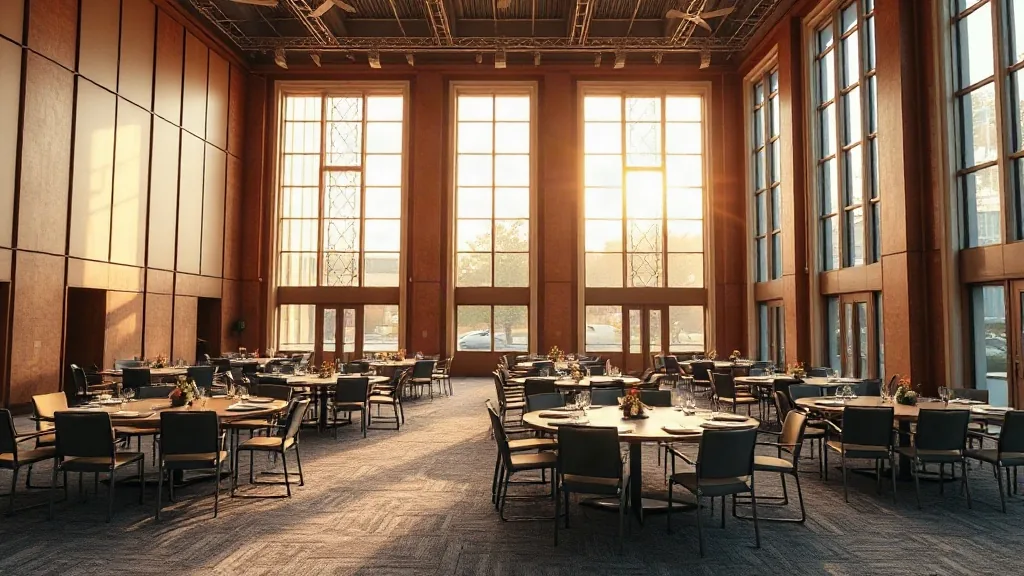
The right starting point is the Director of Marketing or the General Manager, depending on the venue size. These roles have discretionary authority over sponsorship-adjacent decisions because the value being exchanged is marketing exposure, not room revenue. A GM who sees a chance to get their venue featured as “host venue” in a 3,200-person association newsletter is making a different calculation than a sales manager protecting quarterly revenue targets.
Find the GM or marketing director. Ask for 20 minutes to discuss a sponsorship opportunity. Don’t open with “discount”; open with “sponsorship partnership.”
The value exchange framework
The in-kind sponsorship works when what you offer is worth more to the venue than the revenue discount you’re asking for. That means you need to know two numbers before you enter the conversation:
- The standard rental fee or F&B minimum for your event size at this venue
- The documented marketing value you’re offering
Documented marketing value for a mid-size association (2,000-5,000 members) might include:
- Email newsletter mention to [N] subscribers (valued at $X per send based on your email ad rate, or at industry standard CPM)
- Social media posts on event day and post-event (valued at [N] impressions)
- “Proud host venue” designation on all event materials (banner, printed program, website, email invitations)
- Post-event case study written by the association and distributed to members, describing the event experience at the venue
- Speaking opportunity for the venue’s GM at the opening session (5-minute welcome)
- First right of refusal on hosting the following year’s event
The case study and first-right-of-refusal are particularly attractive to venues because they lock in future business consideration and produce third-party credibility content.
The ask structure
Come to the meeting with a tiered proposal. Not one ask, but three levels:
Gold partnership (maximum in-kind value): Full venue space complimentary, F&B at cost, venue staff included. In exchange: all marketing deliverables above, the case study, and naming rights (“2026 Annual Conference, hosted at [Venue Name]”).
Silver partnership: 50% reduction in venue rental fee, F&B at standard group rate. In exchange: newsletter feature, social media mentions, printed program credit, first right of refusal.
Bronze partnership: 25% reduction in venue rental fee. In exchange: newsletter mention, printed program credit.
Presenting three tiers gives the venue something to say yes to at their comfort level. A GM who won’t give away the full rental fee may readily agree to a 25% discount for a newsletter feature. Starting at Gold and negotiating down is less effective than presenting tiers that let the venue choose their entry point.
Contract language for in-kind agreements
The in-kind arrangement should be documented in an addendum to the standard venue contract, not as a verbal understanding. Key clauses:
Deliverable list with specifics: “Association will provide: (a) one email newsletter feature to a subscriber list of no fewer than 2,800 members, distributed within 60 days of the event; (b) primary venue credit on all printed conference materials; (c) one social media post per association account (LinkedIn, X) on the day of the event, with a minimum combined reach of 4,000 followers.”
Be specific about the deliverables. “Social media mentions” is meaningless without follower count and post timing.
Valuation of the in-kind contribution: “The Association and Venue agree that the in-kind venue contribution, valued at $[X], is provided in exchange for the marketing deliverables described above, valued by mutual agreement at $[Y].”
This valuation protects both parties. The association can treat the in-kind contribution as a sponsorship (not taxable revenue for most nonprofits if structured correctly; confirm with your accountant). The venue can record the in-kind as a marketing expense rather than a revenue discount.
Recapture clause: “If the event is cancelled by the Association with fewer than 60 days’ notice and no rescheduled date is confirmed within 30 days, the Association agrees to provide the marketing deliverables on an alternate agreed-upon timeline or to reimburse Venue for 50% of the standard rental fee.”
This protects the venue from a cancellation that leaves them with neither revenue nor marketing value.
Which venue types respond best
Hotels and resorts with active marketing departments respond well to in-kind proposals for events that align with their target market. A policy association conference at a downtown DC hotel produces attendees who are potential future guests; that alignment makes the in-kind more attractive than a random event the hotel’s guests won’t attend.
Museums frequently have formal venue sponsorship programs for nonprofit events. The ask process is more structured, with a standard application, but the precedent for in-kind relationships is already established. Check the museum’s events page for existing sponsor language before you approach.
University venues are accustomed to in-kind and subsidized arrangements for educational and nonprofit events. Alumni-run associations often have existing relationships with university conference facilities that provide favorable rates as an institutional courtesy. If your association has any academic or educational affiliation, start with university venues before approaching commercial properties.
Before approaching the GM with a sponsorship proposal, make sure your underlying event brief is solid. How to write a venue RFP that gets real answers gives you the framing that shows venues you’re a serious inquiry. And once you’ve negotiated the in-kind arrangement, how to read a venue contract before signing covers the specific clauses that need to be adapted for a sponsorship addendum.
What is the total venue cost you’re trying to reduce, and what is your association’s documented marketing reach? Those two numbers determine the tier you lead with.


