
Planning a customer advisory board dinner for twelve executives
A twelve-person CAB dinner lives or dies on whether everyone can hear the person across the table. The room, the table shape, and the acoustics matter more than the menu. Here is how I set a dinner where the conversation is the deliverable.
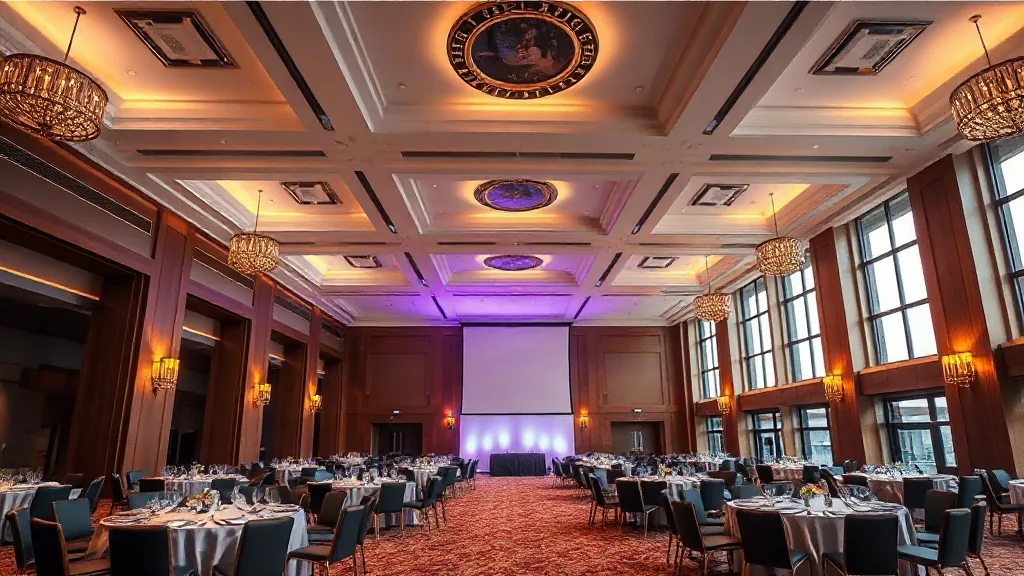
The detail that ruined an otherwise good advisory dinner was a 16-foot table. Twelve senior customers, six a side, and the two people at opposite ends spent three hours unable to hear each other. The client had flown these executives in from four cities and paid for a private room, and the single most valuable pair in the group, the two biggest accounts, sat too far apart to have a single exchange. The food was excellent. The advisory board didn’t advise. A dinner where the guests can’t converse across the table is a dinner that failed at its only job.
I convene customer advisory boards for association and enterprise clients, and the dinner is where the real work happens. The daytime session has slides and structure. The dinner is where a $2M account tells your CEO the truth they wouldn’t say in the room. That candor needs a specific physical setup, and most planners book a pretty private room without checking whether twelve people can actually talk as one group.
Twelve is a hard number for a table
Twelve is right at the edge of a single-conversation table. Below eight, everyone naturally hears everyone. Above fourteen, the table splinters into two or three side conversations no matter what you do. At twelve you can hold one conversation, but only if the table geometry cooperates.
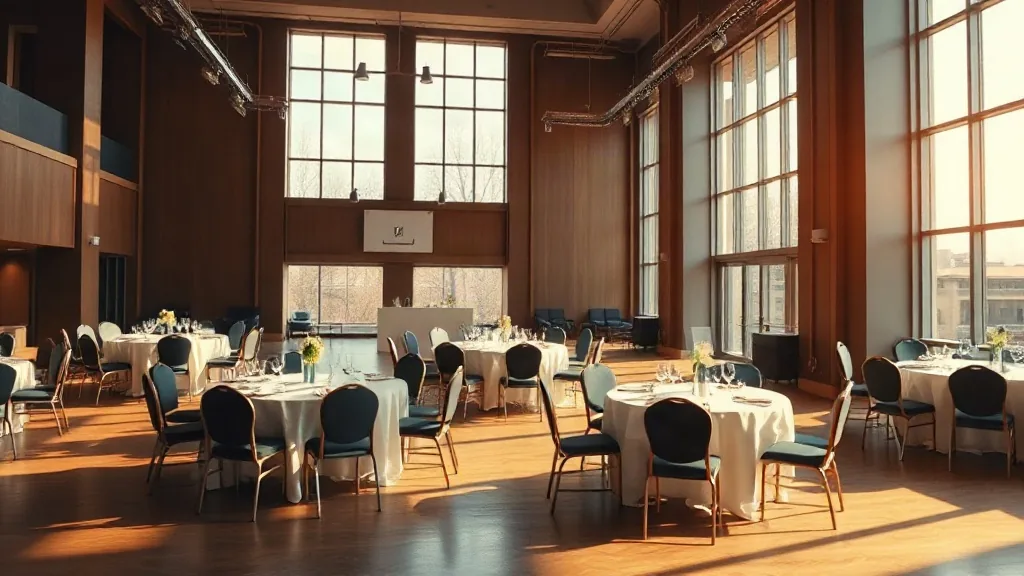
A long rectangular table of twelve is the trap. Six a side over 14 to 16 feet, and the ends are in different conversations. What I want instead is a table close to square or a wide oval, something in the 8-by-8 or 10-by-8 range, where the longest sightline across the table is under 10 feet. At that distance, one person can hold the room without raising their voice. When the venue only has a long banquet table, I ask for two round tables of six pushed into an oval, or I cap the guest list at ten and use one round.
A single round of twelve, about 72 to 84 inches across, can work and it’s more democratic than a rectangle, but the cross-table distance gets long. My default for a twelve-person CAB is a squared oval, and I confirm the actual table dimensions with the venue before I book, not the room’s stated capacity.
Acoustics are the invisible spec
The reason people can’t hear across a table is rarely distance alone. It’s the room. A hard-surfaced private room, tile floor, bare walls, high ceiling, turns twelve voices into a wash where the person across from you competes with the echo of everyone else. A carpeted room with drapes, upholstered chairs, and a lower ceiling lets one voice carry.
So when I walk a room, I clap once. A room that rings is a room where your quietest guest, often your most senior one, won’t be heard and will stop trying. I also refuse a private “room” that’s really a curtained-off corner of a busy restaurant. The clatter from the main floor will bury the exact candor you flew people in to hear. A restaurant with a genuine private dining room, a real door and soft surfaces, is worth more than a famous restaurant with a semi-private nook.
Why I lean toward mansions and clubs for this
For a twelve-person board that needs to feel important and private, a historic mansion with a dedicated dining room often beats a restaurant. You get a door that closes, a room sized for exactly your group, no adjacent tables, and a sense of occasion that tells your customers you took this seriously. The tradeoff is you’re usually bringing in a caterer, which adds coordination but gives you menu control.
A country club does the same job with an in-house kitchen and staff who run private dinners weekly. Members-only quiet, a private room, and a captain who knows how to pace a three-hour dinner without rushing the conversation. For a CAB where the daytime session is at a hotel, an offsite dinner at a nearby club changes the energy and gets people out of meeting mode.
Seating is strategy, not courtesy
At a twelve-person board dinner I never let people self-seat. I build a seating chart the way the chief of staff builds a board dinner brief, deliberately. The CEO doesn’t sit next to the biggest account, because that pair will talk all night and lock everyone else out. I spread the most vocal customers so each anchors a section of the table. I seat the quiet high-value account next to a warm executive who’ll draw them out. And I put place cards down, because a place card is permission to sit where the host wants without anyone feeling managed.
I also plan who is not at the table. Twelve customers plus four of the client’s executives is sixteen, and now it’s not a single conversation and the customers are outnumbered by hosts, which changes what they’ll say. My rule is customers should outnumber hosts. For twelve customers I bring three or four hosts, no more, and I seat them apart so the room doesn’t feel like a sales team surrounding guests.
The run of the night
A CAB dinner isn’t a free-for-all and it isn’t a presentation. I structure it lightly. Arrival drinks for 30 minutes standing, because standing mixing does the warm-up a seated table can’t. Then seated, and after the first course the host offers one framing question, not a pitch, and then gets out of the way. No slides. No deck. The whole point is that these executives talk and someone on the client side takes notes they’ll actually use Monday.
Timing: I plan three hours from arrival, seated for about two and a quarter. Any longer and the candor fades into fatigue. I brief the venue captain to pace courses to the conversation, hold the entree if the table is deep in something useful, and never clear a plate while someone’s mid-point. A captain who rushes the courses will end your best exchange to keep the kitchen on schedule.
What I confirm before booking
Actual table dimensions and shape, not room capacity. A room that doesn’t ring when you clap. A true private space with a door, not a curtained corner. A captain who runs advisory dinners and will pace to the room. And a guest ratio where customers outnumber hosts. Get those five and the dinner does its job.
Tell me how many customers, how many of your own executives want to attend, and whether the two accounts you most need to hear from get along. That tells me the table shape, the host count I’ll push back on, and the seating chart that turns an expensive dinner into an advisory board that actually advises.


