
When a Board Member Books the Retreat Venue Without Telling Anyone
A board member with a personal relationship at a venue will sometimes book it without a site visit, a COI review, or any coordination with the planning team. The operational damage is real. Here's how to assess what was committed, take over the booking professionally, and prevent it from happening again.

It happens this way: the board chair mentions to the CEO that she knows a place for the annual board retreat, the CEO says “great, let’s use it,” and three weeks later you’re the chief of staff or event coordinator looking at a confirmed reservation at a property you’ve never evaluated, with terms you didn’t negotiate and COI requirements you didn’t see coming.
The venue is usually a country club where the board member has a membership, a historic property with a family connection, or a resort hotel where they received a personal favor rate. All three venue types can work for a board retreat. None of them are automatically correct without a proper assessment.
Step 1: Assess what was actually committed
The first thing to understand is the difference between a “confirmed reservation” and a signed contract. Many venue relationships at the board-member level involve a verbal hold or a personal call between the board member and the venue’s general manager. That’s not a legal commitment. It’s a courtesy hold.
Call the venue’s event coordinator (not the general manager who fielded the board member’s call) and ask three questions:
Is there a signed contract in place? Request a copy. If it was signed by the board member personally, you need to understand whether they had authority to commit the company to a financial obligation. This is a legal question. Loop in GC.
What is the deposit status? Has any money changed hands? If yes, from whose account? A board member who paid a deposit personally is not typical and creates a receivables situation with the company.
What are the financial terms? Ask for the full contract or the booking summary: F&B minimum, room rental fee, room block if applicable, catering requirements, and cancellation policy.
Sixty percent of the time, the “booking” is informal and you can take it over cleanly by formalizing it through proper channels. Forty percent of the time, something has been committed that creates friction.
Step 2: Evaluate the venue on its actual merits
Now evaluate the venue as if you’d found it yourself. For a board retreat, the relevant criteria are:
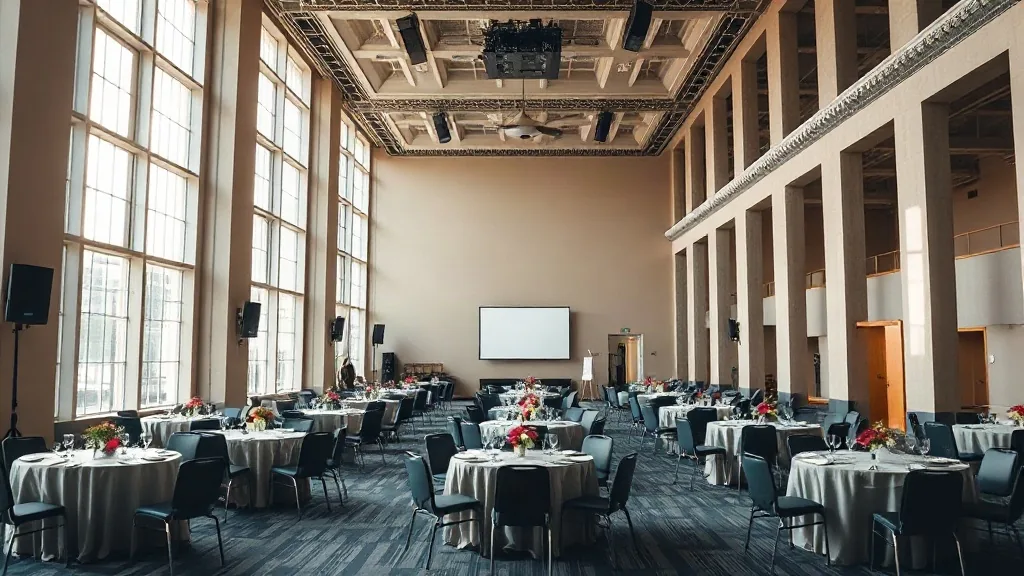
Confidentiality and space separation. Board retreats often involve discussions of compensation, strategy, and governance that shouldn’t be overheard. Can the group have a meeting room that is physically separated from other hotel guests or club members? At a country club, is the event room adjacent to the main dining room where other members are eating? That’s a confidentiality concern.
AV adequacy for the work sessions. Board retreats require a screen and a clean way to share board materials. Most country clubs and historic properties have minimal AV infrastructure. The question is not whether the room is beautiful; the question is whether a presentation of the board deck, a financial discussion, and a breakout session can all happen with adequate display technology. Ask the venue what’s in-house and what would need to be rented.
COI and liability requirements. Request the venue’s standard COI requirements for corporate events. If the venue’s in-house contract required $3 million in general liability and $1 million in umbrella coverage, that’s a material commitment that wasn’t reviewed by legal. Your company’s broker can produce the COI; the question is whether the terms are acceptable to your risk team.
Catering quality and exclusivity. Is the venue’s catering in-house? If it’s a country club with a culinary team, quality is usually reliable. If it’s a historic property with a preferred caterer list, you need to evaluate the caterers and confirm they can produce the type of meal that fits the board dinner level.
Step 3: Take over the booking without damaging the relationship
The board member who booked the venue did so out of enthusiasm and a genuine desire to help. The transition back to professional management should not read as a rebuke.
The chief of staff or CEO should send a brief note (not the planner): “We want to make sure the logistics and contracting are handled through our standard process. [Name] from our operations team will reach out to coordinate the details. Thank you for securing this property; it looks like a great fit.”
You then contact the venue and introduce yourself as the primary point of contact for all logistics. Request a copy of any correspondence or commitments made during the initial reservation. Confirm that future communications go through you, not through the board member.
If the venue relationship is through the board member’s personal membership, you may need to work alongside that relationship rather than fully replacing it. That’s fine. The operational decisions (room setup, catering brief, COI, run of show) are yours to manage. The board member’s relationship with the GM is a relationship asset, not an operations function.
Preventing it next time
A one-paragraph policy in the board chair’s annual communication solves this: “All venue reservations for board activities must be coordinated through [Name] to ensure proper contracting and insurance review. Board members who identify potential venues are encouraged to share recommendations; reservations should not be made independently.”

Most boards will accept this language without objection. The board member who booked the retreat usually didn’t realize the downstream complexity. They were trying to help.
The secondary risk: what the venue thinks the event is
When a board member books a venue personally, the venue forms a relationship with them, not with the organization. The venue’s event coordinator understands the booking as a personal arrangement between their GM and the board member. That framing shapes how the venue services the event: they’ll call the board member with questions, not the chief of staff. They’ll accommodate requests from the board member that weren’t in the BEO. They’ll direct logistics decisions to the wrong person on event day.
The fix: schedule an explicit handoff call with the venue’s event coordinator. Introduce yourself, confirm that you are the operational point of contact for all logistics, and ask the venue to update their internal notes so that you’re the primary contact in their system. Confirm the board member’s role explicitly: “She identified this venue and we’re delighted to use it. All event logistics will be coordinated through our office.”
That call takes 15 minutes and resets the operational relationship before it causes problems on the day. For country clubs or historic mansion properties where the venue relationship is personal and social, this is the step that separates a smoothly run retreat from a day of competing instructions.
What’s the venue type and approximate board size? I can walk through the specific evaluation criteria and the questions to ask the venue’s event coordinator.


