
The Chief of Staff Running a Board Dinner: the 7 Details That Sink It
Chiefs of staff run board dinners as a side task, usually with no event training and no briefing on the specific hierarchy protocols boards expect. These 7 failures are preventable in the first planning week if you know to look for them.

A board dinner is not a leadership team dinner. The room reads differently, the expectations are different, and the specific ways it can go wrong are not the same. Chiefs of staff who handle board dinners for the first time usually find this out during the event, which is the worst possible time.
Here are the seven details that sink board dinners run by people with no event background. Fix them in week one.
1. The seating chart is not optional
Every board dinner needs a seating chart. Not because boards are formal (some are not), but because board members have relationships, history, and hierarchy that the chief of staff may only partially understand. Without a chart, two board members who are in disagreement over a governance matter will end up next to each other, or the newest member will sit next to the most dominant voice in the room when they needed space from each other.
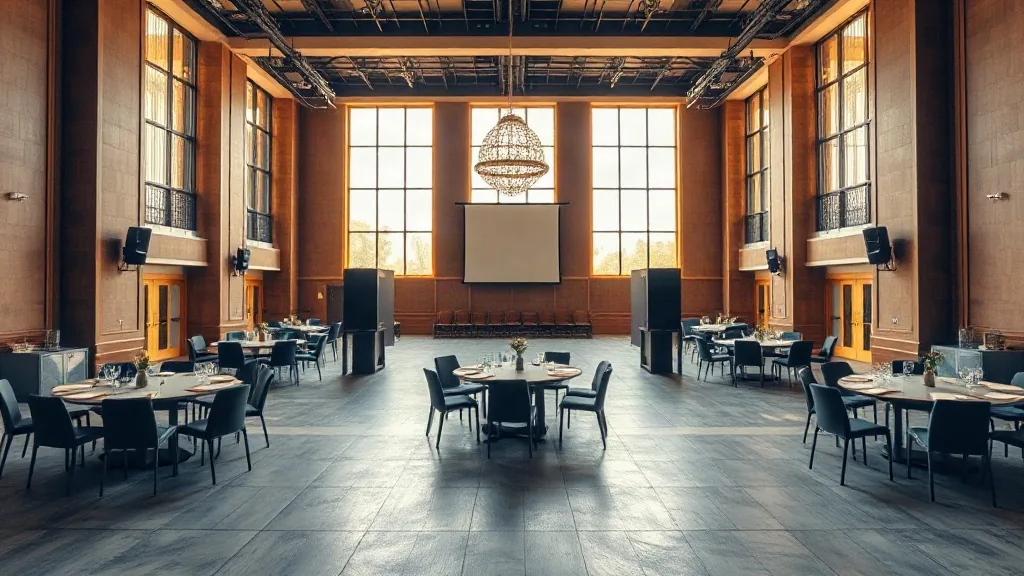
Send a draft seating chart to the Chair and to the CEO’s EA, separately, at least five days before the dinner. Ask for corrections. You will get them. Apply them without asking why.
Standard practice: Chair seats at the center of one long side, opposite the CEO. Independent directors flank the Chair, then independent directors by tenure. Management guests (CFO, GC, etc.) at the ends. If it’s a round table, the Chair and CEO opposite each other with the lead independent director adjacent to the Chair.
2. Dietary restrictions require individual collection, not a group survey
A standard pre-event dietary survey with five checkbox options misses everything that board members won’t put in a group form. Board members are often 60-75 years old, managing conditions they don’t disclose in company systems, with dietary requirements they assume will simply be handled. “No shellfish” is in the email they sent three months ago to somebody. It’s not in your folder.
Collect dietary restrictions via individual outreach from the CEO’s office or the Chair’s office. Use a sentence: “For the board dinner on [date], we want to make sure we have everything right for you. Do you have any dietary restrictions or preferences we should share with the kitchen?” You will get more honest answers. You will catch the restriction that was never formally noted.
Share the full list with the venue’s catering manager at least one week before, and confirm on-site the morning of the event.
3. The private dining room needs a sound check
Board dinners most often happen in private dining rooms at restaurants or in the private rooms of a country club. Both venue types often have a general session component after dinner, usually a brief CEO remarks, strategic discussion, or guest presentation. That requires a microphone and a screen.
Most private dining rooms at restaurants don’t own AV equipment. Their “yes, we can accommodate a presentation” often means a TV on a stand in the corner, no microphone, and no HDMI connection that matches your presenter’s laptop. Visit the room in advance. Confirm what AV exists. Confirm what you’d need to rent and from whom.
For 12-20 people in a private dining room, a wireless lapel mic and a 65-inch display on a stand is usually enough. Budget $400-$900 to rent those if the venue doesn’t supply them.
4. The arrival sequence is part of the event
Board members don’t arrive as a group. They arrive as individuals, often within a 30-minute window before dinner, sometimes from flights, sometimes from other meetings. If nobody meets them at the door and directs them to the right room, they will walk into the wrong space, wait in a lobby, or call the CEO’s cell phone.
Assign a person to the entrance for the 45-minute arrival window. That person knows every board member by name and by face. They direct each arrival to the reception area, introduce them to anyone they haven’t met, and alert the chief of staff when the quorum for dinner is present.
If the venue is inside a larger hotel or historic mansion property, the entrance instructions in the invitation need to include the exact door, the floor, and a contact number. “Use the lobby entrance on Fifth, take the elevator to the third floor, turn left, and call Maria at [number] if anything is unclear” is the level of specificity boards need.
5. The waiter-to-guest ratio at board dinners is different
A board dinner with 14 guests served by two waiters will produce visible service gaps. Board members expect efficient, unobtrusive service: plates cleared in unison, glasses refilled before they’re empty, courses arriving without long waits. A restaurant that typically runs a 1:10 staffing ratio for private dining will need to be explicitly asked to staff at 1:5 or 1:4 for this event.
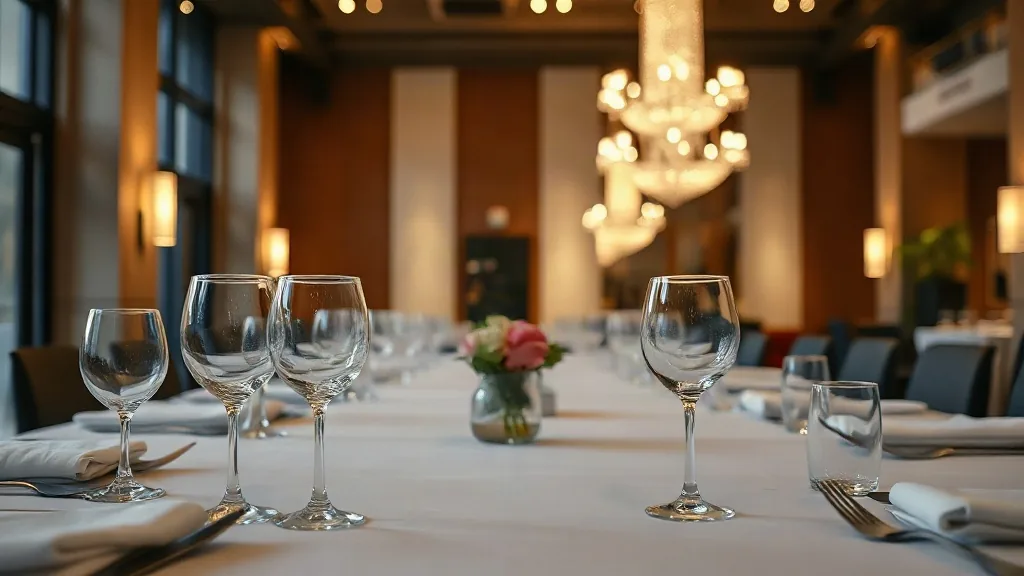
Ask the venue: “What is your standard staffing for private dining at 14 guests? For this event, we need plates cleared simultaneously across the table. Can you bring an additional server?” The answer is almost always yes. The cost is modest, usually $150-$250 for an additional server for three hours.
6. The post-dinner working session needs its own space
Many board dinners transition from dinner to a working discussion. That transition fails when the group stays at the dinner table with wine glasses in the way, crumbs on the table, and an acoustics setup designed for a restaurant, not a meeting.
If the agenda includes a 30-60 minute discussion after dinner, plan for the group to move. This can be a different room in the same venue, a lounge area adjacent to the dining room, or a seating arrangement reset while the group takes a 10-minute break. The reset signals that the work portion has begun. It also gives you a moment to clear the table, set up any materials, and make sure anyone who needed to step out has returned.
7. The end time is a commitment
Board members have plans after the dinner. They have flights, hotel check-ins, and personal commitments. If the dinner invitation says 7:00pm to 9:30pm, the event should conclude by 9:30pm. Not 10:00pm because the CEO wanted another 30 minutes of discussion.
Set a hard stop protocol with the CEO in advance. The chief of staff gives a visible signal at T-minus 15 minutes: a note to the CEO, a card on the table, whatever the CEO prefers. The CEO closes the discussion. The evening ends on time.
Board members who leave on time leave satisfied. Board members who leave 45 minutes late leave remembering that the evening ran over, regardless of the content quality.
What’s your board size and venue type? Share those and I can help you identify the right format and the right questions to ask the venue before you confirm.


