
The 'Every-Other-Year Location Swap' Is Overrated — Pick Two and Rotate
Rotating your annual offsite to a new city every year costs 20–35% more, produces worse logistics, and delivers novelty that fades within 48 hours. The two-location annual rotation is the system that actually serves your team.

I work with a lot of membership associations and policy organizations that run annual summits. These are events with recurring attendees — the same 200-400 policy professionals, advocates, and government officials who show up every year. And among these organizations, there’s a persistent belief that the location should rotate: a different city every year, ideally one that feels like a reward, an incentive for attendance, a signal that the organization is forward-looking.
I’ve watched this belief cost my clients a meaningful amount of money and produce worse events while producing the appearance of organizational dynamism. Let me tell you what I’ve actually observed.
The novelty math
Here is what happens when an organization moves their annual summit to a new city each year.
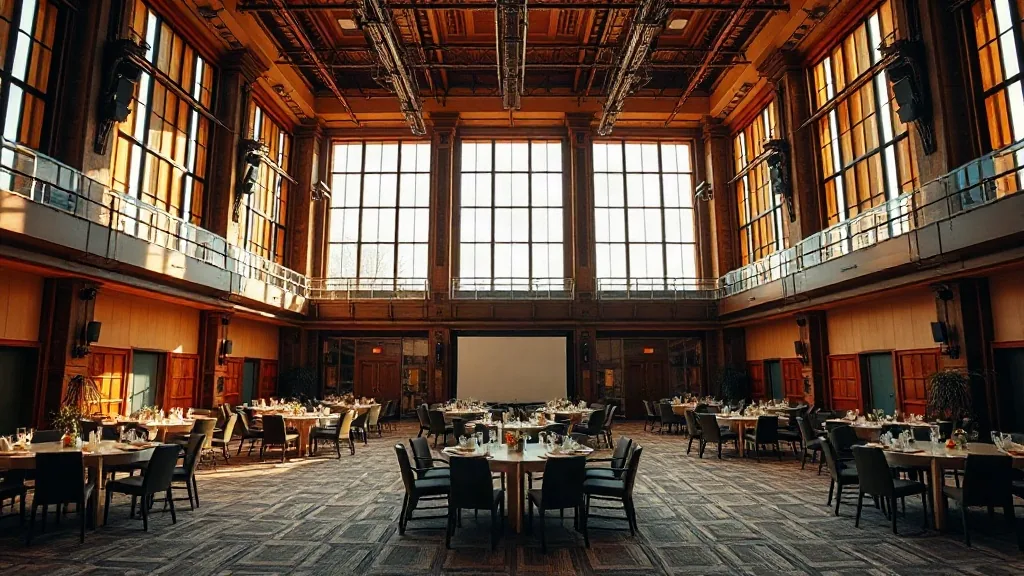
Year 1 in City A: The organization builds vendor relationships from scratch. Learns which hotels have the right meeting space, which catering teams can handle dietary restrictions at 300-person scale, which local AV vendors understand association events, which transportation providers are reliable for airport shuttles. This learning takes 8-14 months of planning effort and 3-6 calls with vendors who eventually become trusted. The event happens. The venue is new and exciting to attendees who have never been. It costs approximately 20-30% more than it would cost if the organization had run this event here before, because they’re not getting repeat-client pricing, they’re not using proven vendors, and they’re absorbing the cost of not knowing what they don’t know.
Year 2 in City B: Start over.
Year 3 in City C: Start over.
By Year 4 in City D, the organization has built deep expertise in four cities and no expertise in any of them. They’ve left repeat-client pricing on the table in three cities. They’ve rebuilt vendor relationships from scratch three times. They’ve absorbed the cost of learning mistakes three times. And they’ve delivered four different “new city” experiences to an attendee base that found the novelty exciting for approximately the first afternoon of each event and then got back to the business of the conference.
What the novelty actually delivers
The argument for annual rotation is that a new city is exciting and drives attendance. Let me examine this.
For national or regional organizations with members distributed across geography, the location does affect attendance — but primarily for the members who are geographically close to the host city. A policy summit in Chicago draws more Midwest attendees than the same summit in Miami. A summit in DC draws more East Coast government-adjacent participants. This is real.
But the novelty effect — the “I want to go to Denver this year” factor — is weaker and shorter-lived than organizations believe. Your attendees are professional adults who travel for work. They have been to Denver. The conference hotel in Denver is not meaningfully more exciting to them than the conference hotel they’ve attended in the previous three cities. What is exciting is the programming, the speakers, the people they’ll see, the conversations they’ll have.
The location is background. The content is foreground. Rotating the background at significant cost and logistical complexity to compensate for underwhelming foreground is the wrong investment.
The two-location rotation
Here is the alternative I now recommend to every client who has the attendance distribution to support it: pick two cities that serve the geographic spread of your membership, and alternate between them on a strict annual schedule.
For a national association with members concentrated on the East Coast and Midwest, the two-location rotation might be: Washington DC and Chicago. You run DC years and Chicago years. Every attendee knows years in advance which city you’re in. Every year you’re working with vendors you already know, at a venue that already knows you, at repeat-client pricing that reflects a multi-year relationship.
The operational benefits are significant:
Repeat-client pricing. Hotels will negotiate significantly better rates for multi-year commitments than for one-off bookings. I’ve seen clients save 12-22% on room blocks and F&B minimums simply by committing to a two-year return. At 300 attendees and a $400/night room block, a 15% discount is $18,000 in savings per year.
Known vendor relationships. The AV company that ran your DC event last year knows your run-of-show format, knows your general session configuration, knows your hybrid setup requirements. You’re not re-explaining. You’re iterating. The catering team that handled your 300-person dinner knows your dietary restriction distribution, knows your service format preference, knows the timing quirks of your general session program. This knowledge is worth money and time that you’re currently spending reacquiring it every year.
Operational predictability. Your team knows the hotel. They know where the business center is, how the loading dock works, what the parking situation looks like for early arrivals, how long the elevator situation takes at peak check-in. This predictability reduces planning overhead and reduces day-of surprises.
Attendee familiarity. Your returning attendees know the hotel. They know where the bar is, how long it takes to walk between the meeting rooms, what the breakfast situation looks like. This familiarity is often experienced as comfort and ease rather than boredom. The attendees who come to your event every year are not looking for novelty — they’re looking for the annual gathering. The gathering is the point.
The objection about staleness
The counterargument I always hear: “If we go to the same two cities, it will feel stale. Attendance will drop because people feel like they’ve seen it before.”

I’ve watched the actual attendance data at organizations that switched to a two-location rotation and the attendance effect is either neutral or positive. Neutral because the location was never driving attendance — the programming was. Positive in some cases because attendees could plan two years ahead, which improves registration rates (people book travel earlier when they know where they’re going).
The “stale” feeling is something planners imagine on behalf of attendees who have not actually expressed it. When I’ve surveyed association event attendees directly about location rotation, the most common response is: “I don’t strongly prefer either way — the conference is why I come.” The second most common response is: “I actually prefer knowing in advance.” The “I want a new city every year” response is a minority.
The staleness that does exist is not location staleness — it’s programming staleness. If your attendees feel like they’ve “seen it before,” it’s because the panels are covering the same topics with the same speakers they saw last year, not because the hotel lobby is familiar. Fix the programming. Keep the hotel.
The geographic equity argument for more than two
Some organizations genuinely need more geographic diversity in their event location to serve a membership that is truly national and where location meaningfully affects who can attend. In these cases, a three or four-location rotation — with strict commitment to each location for a multi-year period before adding or substituting — preserves the operational benefits of repetition while serving the geographic equity goal.
The rule I apply: any location in the rotation should appear at least two consecutive years before you rotate to the next. Year 1 in City A is learning. Year 2 in City A is applying what you learned. Year 3 in City B is learning again, but now you have the Year 2 template to work from. This is meaningfully better than Year 1 in City A, Year 2 in City B, Year 3 in City C, which is three consecutive learning years with no consolidation.
For DC-based policy organizations, conference centers in Washington DC that take multi-year conference commitments seriously are a different category from one-off booking venues. The best properties know how to structure a multi-year agreement and have staff continuity to support it. The DC corporate event venue directory is a starting point for identifying which properties are set up for this relationship.
The companion question — which city should be the second city — is usually answered by your attendee zip code distribution. Pull the data, find the geographic centroid of your non-host-city members, and the answer is usually clear.
Worth reading before you make the location decision: the book-a-venue-after-sleeping-in-the-hotel post is directly relevant if you’re considering a venue you haven’t used before, and the pre-event survey post has the two-question format for actually asking your members what they want — which is almost always different from what the planning committee assumes.
Send me the membership distribution data. I’ll tell you which two cities to pick.


