
The Event That Ended 30 Minutes Early and It Was the Best Review I Ever Got
Every planner is trained to fill the schedule. The job is producing content until the room empties at the contracted time. I ended a full-day policy conference 30 minutes before the scheduled close and received the highest attendee satisfaction score I'd seen in four years of running it. Here are the three signals I read, why I made the call, and what the feedback actually said.

The event was a full-day policy conference for a 140-person association. We’d run the same format for four years: 8:30am registration, 9am opening session, three substantive panels through the afternoon, a closing keynote at 4pm, and a networking reception at 5pm. The venue was a DC conference facility with a contracted close of 7pm for the reception.
At 3:45pm, the third panel ended. I was standing in the back of the room, watching 140 people who had been sitting in the same space since 9am.
They were done. Not bored, exactly. Satisfied. The afternoon panel had gone well. The conversation had reached a natural conclusion. The room had the specific quality of energy that follows a productive session where everything that needed to be said had been said. You can feel this in a room. It’s the absence of that low-grade restlessness that precedes good content.
The keynote was scheduled to start at 4pm. The speaker was in the building. The AV team was ready. I had 15 minutes to decide.
I ended the conference early.
The three signals I read
The first signal was physical. When I scanned the room during the panel’s closing comments, roughly 80 of the 140 people were in an upright-or-leaning-forward posture. That’s the attention posture. But I also saw a number of people who had shifted into a more settled, completed position: arms crossed or hands folded, the posture of someone who’s finished rather than someone who’s engaged. It was visible enough that I couldn’t un-see it once I’d noticed it.
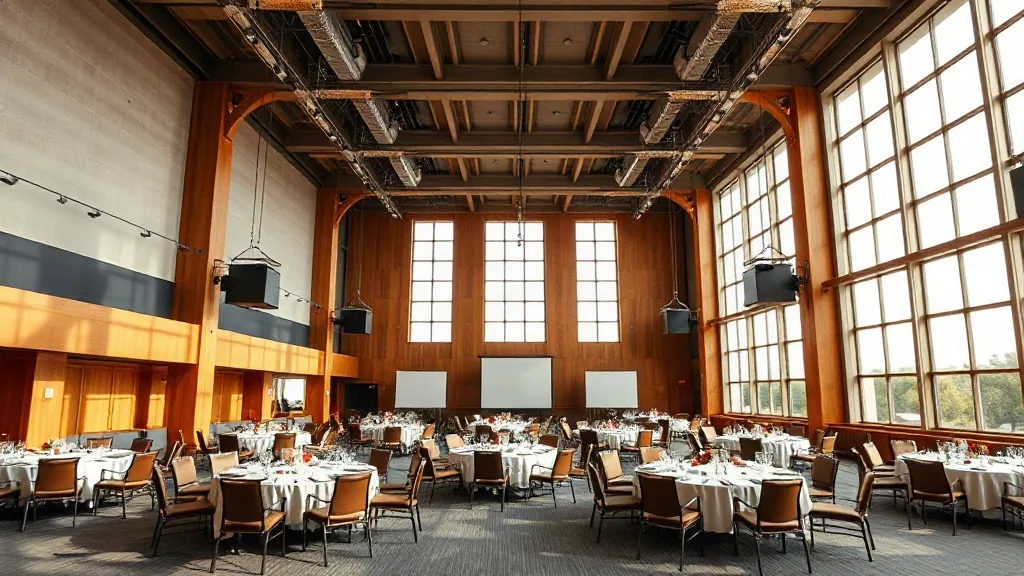
The second signal was conversational. The panel had ended with an unusually productive open exchange. Four different audience members had made substantive points that changed the room’s framing on the main policy question. The discussion had moved. When content actually moves a room’s thinking, continuing to program is often redundant. You’re adding content into a space that already has what it came for.
The third signal was practical. The keynote speaker’s topic was meant to be a synthesis of the day’s themes. The panel had just done that synthesis. The audience had participated in building it. A keynote that retraced the same ground, even with different language, would have felt like a recap.
What I told the room
I walked to the front at 3:52pm and said that we’d accomplished in one day what the agenda set out to accomplish. I thanked the speakers, told people the reception was open and would run until 6:30pm, and that anyone who needed to leave for travel had my full understanding. I said the conversation that started today would continue in the working groups over the next quarter.
About 40 people left within 15 minutes. The other 100 stayed for the reception, many longer than they typically did. The venue’s bar bill was higher than usual. That’s a reliable proxy for engagement: people who feel good about their day drink socially, not consolingly.
What the feedback said
We collected post-event surveys the following morning by email, same format we’ve used for four years. Response rate was 74%, higher than our 2022 average of 58%.
The satisfaction score was 4.6 out of 5. Our previous high was 4.1, in 2021. The comment that appeared more than any other variation was something along the lines of “the conference felt well-paced and respected everyone’s time.” No attendee mentioned the early close negatively. Two specifically said the day felt tightly edited and that nothing felt like filler.
That last word matters. Filler. Attendees know when they’re experiencing content that exists to fill time rather than deliver value. They’re polite about it in the room. In anonymous surveys, they say what they actually think.
The argument against programming to the clock
Every event contract contains a timeline. The venue is paid to hold the space until a specified hour. The speakers are scheduled. The AV team is staffed. The planner’s instinct is to use the time that was purchased.
But the attendee isn’t there for the time. The attendee is there for the content, the relationships, and the value they can bring back to their work. When those needs are met, the clock becomes irrelevant. Continuing to program after the room’s needs are met serves the planner’s need for completion, not the attendee’s.
This applies differently by event type. A sales kickoff with a recognition dinner and a party has a clear reason to run the full schedule; the social programming has distinct value. A training event where every session delivers skills has strong reasons to maximize time. But a conference built around ideas and policy discussion, where the goal is movement on a shared question, should end when the movement has happened.
Theater and performing arts venues are actually the worst format for this because the raked seating and stage format condition everyone to expect a full program. The room’s architecture creates a social contract with the audience. I’ve found conference centers easier to read and easier to redirect because the flexible layout doesn’t carry the same expectation.
At DC historic mansion venues, where I’ve run smaller board-level meetings, the early close reads as sophistication rather than failure. Boards that end on time, or early, are boards that made decisions efficiently.
The one thing I’d change
I didn’t tell the speaker early enough. I spoke with him about 8 minutes before I went to the front of the room, which was not enough time for him to process the change without some understandable frustration. He had prepared for 45 minutes and gave a gracious response, but 8 minutes isn’t fair to a speaker who’s been holding their concentration all day.
If you’re considering this kind of call at your next event, identify the moment 30-45 minutes before the end of scheduled programming when you might make the decision. If you see the signals, start your communication with the speaker then, not 8 minutes before you address the room.
When you’re planning your next full-day conference, send me the format and headcount. I can tell you where the natural decision point for an early close usually sits in a day like yours.


