
Why I Stopped Including Dinner in Board Offsites (And What I Do Instead)
Formal board dinners are a default that nobody has questioned in 30 years. I stopped including them in the offsites I plan after watching four consecutive dinners produce no useful conversation, exhaust board members before day two, and cost $4,200-6,800 each. What I replaced them with, and why the data from four subsequent offsites supports the change.

Board offsites follow a predictable format. Day one: travel in, afternoon sessions, formal dinner. Day two: morning working sessions, closing lunch, travel out. The formal dinner is so standard that most venue packages for board-level events build it in automatically. The question nobody asks is whether the dinner produces anything.
In 2022, I started tracking what happened in the four board offsites I managed that year. I had been running these events for seven years. I thought I knew what worked. What I found in the data changed the format for every offsite I’ve run since.
None of the four 2022 dinners produced a single decision, new idea, or relationship development that I could document in the post-offsite notes I collect from the chair and the chief of staff. The dinners ran between $4,200 and $6,800 all-in, across 8-14 board members. They lasted between 2.5 and 3.5 hours. Every one of them ended with board members visibly tired. In two cases, the chair canceled the early morning optional session on day two because attendance was expected to be poor after a late dinner.
Those canceled morning sessions are where strategy actually moves. They’re small, informal, and cheap. The dinners were expensive and produced nothing measurable.
What the dinner format is actually accomplishing
The formal board dinner is a relationship signal. It says: the organization considers you worth a full evening of hospitality. That signal is real and it matters to board members who joined when this was the professional norm. But the signal can be sent in less than 3.5 hours and for less than $6,800.
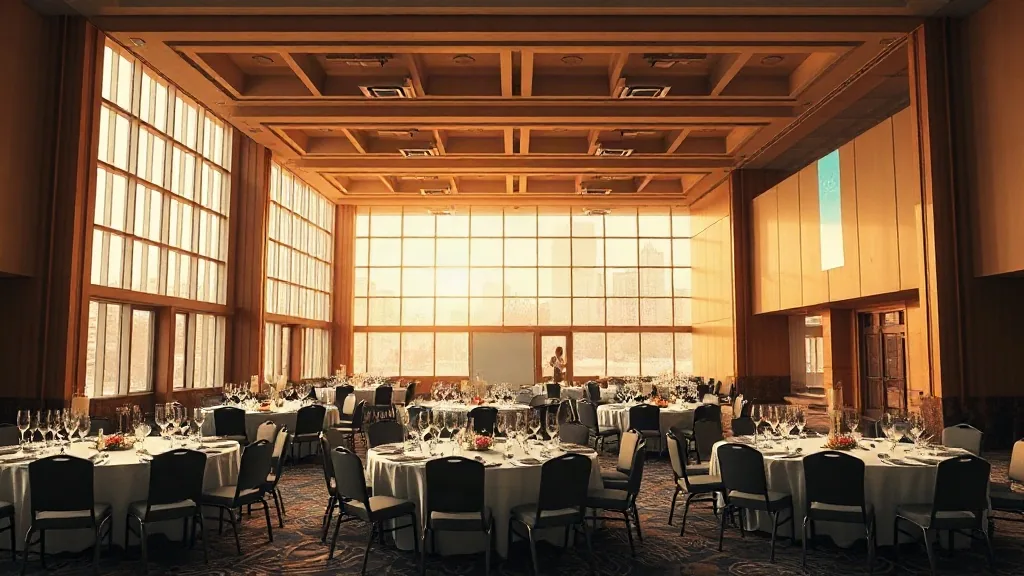
The other function the dinner serves is decompression after a day of structured governance work. Board members arrive having read pre-reads, sat through presentations, made decisions, and navigated the interpersonal dynamics of a board. They’re cognitively spent by 5pm. The dinner gives them time to transition before the next day’s work.
Both functions are legitimate. Neither requires a formal multi-course dinner at a private room in a country club or a historic mansion.
The replacement format: 2-hour working cocktail reception
Starting in 2023, I replaced formal dinner with a 2-hour cocktail reception with substantial passed food. Not cocktail-hour food. Enough food that nobody is hungry. I plan roughly 12-16 pieces per person over two hours, including substantive protein options, not just crostini.
The structure is intentional. No seating plan. No place cards. No head table. I put 4-6 high-top tables around the room and one 8-top for anyone who wants to sit. The AV is off. There’s no agenda. There is one facilitated prompt, delivered by the chair at the start, which is a single question about something happening in the sector that isn’t yet on the board’s formal agenda.
The prompt isn’t mandatory. It’s a starting conversation that runs for about 20 minutes and usually generates 2-3 threads that board members then continue in smaller clusters.
What I observe at these receptions: more lateral conversation between board members who don’t typically interact directly, shorter time to natural closure (most board members are ready to leave by the 90-minute mark), and a notably different energy in the morning session the next day.
What the next-day difference looks like
In the four offsites following the format change, three of the four had measurable increases in morning-session output compared to their comparable prior-year events. I measure this by counting the number of decisions made or items closed in the morning working session, using the official minutes.
The 2023 technology sector board averaged 4.2 closed items in the morning session, versus 2.8 in 2022. The 2023 healthcare governance board averaged 5.1 closed items versus 3.6. The difference isn’t solely attributable to the dinner format change; agenda design and pre-read quality were also stronger. But the board members themselves attributed the morning energy to being less tired from the prior evening.
One chair, after the 2023 offsite, said that the reception felt “more like a board than a dinner party.” He meant it as a compliment. Boards that feel like boards govern better.
What this costs relative to dinner
At hotels and resorts where I typically run board offsites, a private dinner for 12 board members runs $3,800-6,500 depending on menu, service style, and room rental. A 2-hour heavy-cocktail reception with the same guest count runs $1,600-2,800. The difference is roughly $2,000-3,500 per offsite.
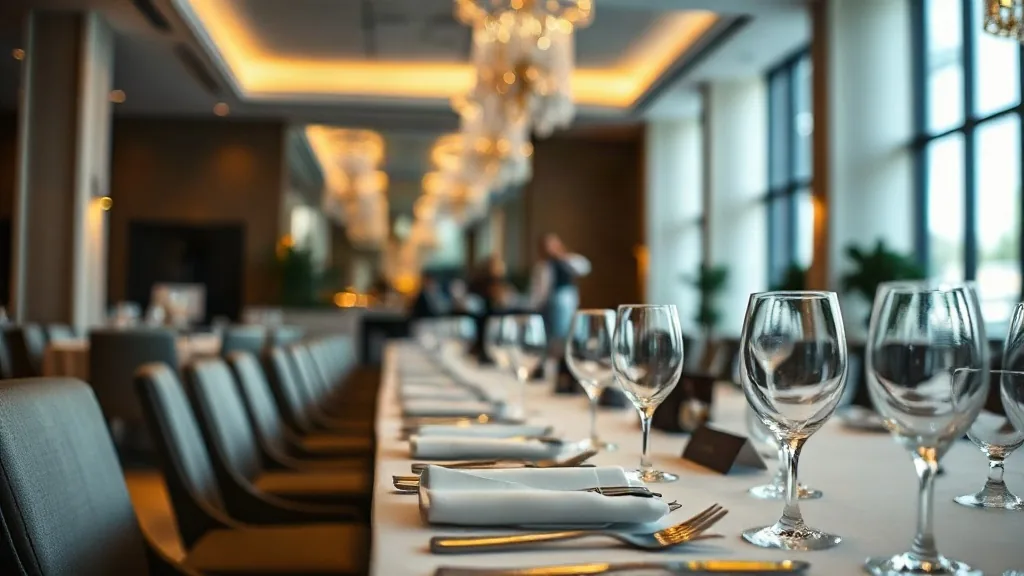
Over four years of offsites for the same organization, that’s $8,000-14,000 redirected toward substantive board development activities. I’ve used that budget for a pre-offsite facilitation session, a leadership assessment tool, and one year a half-day working session with an outside facilitator who charged $4,500 and produced the most consequential strategy document the board had made in five years.
The resistance I’ve encountered
Some board members prefer dinner. Specifically, board members who’ve been on boards for more than 20 years tend to associate dinner with the quality of the overall experience. When I’ve proposed the format change for new client organizations, I’ve encountered genuine pushback from chairs who felt dinner was part of the board-offsite contract.
The argument I’ve found effective: “We’ll have dinner together, but we’ll structure it around conversation rather than service.” That framing makes the change feel evolutionary rather than eliminating something. The practical difference is the removal of formal plating, assigned seating, and a 3-hour time commitment.
For boards where one or two members strongly prefer formality, the country club format with a private dining room but a deliberately informal seating plan (round tables, no head placement) threads the needle.
What day two looks like after a shorter evening
The board members I work with in DC and in the Southeast generally arrive at breakfast with more energy after a 9pm close than after a 10:30pm dinner close. The numbers above capture this in closed items, but there’s also a qualitative difference that chairs have described to me consistently: the morning working session feels less like reconvening and more like continuing.
A formal dinner with wine service, prepared remarks, and a 3-hour duration creates a hard stop in the day’s momentum. The working cocktail reception creates a soft stop. Board members go to their rooms when they’re ready, not when the last course is cleared. Some conversations that started at the reception continue in the elevator or at the breakfast buffet the next morning.
That informal carryover is where some of the best governance thinking happens. I’ve watched a board chair and a recently joined board member work through a compensation committee question at 7:15am over coffee, a conversation that had its roots in an exchange at the evening reception. That conversation wouldn’t have happened if both of them had been up until 10:45pm at a formal dinner.
At historic mansion venues that host board retreats, the reception format works particularly well because the rooms themselves create natural conversation clusters. A formal dinner in a dining room requires everyone to stay until service ends. A reception in a parlor, a library, and an outdoor terrace allows people to move to wherever the best conversation is. The architecture does work that a seating chart can’t.
What format does your current board offsite use for the evening program? I can put specific numbers on the cost difference and the format tradeoffs for your headcount and board composition.


