
Wildfire-smoke contingency planning for outdoor events
An AQI of 168 on the morning of a garden reception turned a clear-weather forecast into an indoor scramble. Smoke is the outdoor risk no contract addresses. Here is the trigger threshold, the backup plan, and the clause to write for it.
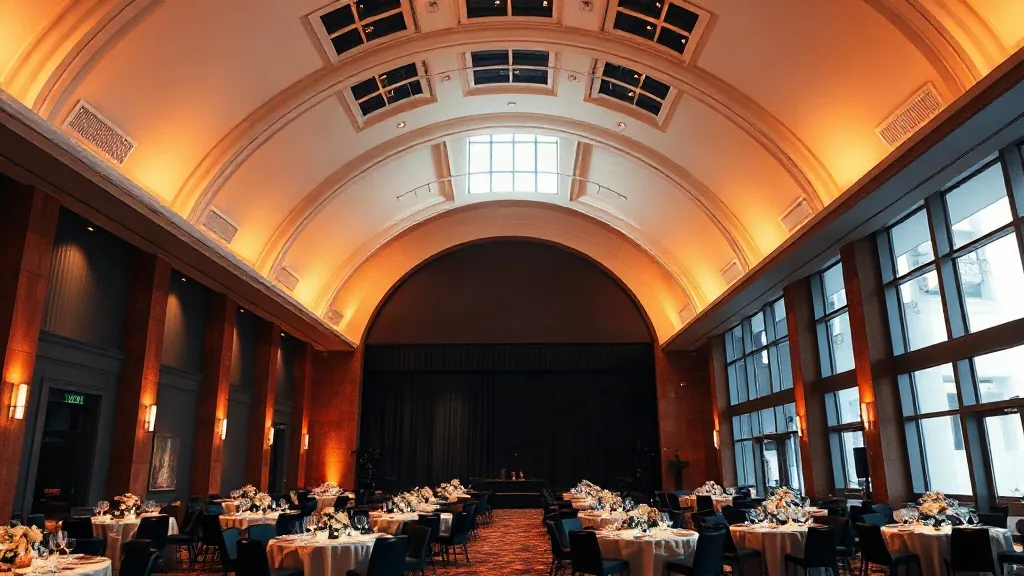
The forecast said clear and 74 degrees. The air quality index that morning said 168, orange going red, and the sky over the garden reception was the color of weak tea. A fire 90 miles away had shifted the wind overnight. We had 140 people arriving at 6 p.m. for an association donor reception in an open courtyard, and by noon I was moving the whole thing indoors because I would not put older guests and anyone with asthma under a smoke plume for three hours. We had an indoor room on hold. That hold is the only reason the evening happened.
Smoke is the weather risk almost no contract addresses. Rain has a clause. Heat has a clause. Wildfire smoke rolls in from a fire you can’t see, on a day the forecast calls clear, and most planners have no trigger, no threshold, and no backup because it never occurred to them to plan for air. If you run outdoor events anywhere in the West, the Mountain states, or increasingly the upper Midwest and East during a bad smoke year, this belongs in your planning.
Why smoke is different from rain
Rain is visible, forecast days out, and localized. You watch the radar and you know. Smoke is none of those things. It originates from a fire that may be hundreds of miles away, it arrives on wind shifts that turn overnight, and the daily weather forecast, sun and temperature, can be perfect while the air is hazardous. The mismatch is the danger. Your team sees a clear forecast, relaxes, and gets surprised at 10 a.m. by an AQI that makes an outdoor event a health liability.
The other difference is who it hurts. Rain is an inconvenience. Smoke at an AQI above 150 is a genuine health risk for older attendees, anyone with respiratory conditions, and staff working outdoors for hours. For association and convening work, where the room often skews older, I treat smoke as a safety decision, not a comfort decision.
The trigger threshold you set in advance
The mistake is deciding on the day, by feel, whether the air is “too bad.” Set a number in advance, write it down, and share it with the client before the event so nobody argues in the moment.
I use the AQI. My standing rule for a seated outdoor event with a general audience: at an AQI of 150 or above for the event location, forecast or measured, we move indoors. Between 100 and 150 I make a judgment call based on the audience and shorten outdoor exposure. Above 150 it is automatic. The number takes the emotion out of it. When the client asks at noon whether we’re really moving a clear-sky event inside, I point at the 168 and the rule we agreed on in the planning meeting, and there is no debate.
Pick your threshold based on your audience. A young, healthy crowd for a two-hour reception might hold at 150. A donor event with guests in their seventies moves earlier. Write the number into your run-of-show as a go/no-go trigger with a decision time, usually the morning of.
The backup plan is a held room, not a hope
A trigger with no backup is just a way to know you’re in trouble. The contingency that saved my reception was an indoor room on hold at the same venue, contracted, not hoped for. When I book any outdoor corporate event now, I book the indoor fallback in the same contract, at the same property, so moving inside is a room change and a furniture reset, not a new venue on two hours’ notice.
The same logic runs through all weather contingency planning for outdoor events. The difference with smoke is that a tent doesn’t help you. A tent keeps rain off. It does nothing about air quality, because smoke moves through open sides. So the smoke backup has to be an enclosed, air-conditioned indoor space with filtration, not a tent. That is the detail planners miss when they treat smoke like rain.
The clause to write
Standard weather clauses reference “inclement weather” and stop there, which a venue can argue doesn’t cover a clear-sky smoke day. I make it explicit. My outdoor contracts now include air quality by name: “In the event the Air Quality Index for the venue location reaches or exceeds 150 as reported by the governing environmental authority, Client may relocate the event to the contracted indoor backup space at no additional rental charge.” That sentence does two things. It names the trigger so there’s no argument about whether smoke counts, and it prices the indoor move at zero so the venue doesn’t charge a second rental for the room you’re forced into.
I also add the smoke trigger to any force-majeure or cancellation language, so if there is no viable indoor space and the event must cancel, smoke above the threshold is a named cause and the deposit is handled, not forfeited by default.
Where you book changes the risk
A winery or vineyard venue in fire country is one of the highest-exposure bookings you can make in late summer, because the whole appeal is the outdoor setting and the region is often the fire region. I love these venues and I book them with eyes open: indoor backup confirmed, filtration checked, threshold set. A garden or outdoor venue in a smoke-exposed market gets the same treatment. When the event simply cannot move indoors, I look hard at an enclosed event venue instead and give up the open-air look, because a donor reception under a red-flag sky is not worth the health risk.
The morning-of protocol
- Check the AQI forecast the night before and again at your decision time, using the governing authority’s reading for the exact venue location, not the regional city number.
- Compare against your written threshold. No new judgment, just the number against the rule.
- If you’re over, execute the room move on the plan you already have. Notify guests early enough to reset expectations.
- Have masks available for staff working the transition outdoors, and for any guest who wants one.
The reception happened indoors, on time, because the room was contracted and the threshold was decided in advance. Everything hard about that day had been settled weeks earlier, in a planning meeting, when the sky was blue.
If you’re booking an outdoor event in a smoke-exposed region, tell me the location, the season, and your audience, and I’ll tell you the AQI threshold to set, the backup to contract, and the clause to write. What’s the venue and when are you holding it?


