
When 38 Vendors All Showed Up at the Same Loading Dock at 7am
The venue had given every vendor the same 7am call time, no stagger, one dock, one freight elevator. I found out at 6:52am when the first truck pulled up and three others were already waiting behind it.

The freight elevator held 4,000 pounds. The dock had two loading bays. There were 38 vendor teams scheduled to load in that morning, representing somewhere around 120 individual people, 14 trucks of varying sizes, and enough staging equipment to fill a small warehouse.
I found out at 6:52am that the venue had given every single vendor the same start time: 7:00am.
I had been brought onto this project as the technical production lead three weeks before the event — a large product launch for a consumer electronics company, 600-person seated audience, full broadcast production for a live stream. The client’s internal events team had managed the early planning stages including vendor coordination. They were competent people who had simply never run an event with this many concurrent technical vendors before. And they had sent every confirmation email with the same line: “Load-in begins at 7:00am at the freight entrance on [street].”
I had assumed — incorrectly — that the venue had its own load-in coordinator managing the schedule. The venue assumed — also incorrectly — that my client’s team was handling vendor sequencing. No one had made a schedule. And at 6:52am, with eight minutes until the 7:00 call, a 48-foot semi with the LED wall was already staged at the dock, and behind it were a box truck with the rigging team’s gear, a sprinter van for the florist, and a catering company’s first vehicle of four.
What a 7am load-in collision looks like
If you’ve never seen this happen, let me describe it. A loading dock is a finite physical system. You have a fixed number of bays, a fixed elevator or ramp capacity, and a finite number of people who can move equipment without getting in each other’s way. When 38 teams show up in the same thirty-minute window, you get: vehicles blocking each other in the service lane, people loading gear onto carts with no clear route to the elevator, teams that need the freight elevator for large items stalled behind teams running hand-trucks, and an air of rising tension that communicates itself immediately to crew who have been awake since 4am and want to get their equipment in and get to work.
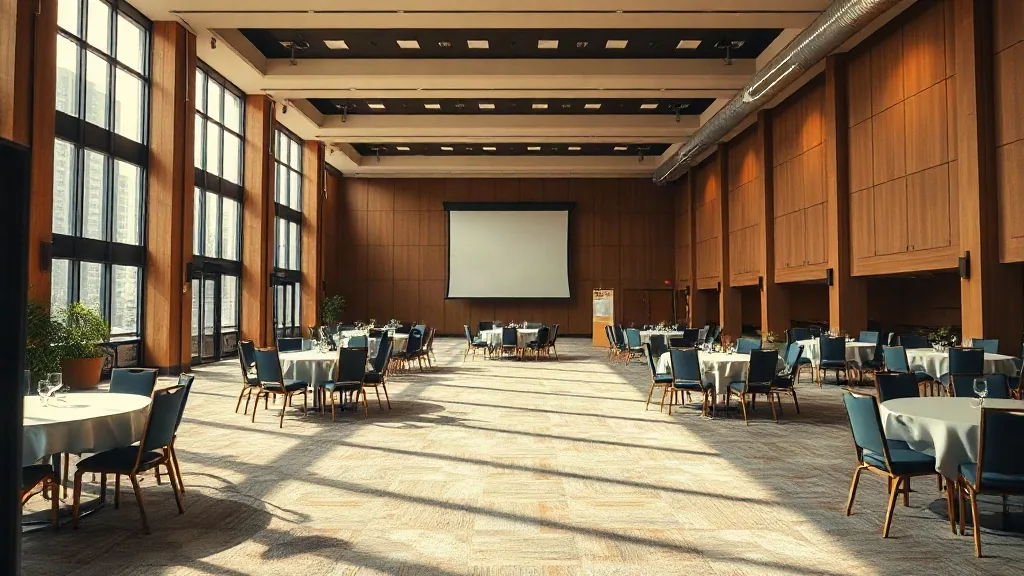
By 7:09am, we had three box trucks unable to pull up because the semi needed to stay at the bay for the LED wall’s 45-minute unload. The floral team was physically unloading onto the dock floor because they couldn’t get to the elevator. An AV subcontractor’s cart had developed a wheel issue and was blocking the inner service corridor. Someone had propped the freight elevator open on the second floor.
I pulled up a blank spreadsheet on my phone and started doing triage.
The immediate sort
The first thing I did was identify the critical path: what HAD to get in first in order for everything else to work? In production events, that’s almost always structural — rigging goes before lighting, lighting goes before audio, audio goes before everything else, staging goes before decor, decor goes before catering. The order is deterministic if you think it through.
The LED wall semi was at the dock and correctly first — I flagged it to stay. I found the rigging company’s lead, a guy named Darnell who I had worked with before and trusted, and told him his crew was going in second the moment the LED wall bay cleared. Then I walked the service lane and physically sequenced the waiting vehicles.
I will not pretend this was diplomatic. I told a florist truck they were going to be waiting until at least 9:30am, to please pull into the secondary parking structure and hold, and I gave the driver my cell number. I did the same with the linen company, two of the four catering trucks, and a specialty furniture rental. The trucks that were critical-path went first. Decor, florals, catering, and specialty rentals came in waves after the technical infrastructure.
I built a rough schedule in the spreadsheet in about twelve minutes, standing on the dock. Not a beautiful document. Legible to me. I sent photos of it to the venue’s dock manager and to my client’s events director.
The elevator problem
At 7:34am, the freight elevator stopped. Not broke — the motor was fine — but someone had transported a piece of equipment that was slightly too wide for the door sensor clearance and the door had been forced, triggering a safety hold. The building’s facilities team needed to be called. Their number was not posted in the loading dock area.
The dock manager — a contractor position, not a full facilities employee — did not have the facilities team’s emergency number memorized. He had a binder in the dock office. He found the binder. The number was handwritten on a sheet at the back of it.
The elevator was down for nineteen minutes. During those nineteen minutes, everything that had cleared the dock was staged in the service corridor at the base of the elevator shaft. The corridor is not designed for 38 vendor teams’ worth of equipment staged in it. It was a very full nineteen minutes.
When the elevator came back, we had four teams move simultaneously — the stairwell was accessible for lighter loads and I had two crew members running light-duty carts up four flights of stairs for the entire duration of the elevator hold. It added person-hours but kept the critical path moving.
What the room looked like at 11:00am versus what I needed it to look like
Our production window was 7am to 5pm. Doors at 6pm. Show at 7pm.

By 11:00am, I had: LED wall up, rigging done, lighting roughly in position, main audio system flying. I did not have: all the decor, the front-of-house furniture, any of the catering setup, or the specialty AV for the three breakout rooms.
By 3:00pm, I had everything I needed for the main room. The breakout rooms were behind by about ninety minutes.
We made it. Show ran at 7:04pm. Broadcast went out clean. The breakout sessions the following morning started on time because I kept the decor and catering teams working until 11:30pm the night before, which cost an overtime premium of $2,400 that I ate from the contingency budget and did not bill the client.
I mention the $2,400 not to be noble about it but because it’s the actual cost of a bad load-in plan. Contingency budget is frequently spent on overtime for problems that started at 7:00am on day one.
What I take from it
1. Never assume the venue is managing load-in sequencing. Ask explicitly: who is the load-in coordinator? What is the schedule? What is the stagger interval between vendor windows? If the answer is “we don’t have one,” you need to build one. I now include a load-in schedule as a deliverable in my production timeline for any event with more than 12 vendor teams.
2. Build the schedule backwards from the critical path. Rigging before lighting before audio before staging before decor before catering. Every production event has this order. Know it, build your dock sequence around it, enforce it at the bay.
3. The elevator is a single point of failure. For every multi-floor event, before load-in begins, I verify: the elevator’s weight capacity, the door clearance for the largest piece of equipment any vendor is bringing in, the facilities emergency contact number, and whether a stairwell is accessible as backup. Nineteen minutes is a recoverable elevator hold. Sixty minutes is not.
4. Have a dock-side decision matrix, not just a document. A PDF load-in schedule emailed to vendors the day before does not survive first contact with reality. The schedule needs someone physically at the dock reading it and directing traffic. That person’s only job for the first two hours is the dock. On this event, that person was me. On your next event, budget for it specifically.
5. Overtime is cheaper than a delayed show. $2,400 to get the breakout rooms done by midnight. If the breakout sessions had run late or incomplete the next morning, the client’s attendee experience would have been measurably damaged. Contingency budget exists for this. Use it.
I’ve since built a load-in coordination protocol that I use for every event over 20 vendor teams. It includes a sequenced schedule, a dock-capacity calculation based on elevator specs, and an emergency contacts sheet that lives in the dock manager’s hand on load-in morning. Available on request.
If you’re running a large product launch or conference with significant technical production and you want someone reviewing your load-in plan before you get to 6:52am — send me the vendor list and the venue’s dock specs. I’ll tell you where the collision points are.


