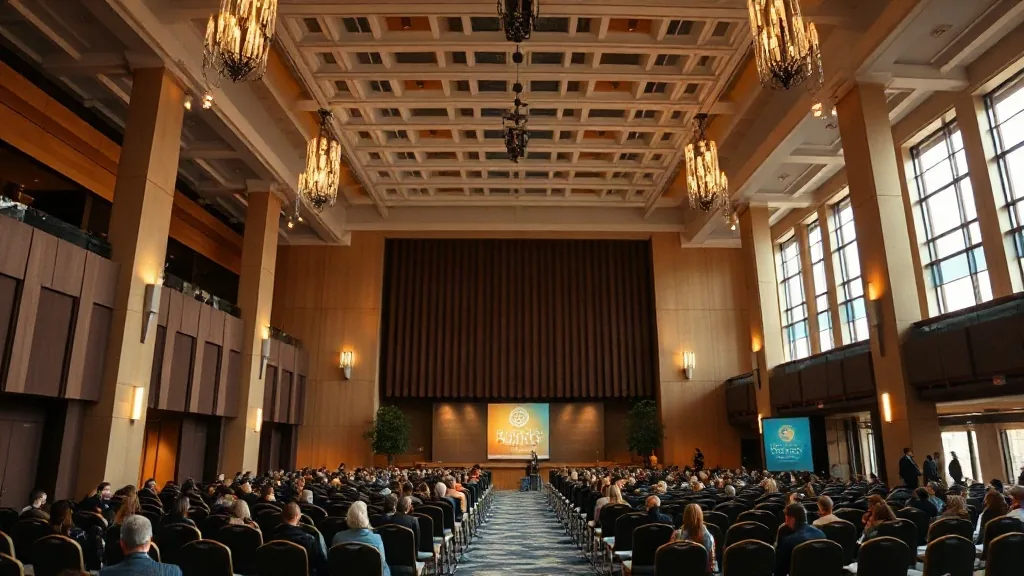
Atlanta vs Charlotte for a Financial Services Summit: the Southeast Banking Decision
Atlanta wins on airport connectivity and venue variety for groups over 200. Charlotte wins on walkability and banking-district density for senior-executive events under 150.

Both cities make a legitimate case for a financial services summit. I’ve run events in both. The answer depends almost entirely on headcount, the seniority of the attendee pool, and whether your summit has a social program that benefits from a walkable banking district.
Charlotte’s Core Advantage: Bank of America’s Backyard
Charlotte is home to the headquarters of Bank of America and the East Coast hub of Wells Fargo. The Uptown banking district has five Class A office buildings within walking distance of the Marriott City Center, the Kimpton Tryon Park, and the Westin Charlotte. A financial services summit where 40% of your attendees are executives from those two banks can be conducted entirely on foot within a four-block radius.

For a 100-150 person senior executive summit, that walkability changes the social program. Pre-dinner receptions at Charlotte’s Rooftop 210 or the Fahrenheit can be done without shuttle logistics. Morning runs along Little Sugar Creek Greenway are accessible from every downtown hotel. The city is small enough that the summit has a coherent geography.
Charlotte’s conference venue inventory at 100-150 people is fully adequate: the Marriott City Center’s conference floors, the Westin Charlotte’s meeting spaces, the Bank of America Stadium Club for evening events. These aren’t the largest venues, but they work for the format.
The limitation: above 200 attendees, Charlotte’s venue inventory starts to show its size. The convention center (Charlotte Convention Center) is available and adequate for 200-500, but it sits slightly outside the walkable banking district and requires shuttle service from most downtown hotels.
Atlanta’s Core Advantage: Airport and Scale
Hartsfield-Jackson Atlanta is the busiest airport in the world. For a national or regional financial services summit pulling attendees from New York, Chicago, Dallas, Miami, and Los Angeles, Atlanta has direct flights from every major US market. There is no comparable city in the Southeast for flight connectivity.
For a 200-400 person summit where 60% of attendees are flying in, Atlanta’s airport removes a logistics variable that Charlotte cannot. Charlotte Douglas has grown substantially, but it still requires connections from some major markets that Atlanta serves directly.
Atlanta’s venue inventory at 200-400 people is broader than Charlotte’s. The Atlanta Marriott Marquis, the Hyatt Regency Atlanta, the Westin Peachtree Plaza, and the Loews Atlanta all have ballroom capacity for 250-500 in theater or rounds. Midtown Atlanta’s boutique hotel and event venue market (the W Atlanta Midtown, the Four Seasons Midtown) provides premium options for smaller breakout functions.
The walkability limitation: Atlanta’s downtown hotel district and its Buckhead financial district are not walkable from each other. A summit centered in Midtown or Downtown Atlanta requires shuttle service for any event in Buckhead. Charlotte’s banking district coherence doesn’t exist in Atlanta.
Per-Head Hotel Cost Comparison
| City | Full-service downtown hotel rate (negotiated group) | 200 rooms, 2 nights |
|---|---|---|
| Charlotte Uptown | $219-$279/night | $87,600-$111,600 |
| Atlanta Midtown/Downtown | $239-$309/night | $95,600-$123,600 |
Atlanta runs $8,000-$12,000 more on room block for the same headcount. The difference is modest and is offset by the flight cost savings for attendees who would need a connection to reach Charlotte but fly direct to Atlanta.
Financial Services Summit Specific Considerations
Financial services summits often have a regulatory or compliance component that benefits from proximity to the Atlanta Fed (for Southeast regional financial policy discussions) or the Charlotte Fed. Atlanta’s Federal Reserve branch is at 1000 Peachtree Street NE, about 2 miles from the Midtown hotel cluster. Charlotte’s Federal Reserve branch is at 530 East Trade Street, walking distance from the Marriott City Center.
If your summit program includes a Federal Reserve perspective or regulatory content from the Fed’s staff economists, both cities make this speaker category locally available and free of travel expense.
Side-by-Side
| Factor | Atlanta | Charlotte |
|---|---|---|
| Flight connectivity (national attendees) | Best in Southeast | Good; some connections required |
| Walkable banking district | No | Yes |
| Venue inventory at 200+ | High | Moderate |
| Venue inventory at 100-150 | High | Adequate |
| Hotel room block (200 rooms, 2 nights) | $95,600-$123,600 | $87,600-$111,600 |
| Social program logistics | Requires shuttles | Walkable at 100-150 scale |
| Federal Reserve access | Atlanta Fed | Charlotte Fed |
The Recommendation
Under 150 attendees with a senior executive audience from Charlotte’s banking community: Charlotte wins clearly. The walkability, the banking-district density, and the senior-executive culture of Uptown Charlotte make it the natural home for a boutique financial services summit.

Above 200 attendees with national flight origins: Atlanta wins on airport connectivity and venue scale. The room block premium is real but modest relative to the logistical value of direct flights from 15+ major cities.
The specific tiebreaker at 150-200 attendees: where are your keynote speakers based? If your most important speakers are Bank of America or Wells Fargo executives, Charlotte is worth the scale compromise. If your speakers are flying in from New York and Chicago, Atlanta’s airport access earns its premium.
The Regulatory Agency Access Difference
Financial services events often include content from regulators: the OCC, the FDIC, the Federal Reserve, or the SEC. Atlanta hosts the Federal Reserve Bank of Atlanta’s research and supervision teams at the Peachtree Street campus. SEC’s Southeast Regional Office is at 950 East Paces Ferry Road in Buckhead. For a financial services summit that includes regulatory content, Atlanta has both agencies locally staffed.
Charlotte’s Federal Reserve branch is at 530 East Trade Street, as noted, and North Carolina’s Office of the Commissioner of Banks is based in Raleigh. Charlotte’s regulatory speaker pool is thinner than Atlanta’s simply because fewer federal agencies have significant Charlotte-based operations.
If your summit program includes federal regulatory speakers, Atlanta’s agency concentration provides a better local speaker pool at lower travel cost.
The Evening Entertainment Dimension
Both cities have strong restaurant and entertainment districts, but they serve different event formats.
Atlanta’s Midtown has the Fox Theatre, Atlantic Station, and the BeltLine restaurant corridor. Buckhead has several private dining rooms at high-end restaurants including the Commerce Club and Anis Bistro that regularly host financial services group dinners. The city has enough diversity of format to support three consecutive evening programs without repetition.
Charlotte’s Uptown has Epicentre and a cluster of restaurant-bar concepts on North Tryon Street. The evening entertainment density is adequate for a two-day summit but thin for a three-day summit’s social programming requirements. For a three-day event where each evening’s social programming needs to feel distinct, Atlanta’s variety is a real advantage.
The Concluding Question
Both cities can host a financial services summit at any scale from 50 to 500. The financial difference between them at the same headcount is $8,000-$12,000 per event in room block cost, which is real but not decisive.
The decisive factors are: where your attendees are flying from, where your keynote speakers are based, and how many days your summit runs. For a one-day summit at under 150 attendees, Charlotte wins on walkability. For a multi-day summit at 200+, Atlanta wins on infrastructure and connectivity.
Browse conference centers in Georgia and conference centers in North Carolina for current availability and venue specs. For the room block negotiation that determines the cost comparison, see room block math for a three-day conference and the venue deposit ladder guide.