
Audit committee meeting venues and the confidentiality clause
An audit committee reviews material non-public information in the room, so the venue's document handling, network isolation, and staff-access rules matter more than the catering. Here's the setup and the contract language I use when the meeting can move a stock price.
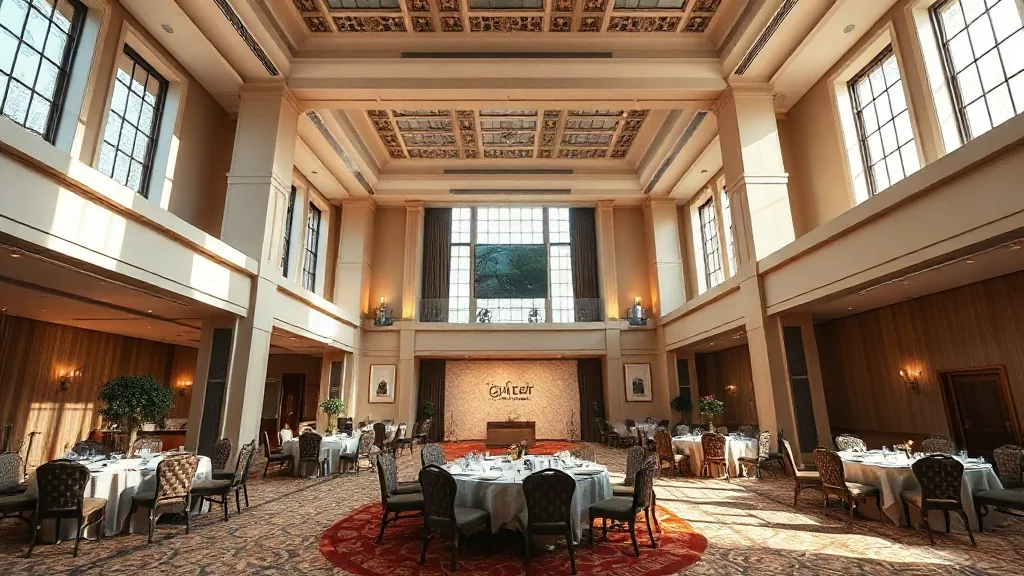
The first audit committee meeting I supported, the general counsel handed me a one-page list before the AV even loaded in. No cloud recording. No venue wifi for the board materials. Shredding on site, witnessed, before anyone leaves. Staff signs a confidentiality acknowledgment. I realized this wasn’t an event with security concerns bolted on. The security was the event, and the meeting was the thing wrapped inside it.
I came out of AV and I think in signal paths and access points, which turns out to be the right lens for these. An audit committee reviews financials before they’re public, discusses the auditor’s findings, and sometimes handles the kind of material that moves a stock price the day it’s disclosed. A leak isn’t embarrassing here. It’s a securities problem. So the venue gets chosen on containment, not on charm.
Start from what’s in the room
Before I pick a venue, I map what’s physically and digitally present during the meeting. Printed financial packets, sometimes marked draft and confidential. Laptops connected to who-knows-what network. Maybe a screen share of the earnings deck. A speakerphone line to the external auditor. Every one of those is a leak surface.
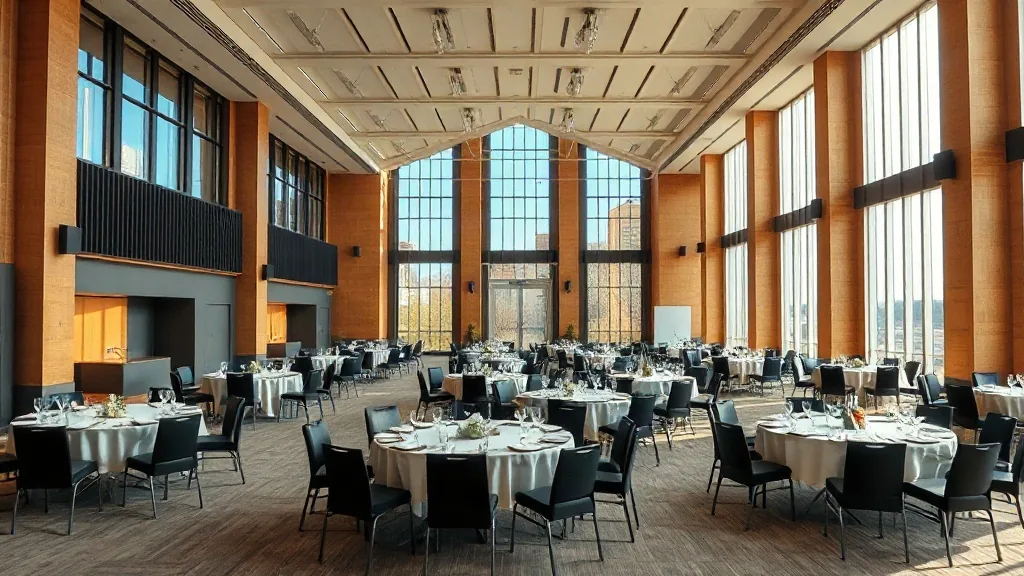
The printed packets are the easy one to underestimate. A board member leaves one in the seatback pocket of the meeting room, and housekeeping finds pre-release earnings on a page. I plan document control from the start: numbered copies, collected at the end, and shredded on site with a witness. That’s a logistics task, and it’s mine, not the venue’s.
I number every copy against a director’s name and I count them back in before anyone leaves the room. If I hand out eight packets, eight come back, and the shred happens while the committee is still in the building, not after they’ve scattered to the airport. The cross-cut shredder is a $40 rental for the day, and it’s the cheapest insurance on the whole event against a page walking out in a briefcase.
Laptops are the other quiet risk. I ask directors to keep materials off personal cloud drives during the session and I don’t allow the venue’s screen-share app to touch the earnings deck, because that app caches the file somewhere I can’t audit. If we display anything, it comes off a controlled machine on our isolated network and nowhere else.
Network isolation, because the venue wifi is a stranger
Here’s where my AV background earns its keep. I never put audit committee materials on the house wifi. I don’t know who administers it, who’s logged in, or whether the guest network is properly segmented from everything else in the building.
For these meetings I bring a dedicated, isolated network: a separate cellular hotspot or a hardwired line the venue drops just for us, on its own segment, that nobody else touches. It costs a few hundred dollars and it means the board’s traffic never rides the same network as the hotel’s point-of-sale system or a conference two rooms over. If we’re screen-sharing the earnings deck, that feed stays on our isolated path, not the venue’s projector-share app that caches who-knows-where.
I also kill the recording. Many venue AV systems and conference-room platforms default to cloud recording, and a recorded audit committee discussion sitting on a vendor’s server is a nightmare. I confirm recording is off at the hardware level, not just the software toggle, and I verify it during the tech check. The digital hygiene here overlaps with attendee-data handling generally, and data privacy at events covers the badge-and-app side of the same problem.
The room and the access rules
The physical room needs the same containment as an HR retreat, and then some. Hard walls, a solid door that locks, and no adjacency to a room where sound leaks. I test the sound isolation on the site visit the same way every time: someone talks inside at normal volume while I listen from the hall and the next room.
Access is the harder discipline. Audit committee meetings need a no-staff-entry rule during the working session, with food and beverage handled before the meeting starts or during a scheduled break with the room cleared of materials first. I schedule the catering around the agenda, not the other way around, and I brief the venue that the door stays closed and controlled while the committee is in session.
A historic mansion can be a strong pick here, and not for the aesthetics. A full-buyout mansion means no other event in the building, no shared airwalls, no strangers in the hallway, and a single controlled entrance. When you own the whole property for the day, the containment problem gets a lot smaller. A conference center with genuinely private, hard-walled boardrooms and staff experienced with confidential meetings is the reliable alternative.
The confidentiality clause, written specifically
Every audit committee venue contract I touch gets a confidentiality clause, and I write it more specifically than the generic version. It states that venue personnel with any access to the meeting space will hold in confidence all information observed or overheard, that no venue recording of any kind will occur, that materials left in the room are the client’s property to be handled per client instruction, and that the venue will support witnessed on-site document destruction.
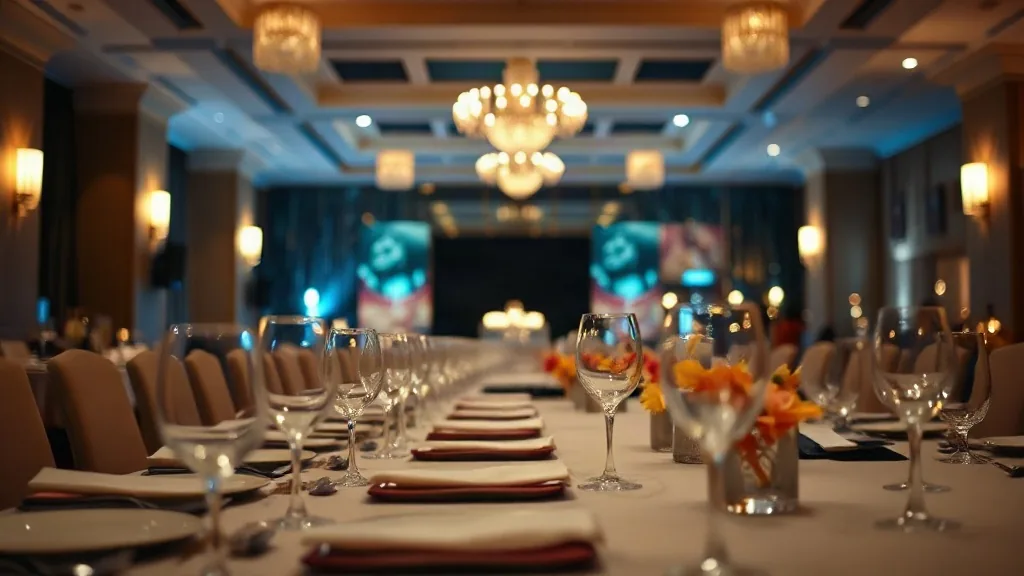
I also ask the venue to have the assigned banquet and AV staff sign a short acknowledgment. Not because I distrust a specific server, but because the audit committee’s counsel wants a paper trail, and a venue that agrees to this is a venue that understands the assignment. The ones that balk at signing tell me to keep looking. This clause is one item on a longer risk list, and the general counsel event risk review covers the rest of what counsel checks before signing off on an event.
Where the meeting actually happens
For an audit committee meeting, my ranking runs on containment. A historic mansion full-buyout gives you sole occupancy and a controlled building, which solves adjacency and stray-staff problems in one move. A conference center with private hard-walled boardrooms and confidential-meeting experience is the dependable default, with real infrastructure and staff who’ve done this before. A hotel or resort works when directors are traveling in and need overnight rooms, but I insist on a hard-walled boardroom well away from event traffic, not a ballroom carved up with airwalls.
The catering, the view, the ambiance, none of it makes the shortlist. This meeting is chosen on whether the room contains what’s said and shown inside it. Get the network isolation, the access rules, the document control, and the clause right, and the rest is just logistics.
Is your committee meeting a single day or paired with a full board offsite, and are directors traveling in? Tell me the format and whether you need overnight rooms, and I’ll map the containment plan and the contract language to the venue that fits.


