
Booking entertainment and talent without a rider surprise
The band's fee was $9,000. The rider added $4,200 in hotel rooms, hot meals, backline, and a green room that didn't exist. The rider is where entertainment budgets blow up, and it's all readable before you sign. Here is how I read it.
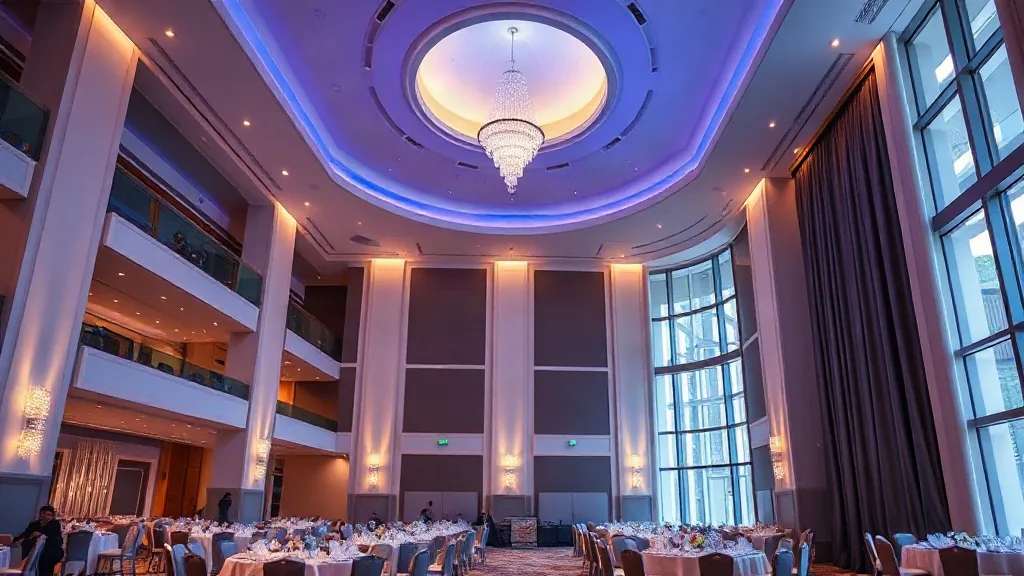
The quote said $9,000 for a seven-piece band at a finance-firm holiday party in Fort Lauderdale. The rider, which I almost didn’t read closely, said four king rooms for two nights, hot meals for nine including two crew, a full backline the venue didn’t own, a private green room with its own bathroom, and ground transport from the airport. Priced out, the rider added about $4,200 to that $9,000 booking. The band’s fee was never the whole cost. The rider was, and it’s the document planners skim right up until it shows up on the final invoice as a surprise.
Entertainment is the one vendor category where the headline number and the real number are routinely thousands of dollars apart, and the gap is entirely in the rider and the technical requirements. A DJ has a small rider. A national touring act has one that reads like a hostage note. The good news is that every dollar of it is visible before you sign, if you read the rider as a budget document instead of a formality.
The fee is the smallest part of the conversation
The performance fee is what you negotiate first and worry about least, because it’s fixed and honest. What moves the total is everything attached to it:
- Travel and lodging. For an out-of-town act, you’re often covering flights, hotel rooms for the band and crew, and ground transport. A seven-piece band plus two crew is nine hotel rooms if the rider says singles, or four to five if they’ll double up. Two nights at $220 a room is real money before anyone plays a note.
- Meals. The rider specifies “hot meals,” and a vague clause can mean the caterer plates nine extra dinners at your per-head cost, or the band expects a separate buyout of $30 to $50 a head in cash. Pin down which.
- Backline and production. Backline is the shared gear: drums, amps, keyboards. If the act doesn’t travel with it, you rent it, and a full band backline runs $1,500 to $3,500. The rider also often specifies a sound and lighting package beyond what your event AV covers.
- Hospitality. The green room, the bottled water and specific snacks, the parking passes. Small individually, real in aggregate, and occasionally impossible at your venue.
I price the whole package, fee plus rider, before I compare two acts, because the cheaper fee frequently carries the more expensive rider. My reference for what each format actually costs all-in is what I pay for entertainment by format, and it keeps me from anchoring on the performance fee alone.
Read the technical rider against your venue
Here’s the mistake that turns a rider into a crisis: the rider asks for something the venue can’t give. The band wants a green room with a private bathroom and your banquet hall has one back room shared with catering staging. The act needs 400 amps of clean power and the ballroom has two 20-amp circuits. The stage plot needs an 8-by-16 riser and the room has no riser at all.
I take the technical rider to the venue during the site visit and check it line by line. Power, stage size and load capacity, load-in access and dock hours, sound limits (some hotels and resorts have a hard decibel cap and a curfew written into your contract), and the green room. Every mismatch is either a cost to solve or a reason to pick a different act. Finding it at the site visit is free. Finding it at 5pm on event day is a catastrophe.
The clauses that protect you
The rider protects the artist. Your side of the contract protects you, and I never sign entertainment without these:
Cancellation and no-show terms. What happens if the act cancels, and what do you get back. A deposit-only-refund clause on a $9,000 booking means a no-show costs you the event’s entertainment with no time to replace it. I want a clear cancellation window and a real remedy, because a band that doesn’t show is a specific, expensive failure I’ve written about in cost of a no-show by band.
A backup and substitution clause. If the lead singer is sick, does the agency provide a substitute of equal caliber, or do you get whoever’s free? For a key act, I want the substitution standard in writing.
Performance specifics. Set length, number of sets, break length, start and end times. “Two 45-minute sets with a 20-minute break, performing 8:30 to 10:15” is a contract. “The band will perform in the evening” is a fight waiting to happen.
Licensing and insurance. The act’s music licensing is their responsibility, but confirm it, and get a certificate of insurance naming your organization and the venue. An act performing unlicensed material or without insurance is a liability you don’t want to discover after the fact.
Match the format to the event, not the wish list
The most common overspend is booking a live band for an event that a great DJ or a smaller ensemble would serve better and cheaper. A 120-person cocktail reception does not need a seven-piece band with a four-room rider; a jazz trio or a solo pianist fills that room beautifully for a fraction of the all-in cost. A DJ carries almost no rider and covers a dance floor for less than a band’s travel budget alone, which is part of why I’m particular about when a DJ is actually the right call, a topic I’ve argued in stop hiring DJs for corporate events.
Right-size the entertainment to the room and the moment. A blank event venue with a real stage and load-in access can host a full band; a tight restaurant private room cannot, and forcing it there is how you end up renting a riser that blocks the exit.
Book through a clear chain and confirm advance
I want to know exactly who I’m contracting with: the act directly, an agency, or a broker reselling the act. The chain matters when something goes wrong, because I need one accountable party. And I schedule an advance call two to three weeks out where the act’s tour manager, my AV lead, and the venue confirm power, stage, load-in, and timing together. That call is where riders and reality get reconciled while there’s still time to fix a gap.
The rider is not fine print. It’s the second half of the price, and it’s readable in full before you commit a dollar. Read it as a budget, check it against your venue, and the $9,000 band stays a $13,000 all-in you planned for instead of a surprise.
So before you sign an entertainment contract: what’s the format you’re picturing, what’s your room’s stage and power situation, and what does the rider ask for in travel and hospitality? Send me those and I’ll tell you what the act really costs.


