
Breakfast is the cheapest lever in your event budget
Nobody optimizes breakfast, so it is where the easiest savings and the biggest perceived-value wins hide. Here is the per-head math on continental vs plated vs grab-and-go, and how I use breakfast to fund the rest of the day.
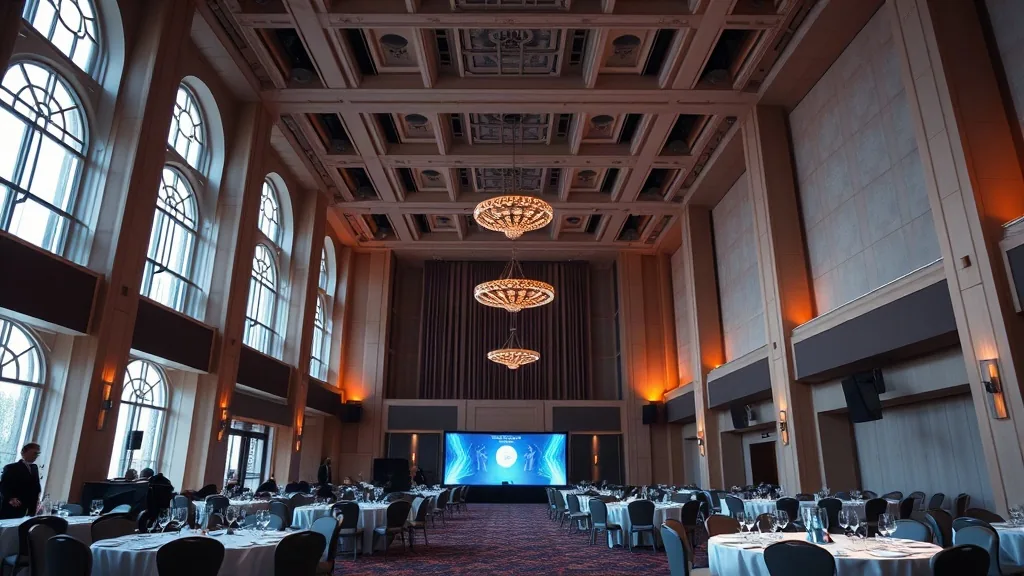
On a 200-person, two-day tech summit in Atlanta, the hotel’s default breakfast was a hot buffet at $42 a head. Two mornings, that’s $16,800 before service charge, roughly $22,000 loaded. I swapped it for an enhanced continental with a couple of hot add-ons at $24 a head and nobody, not one attendee, complained or even noticed. That single swap freed up $7,200 in food cost across two mornings, which I moved into a better closing reception the client actually remembered. Breakfast is the cheapest lever in the budget because it’s the meal nobody optimizes.
Here’s the money logic. Breakfast is the meal people care about least and the venue prices highest relative to its cost. Eggs, potatoes, and pastry cost the kitchen very little, but a “hot breakfast buffet” carries a per-head number close to lunch because they know you’ll approve it without scrutiny at 6am budget-planning energy. That gap between cost and price is exactly where a planner makes money for the client.
The three breakfast formats and what they cost
Grab-and-go: bagged or boxed items, a pastry or breakfast sandwich, fruit, and coffee at a station people grab on the way in. $12 to $18 a head. Fastest, cheapest, zero seating required, and perfect when the agenda starts hard at 8:30 and you don’t want people lingering over a buffet.
Enhanced continental: pastries, fruit, yogurt, and one or two hot items like a breakfast sandwich or a small egg dish, plus full coffee service. $20 to $28 a head. This is my default for most conferences because it reads as generous, feeds people properly, and costs 40 percent less than a full hot buffet.
Full hot buffet: scrambled eggs, potatoes, bacon or sausage, sometimes an omelet station, the works. $35 to $48 a head, plus a chef-attendant fee if there’s an omelet station. Justified for a leisurely first morning, a VIP group, or a program that genuinely starts with a seated breakfast meeting. Overkill for a standard conference day where people eat in ten minutes and head to the first session.
The perceived-value trick is that the jump from grab-and-go to enhanced continental buys a lot of goodwill for $8 a head, while the jump from enhanced continental to full hot buffet buys almost none for another $15 to $20 a head. The sweet spot is the middle, and most venues quote you the top by default.
Plated breakfast is a specific tool
A plated breakfast, $28 to $40 a head, exists for one reason: you need people seated and captive for a program. A breakfast keynote, an awards presentation, a sponsor moment. If there’s a stage and a script during breakfast, plate it, because a buffet during a breakfast program empties the room to the food line exactly when your speaker starts. Same lesson as any meal with a program: the format has to serve the run of show, not just the stomachs.
If there’s no program, plated breakfast is wasted money and wasted time, because it slows the morning and forces a longer seated block when people want to grab coffee and get to work. Match the format to whether anyone’s talking from a stage.
Where the venue model changes the math
Breakfast economics swing hard on venue type. Many conference centers bundle breakfast into a Complete Meeting Package or day-delegate rate, which can make a hot breakfast effectively free relative to booking it a la carte, so at a CMP property, take the hot breakfast because you’ve already paid for it. At hotels and resorts, breakfast is usually a la carte and richly priced, which is where the continental swap saves the most. At large convention centers with an exclusive caterer, breakfast minimums can be steep, so grab-and-go may not even clear the minimum and you’re pushed to the continental anyway.
Know your model before you optimize. Cutting breakfast at a CMP conference center saves nothing because it’s baked in. Cutting it at a hotel that charges $42 a head saves real money.
The move: fund the day with breakfast savings
Here’s how I actually use this lever. I take the difference between the default hot buffet and an enhanced continental, usually $15 to $20 a head, and I don’t just pocket it. I redeploy part of it into the meal or moment that people actually remember: a better afternoon break, a stronger closing reception, a decent coffee program that stays hot all day. Attendees remember the last thing and the coffee. They forget breakfast entirely. So I move money from the meal nobody remembers to the moments they do, and the event feels more generous while costing the same or less.
Do the same reconciliation on the coffee that rides with breakfast. An “all-day beverage” package attached to a hot breakfast can double-charge you for coffee you’re already getting, so read whether the breakfast includes continuous coffee or whether the beverage package is a separate line. That’s a few hundred dollars a day that hides in the overlap.
For the full per-head picture across every service style, catering cost per head by service style has the ranges. When you’re building the budget line by line, the F&B per-head calculator I actually use has breakfast and breaks broken out. And run the whole proposal through how to evaluate a catering proposal so the default hot buffet doesn’t slide through unquestioned.
So tell me about your mornings. How many days, what headcount, and is there a program during breakfast or do people just need to eat and get to the first session? Give me that and I’ll tell you which format to book and how much of your food budget breakfast can quietly hand back to you.


