
Coffee-break math: why the AM refresh costs more than lunch
Planners cut the buffet and never look at the coffee line. On a two-day conference the breaks can outrun lunch on a per-head basis. Here is where the money goes and how I trim a break budget without a caffeine revolt.
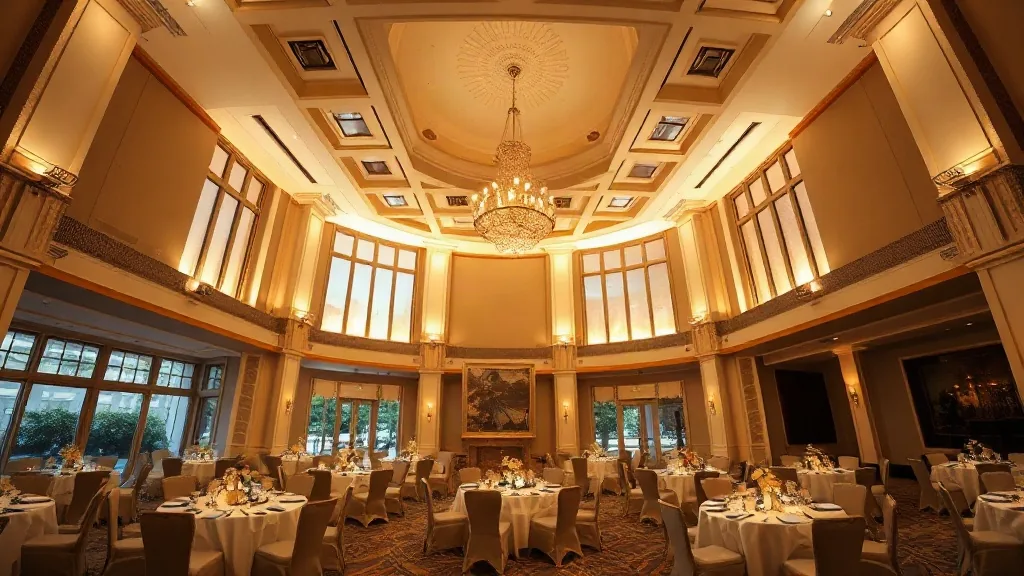
I ran a two-day finance training for 120 people last fall, and when I checked the banquet event order the client had approved before I came on, lunch was $46 a head and the two daily coffee breaks were $38 a head combined. Nobody blinked at the coffee number. They should have. Across two days, breaks came to $76 per person and lunch came to $92. The breaks were pouring 45 percent of what lunch cost, for coffee, tea, and a bowl of whole fruit that mostly went back to the kitchen.
That’s the coffee-break trap. Everyone audits the entree. Almost no one audits the refresh, and hotels price the refresh knowing that.
Why the AM break costs what it does
An all-day beverage station at a full-service hotel runs $18 to $32 per person per day, and it’s usually quoted as “continuous” or “refreshed at each break.” Continuous sounds like a bargain because it’s one number, but you’re paying for the urn to stay hot and restocked for eight hours whether people drink it or not. The morning break specifically gets the priciest add-ons: the pastry assortment at $52 a dozen, the individual yogurts at $6 each, the bottled cold brew at $7. Those unit prices are where a $9-a-head break becomes an $18-a-head break.
The dirty secret is that coffee itself is cheap. A gallon of brewed coffee serves about 20 cups and costs the hotel a few dollars. The venue isn’t charging you for the coffee, it’s charging you for the labor to keep the station attended and the “premium” items you bolted on. Strip the add-ons and the same break can drop to $8 or $9 a head with no one noticing the pastries are gone by 10:15 anyway.
Consumption vs per-person on breaks
Same lesson as the bar. Many venues will run breaks on consumption if you ask, billing per cup and per item actually taken. For a 120-person group where maybe 70 percent hit the morning coffee and 40 percent take the afternoon, consumption can beat the per-person “all-day package” by 20 to 30 percent. The venue defaults to the package because the package is more profitable for them. Ask for the consumption quote and compare.
Here’s the trap in the other direction: a small group. For under about 40 people, per-person packages are often cheaper because the venue sets a minimum labor charge on consumption stations, and that flat attendant fee spread across 30 people costs more per head than the package. Run the number both ways at your actual headcount before you assume consumption wins.
The refill nobody ordered
Watch for the “refresh” line. A break refreshed at 10am and again at 2:30pm can be billed as two separate breaks even though your agenda lists one. On a two-day BEO I’ve seen four refresh charges when the agenda had two breaks a day. Each refresh is a full per-person charge. Read the BEO against your actual agenda, count the breaks, and make the venue match them line for line. That single audit saved my finance client $1,900 across two days.
What I actually cut, and what I never cut
I never cut morning coffee. A training room of 120 finance people at 8:30am without coffee is a room that turns on the planner by 9. Caffeine is not the line to trim. What I cut is everything around it: the branded bottled water at $5 (swap for pitchers and glassware, which is often free), the whole-fruit bowl that goes back untouched, the afternoon “energy break” with smoothies at $9 that exists purely as a margin product.
What I add back cheaply: a decent afternoon cookie or granola bar at $3 to $4 a head does more for the room’s mood at 3pm than a $9 smoothie station. The perceived generosity is in the coffee being hot and never empty, not in the exotic add-on. Spend on attendance and freshness, not on novelty.
The plated-lunch trade that funds the breaks
Here’s the move I make on tight budgets. A plated lunch runs $8 to $15 a head less than a hot buffet for the same group because of the portion control and reduced labor, the same dynamic I watch on the dinner side. Take that saving and put half of it back into keeping the coffee genuinely continuous and fresh. The room reads a well-run break and a tidy plated lunch as a well-run event. It reads a lavish buffet with a coffee station that ran dry at 10:20 as a cheap event, even though the second one cost more.
For the underlying per-head logic across every meal period, the catering cost per head by service style breakdown is where I’d start. When you’re checking your own numbers, the F&B per-head calculator I actually use has the break lines built in. And before you approve any banquet proposal, walk it against how to evaluate a catering proposal so the refresh charges don’t slip past you.
Where you hold the event changes the break economics too. Most conference centers build all-day beverage into the day-delegate rate, which can be cheaper than a hotel’s a la carte breaks; hotels and resorts tend to price breaks separately and richly; and large convention centers often mandate their exclusive caterer, where the break minimums can be steep. Know which model you’re in before you build the budget.
So send me your agenda. How many break periods over how many days, at what headcount, and are they on a package or consumption? Give me that and I’ll show you where a few hundred dollars a day is hiding in the coffee line.


