Country club venues and the member sponsorship requirement
A $62,000 country club buy stalled on a two-week member sponsorship check.
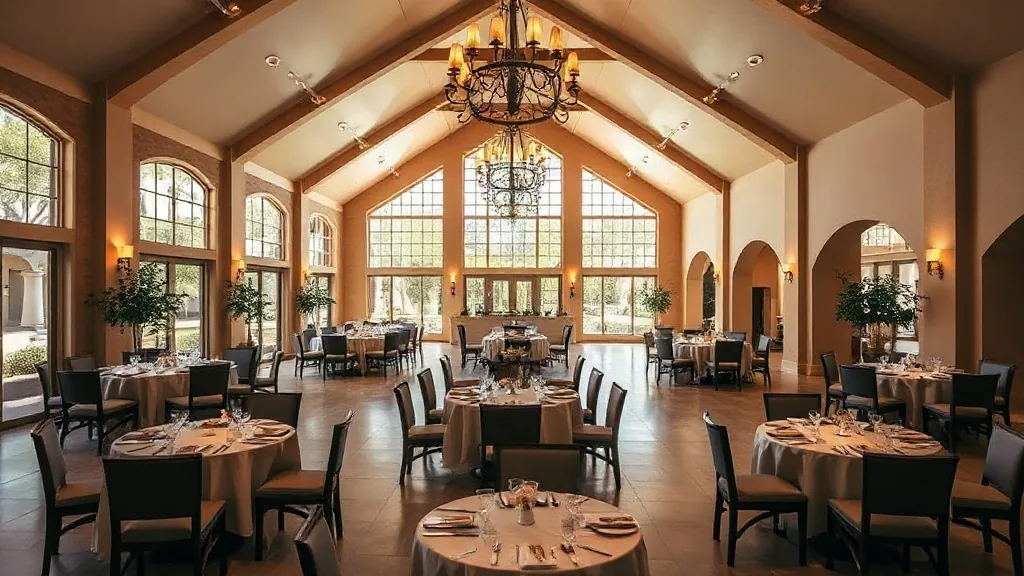
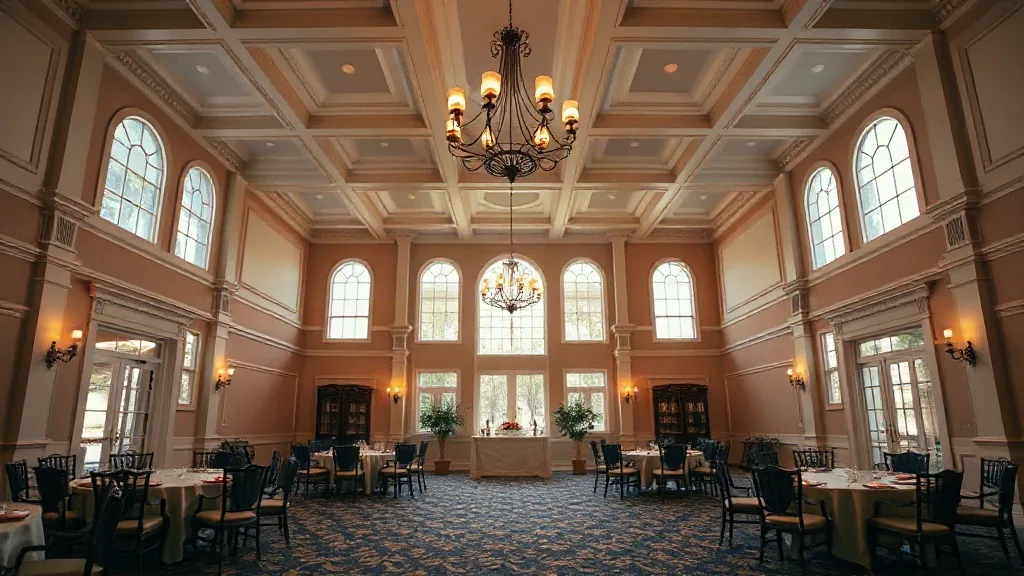
I’m a mile into my own driveway when the phone rings, and it’s the club manager asking if my client’s CEO would mind submitting to a background check before we can sign the room contract. The buy was $62,000 over three days at a country club outside Atlanta, not a federal security clearance. That was my introduction to the member sponsorship requirement, and it’s the clause every planner eventually meets when they book a private club venue. The sales director quoted the ballroom rate quickly. The 400-character sponsor form took another two weeks to clear.
The Sponsorship Clause and What It Actually Costs You per Head
Here’s the pricing trap. Most clubs quote a package rate for non-member events that includes the room and a set menu. That figure is real but incomplete. Member-guest policies add surcharges. A standard golf club in the Atlanta metro will add a 20 to 24 percent service charge over the food and beverage minimum, plus a 5 to 8 percent “non-member differential” applied to everything you order. That $150 plated dinner you thought you priced is effectively $195 before tax, and the club won’t show you that number until the evening invoice lands. I now write a walk-away clause into every club inquiry: if the all-in per-head cost exceeds the quoted figure by 10 percent after the service charge and differential, we’ve got an option to move the program to a backup venue without penalty.
I’ve seen planners burn a $4,000 deposit because they didn’t vet the sponsorship process before signing. One club requires the sponsoring member to have been in good standing for five consecutive years. Another recently restricted non-member events to a 60-person capacity in the dining room, forcing the main presentation to split into two sessions. Ask for the member conduct rules by name upfront. If the sales team hesitates on that document, treat it as a red flag and walk.
How Far in Advance Clubs Need the Sponsor’s Name on Paper
Clubs set their calendar in member seasons, not corporate quarters. The prime windows are April through June and September through mid-November. In metro Atlanta, a member who’s sponsoring your tech user group’s annual dinner must submit a written request to the club’s events committee between 45 and 90 days in advance. I’m not talking about the initial space hold. I’m talking about a formal committee vote on whether your event is appropriate for the club’s image.
The committee review can sink an event with no appeal process. A few months back, we lost a Thursday-night social for a health tech firm because the committee deemed the product demo “not aligned with club social norms.” The sponsor felt embarrassed, and we paid a cancellation fee equal to 15 percent of the estimated food minimum. That’s on me for not reading the aesthetic clauses of the membership agreement and for assuming the sponsor could sell it internally.
You’ll want the sponsor secured before you negotiate room rate, because the member frequently acts as your de facto account executive. They may expect reciprocity: a tee time, a table at your client’s charity gala, or a modest sponsorship of the club’s annual charity tournament. Put that expectation in writing via email early. A handshake on the golf course later reads differently when your CEO owes the sponsor a favor.
Planners sometimes find a workaround through corporate memberships. If your company holds one at the club, events are generally treated as member events rather than guest events, dropping that differential charge and often eliminating the committee review for groups under 100. Corporate membership initiation fees in the Southeast range from $10,000 to $45,000 plus monthly dues, so that route only pencils when you plan more than five annual gatherings at the same property. For a one-off launch or a single annual retreat, the guest-differential math usually loses by a wide margin.
What a Club Venue Gives You That Hotels Can’t Match
I’m blunt about costs because clubs are worth the friction in the right context. For a senior executive retreat or an investor day, the member gate actually works in your favor. Attendees get privacy, no wandering hotel guests and no competing conventions in the same building. The service ratio runs closer to one staff member per 12 attendees at a good club, versus one per 25 at an average downtown property. Your total bill runs higher, but the experience reads as an intentional, exclusive signal to attendees that carries weight a ballroom can’t fabricate.
The grounds usually do the heavy lifting for you. Most clubs I book have enough existing plantings, terraces and water features that we zero out the floral line entirely for summer events. A garden tent at a club venue in Maine runs $85 to $120 per person over the club’s standard menu rate, and clients pay it because the ocean view and manicured greens beat a windowless conference floor. Compare that to a venue shell where you spend $8,000 on uplighting and pipe and drape just to make a plain room presentable. Check the club’s noise ordinance before you plan an outdoor amplified program. Several municipalities limit amplified sound after 9 p.m. even on private club grounds, which is a clause I always forfeit when reviewing the music rider.
Clubs also solve the room block problem in unexpected ways. Rather than negotiating a cumbersome corporate rate, many planners book the club for daytime sessions and hold attendee lodging at a nearby hotel without meeting space. That split strategy frequently nets a lower average room rate because hotels bid aggressively to capture the sleeping inventory without the cost of ballroom setup. It’s more logistics for my team on paper but cheaper for the client by about 15 to 22 percent across a 250-person program. The shuttles take an added 8 to 12 minutes each way, so build that buffer into your schedule between breakout and plenary.
Pick the Right Club for Your Crowd and Secure a Backup Date
Location efficiency matters more than prestige when there’s budget pressure. I schedule tours of Atlanta-area clubs in the run-up to a client meeting. Test the food at member-guest pace, not the event-service pace, because kitchens cook very differently when 300 covers hit at once. And always request a copy of the club’s beverage contract: member-owned clubs are exempt from some public liquor pricing rules, and wine markups sometimes double standard restaurant levels.
Regional differences show up in surprising ways. If your audience leans conservative, a classic golf club in Cleveland works beautifully. For agencies representing consumer brands, a newer city or athletic club downtown feels less stuffy. The mid-sized secondary city clubs are great fallback options for lower per-head pricing than the prestige properties, while the top-tier country clubs in their hometowns carry larger initiation fees and stricter event polices. A club in Medford will handle your group differently than one in Pawtucket, so I never apply a single national assumption.
I book two dates on principle: the preferred Saturday and the backup date, generally a Thursday, negotiated at the start. Clubs will hold a second date without deposit for only about two weeks, but it buys you cover if the board of a Fortune 500 sponsor delays the inquiry on membership terms. Confirming the sponsorship on a weekend event in a club community, where buy-in matters for the sponsor, can take fourteen days alone. Always pin the contract’s final signature date to the first Friday after the sponsorship approval hits, and write in the 10-day notice requirement explicitly.
The success rate for me has been high because I stopped treating the sponsorship as a blocker and started naming the approval date as a business requirement in the first conversation. It keeps clients serious in an environment that moves at the slower pace of member governance.
Tell me your target headcount and whether a two-hour planner veto window on management approval terms works for your schedule this season. I’ll pull the club’s calendar options and give you the real per-head figure before you see any pretty brochure.