
Dietary accommodations at scale: the allergy plan venues hide
For 300 people you will have real allergies, and the venue's default plan is a sad plate improvised at the last minute. Here is the accommodation system I put in the contract so nobody at your event gets a shrug from the kitchen.
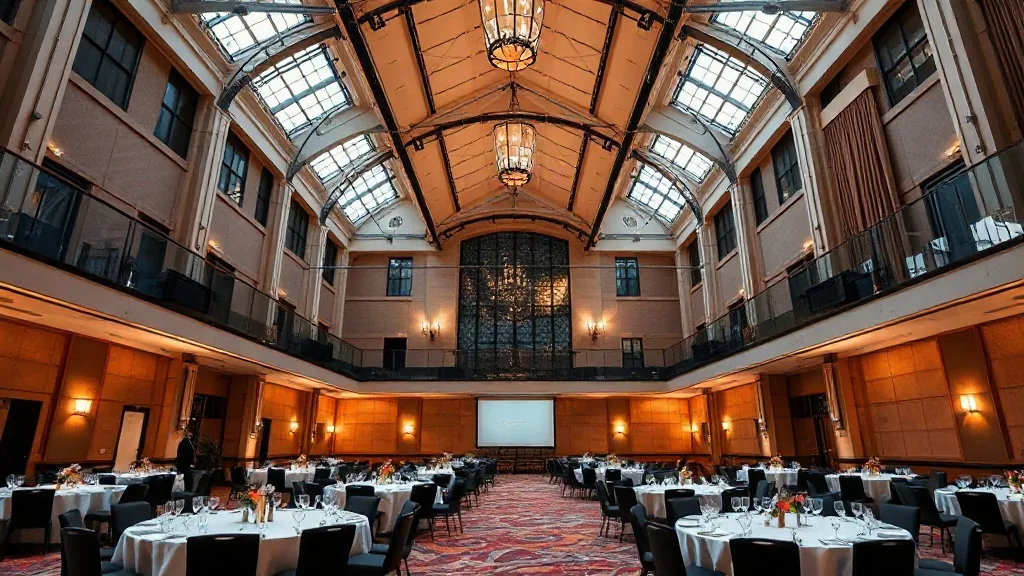
A guest at a 280-person tech offsite in Atlanta told the server she had a severe tree-nut allergy. The kitchen’s plan, which I only learned mid-service, was to pick the walnuts off the plated salad and send it back out. That’s not an accommodation, that’s a lawsuit with a garnish. I stopped the plate at the pass. The reason it got that far is the reason I now write dietary handling into every contract: venues treat allergies as an exception to improvise, when at 300 people they’re a certainty to plan for.
Run the numbers. In a random crowd of 300 US adults, you’ll typically see 15 to 25 vegetarians, 3 to 6 vegans, a handful of gluten-sensitive guests, and 6 to 12 people with a real food allergy, at least one or two of which are severe. That’s not a rounding error you handle with a spare plate. That’s roughly 30 to 45 modified meals, or 10 to 15 percent of your headcount, and it needs a system.
The three tiers, because they are not the same problem
Planners lump “dietary” into one bucket. Kitchens don’t, and neither should your contract. There are three tiers and each needs different handling.
Preference (vegetarian, no pork, low-carb): the guest chooses it and a wrong plate is a disappointment, not a danger. A good vegetarian entree that isn’t an afterthought covers most of this. Ask what the vegetarian plate actually is, because “grilled vegetable plate” is the tell that the kitchen didn’t think about it.
Intolerance (gluten sensitivity, lactose): a wrong plate makes someone sick but not hospitalized. This needs ingredient awareness and separate prep surfaces, but not the full protocol.
Allergy (nuts, shellfish, severe gluten as in celiac): a wrong plate is a medical emergency. This needs dedicated prep, sealed handling, a labeled plate, and a server who knows which guest gets it by seat number. This is the tier venues hide, because doing it right costs them labor.
What to put in the contract
Do not accept “we’ll accommodate dietary needs” as a clause. It means nothing. I write four specifics into the BEO.
First, a guaranteed separate-prep protocol for allergies: allergen-free plates prepared on cleaned surfaces with clean utensils, plated separately, and sealed or covered until served. Get the words “separate preparation” in writing.
Second, seat-level identification. Every allergy meal is tied to a seat number from the final rooming or seating list, and the captain carries a map. A colored flag or a different plate cover marks the seat. Servers hand-deliver, they don’t set it on a tray and hope. This is how you avoid the walnut-picking improvisation.
Third, a labeled buffet if it’s a buffet. Every station carded with the top allergens present, and separate serving utensils per dish so the shrimp spoon doesn’t cross into the pasta. Buffets are where cross-contact happens most, so if you’re running a buffet for a group with known severe allergies, I push for a plated exception for those specific guests even at a buffet event.
Fourth, a named point of contact in the kitchen the day of. Not “the chef,” a name and a radio channel, so when a guest discloses something on-site the information reaches the person cooking, not just the server.
The collection problem is upstream
None of this works if you don’t know the numbers before the guarantee date. I collect dietary needs at registration with a required field, not an open text box, because “I don’t eat much red meat” is not actionable and “severe shellfish allergy, epinephrine on hand” is. Give people structured options plus a free field for the specifics, and set the collection deadline to your F&B guarantee date, usually 72 hours out.
Then I reconcile the counts to the kitchen in writing: 22 vegetarian, 4 vegan, 3 gluten-free, 2 severe tree-nut, 1 shellfish, by seat where seated. The kitchen produces to that count plus a small buffer, usually two extra of each accommodation plate for the walk-in disclosure that always happens. That buffer is the difference between a calm save and a stopped plate at the pass.
What it costs, and why it is cheap
Here’s the part that gets budgets to approve it. Accommodation plates usually cost the same per-head as the standard entree, sometimes a couple dollars more for specialty ingredients. The cost isn’t the food, it’s the kitchen labor to run a separate prep line, which a competent venue absorbs into the existing service charge. If a venue tries to bill you a per-plate surcharge for allergy handling, that’s a flag that they don’t do it routinely. A kitchen that does this every weekend doesn’t nickel-and-dime it.
Where it gets genuinely expensive is religious certification. A fully kosher meal from a certified kitchen can run two to three times your per-head because it’s sourced and prepared off-site under supervision, and not every venue can even offer it. If you have kosher or halal requirements at scale, that’s a venue-selection criterion, not a day-of ask, and you confirm it before you sign.
For the collection mechanics that feed this whole system, how to collect dietary restrictions for 200 people is the piece I’d read first. If religious meals are in play, the kosher-only menu the hotel refused is a cautionary read on confirming capability early. And run any banquet proposal through how to evaluate a catering proposal so the accommodation language doesn’t stay vague.
Venue type matters here. Full-service hotels and resorts and established banquet halls run allergy protocols weekly and can usually show you their procedure; some conference centers with in-house catering are just as capable, but a venue that outsources to a rotating caterer is where the plan goes soft. Ask to see the written protocol before you book.
So tell me your headcount and your format. How many people, plated or buffet, and do you have any severe allergies or religious requirements already known? Give me that and I’ll tell you exactly what to write into the BEO before the kitchen improvises a plate.


