Distillery vs Winery vs Brewery — A Working Planner's Decision Tree
They all have good lighting and exposed brick, but a distillery buyout, a winery buyout, and a brewery buyout serve completely different corporate briefs. Here's how I decide, fast.

Three years into my Atlanta-based planning practice I had a client forward me a brewery event from a competitor and ask me to explain why I’d proposed a distillery instead. I wrote her a two-paragraph email and she replied: “That’s a whole blog post.” She was right, and I’ve been giving some version of that answer ever since.
The confusion is understandable. All three formats have exposed brick, good lighting, a craft beverage identity, and a cool-factor that hotel ballrooms can’t manufacture. But they serve functionally different corporate briefs, attract meaningfully different client demographics, and create different event textures — and booking the wrong one for a group is a real mistake I’ve watched happen more than once. A wine crowd in a brewery is slightly off all evening and can’t explain why. An executive team that drinks brown liquor at every dinner is slightly underwhelmed by a winery. These are not dramatic failures but they’re avoidable ones.
The decision isn’t that complicated once you know the axis. Here’s how I run it.
If you want the full set of options across all three categories, the full breweries and distilleries directory is long. This is the slice I trust.
What I’m filtering for
- Guest demographics and drinking preferences. This is the primary filter and most planners skip it. Know who’s in the room before you decide which liquid identity to borrow.
- The program structure. Distilleries, wineries, and breweries have different natural formats — tastings, pairings, pours — and the right match accelerates your program rather than fighting it.
- Venue infrastructure for actual corporate events. Not every “we do events” operation is ready for 80 people with a content portion, a caterer, and a 10pm end time. I’m only naming the ones that are.
The distillery — when it’s right
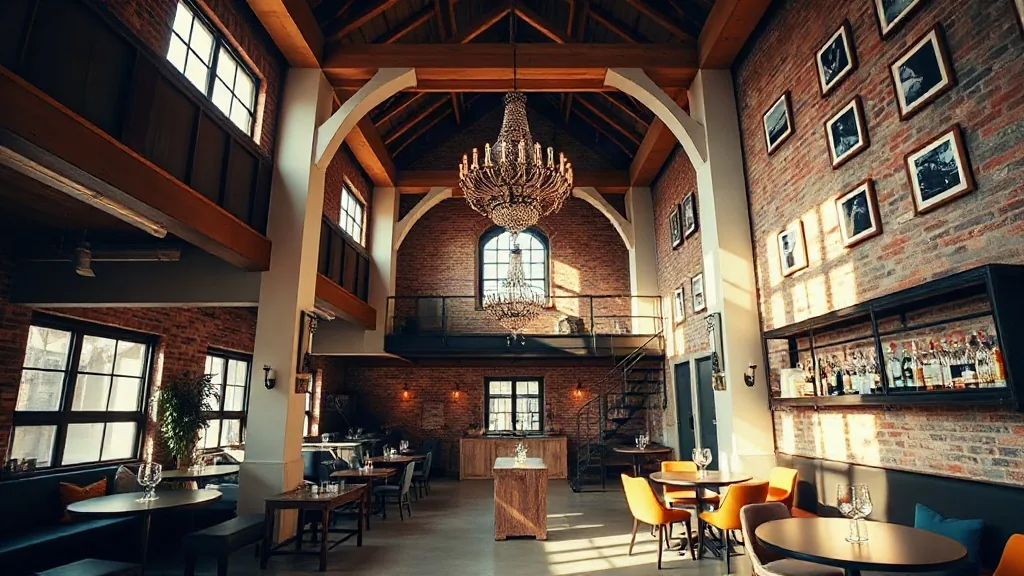
Distilleries work for senior-skewing, relationship-heavy corporate events. The brown-liquor identity — bourbon, rye, whiskey, gin at the craft end — reads as refined and specific in a way that beer and wine don’t. The typical distillery buyout has a smaller footprint than a brewery, which actually helps for groups of 40-100: it creates intimacy. The barrel-room aesthetic is elegant, not casual.
Use the distillery when: Your guest list skews senior (40s-50s+), you’re doing a client entertainment dinner or relationship event, the city has a genuine distillery culture the group will recognize (Louisville, Nashville, Denver), and you want the beverage to be a talking point rather than background noise.
Skip the distillery when: Your group is 200+, you need casual high-energy, or the demographic runs young and craft-beer is the shared language.
Named examples worth knowing: Rabbit Hole Distillery in Louisville has one of the most beautiful event spaces in that category — Frazier Museum adjacent, barrel aging rooms as backdrop, stunning. Corsair Distillery in Nashville’s Wedgewood-Houston district handles corporate buyouts well for 50-150. Laws Whiskey House in Denver has event space and a genuine grain-to-glass story that works well as a program element for an agriculture or food-industry group.
The winery — when it’s right
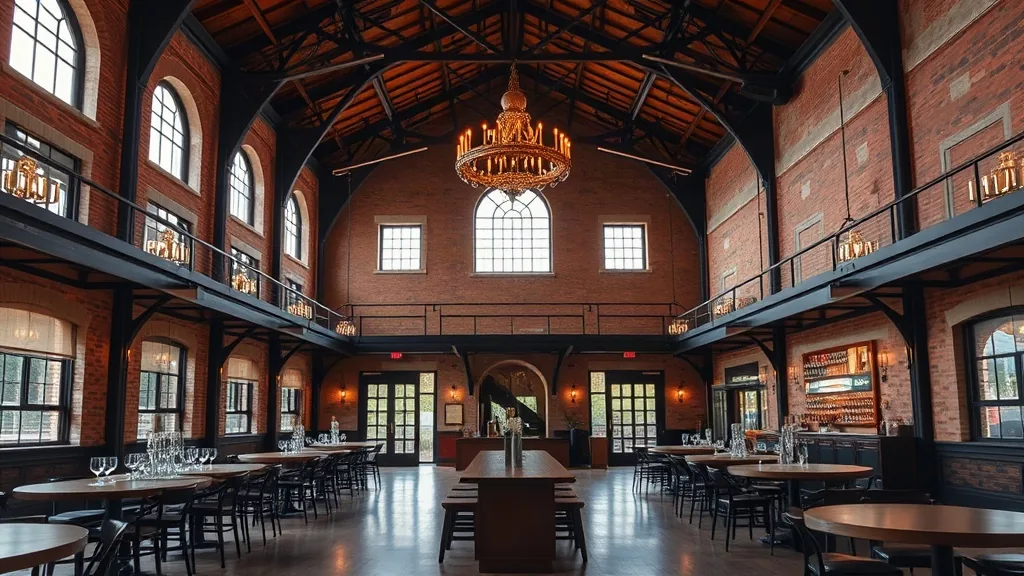
Wineries are the most formal of the three formats. Wine has the highest-status beverage association in US corporate culture — not universally, but broadly — and a winery setting signals “we spent real money on this” even when the per-head cost is comparable to a brewery buyout. The aesthetic skews lighter, more refined, often more photogenic.
Use the winery when: You’re doing a recognition event, an awards dinner, a celebration tied to a major milestone. Wine works when the evening is aspirational. It also works particularly well for healthcare and pharma clients, finance clients, and any group where the VP of Compliance is in the room and you need the event to feel considered rather than raucous.
Skip the winery when: Your group is a tech engineering team that’s explicitly said they want “casual,” or you’re in a market where the wine scene isn’t developed and the “winery” is actually a bar with barrels as decor.
Named examples worth knowing: In urban markets, rooftop wineries have added a category — City Winery (Atlanta, Nashville, Chicago, New York, DC, Boston) is the most reliable operator across locations. Their corporate events program is mature, the wine is genuinely good, and the room works for 60-300 people depending on location. Darioush in Napa is the luxury-tier option for a high-end Northern California client event. For East Coast groups, Barboursville Vineyards in Virginia handles corporate weekend retreats with outdoor pavilions and accommodation on-property.
“We’ve done client appreciation dinners at hotels for fifteen years. The first City Winery dinner was the first time clients asked about the next one before leaving.” — Principal at an Atlanta commercial real estate firm.
The brewery — when it’s right
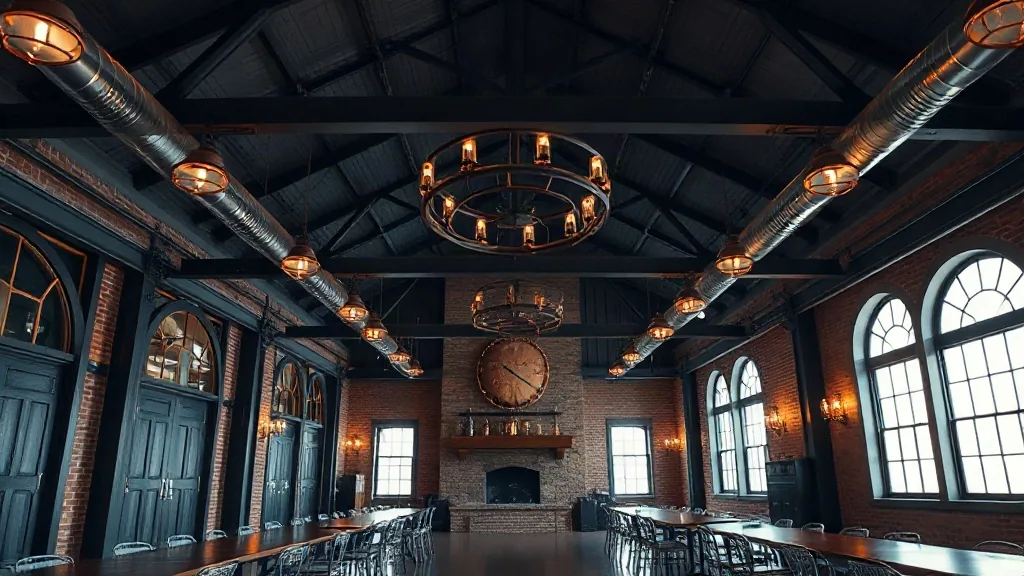
Breweries are the most democratic and casual of the three formats, and that’s a feature, not a bug — for the right brief. A full-brewery buyout for 100-300 people is often the best value in the events market: high ceiling, industrial character, plentiful beer, food that ranges from good bar food to real restaurant quality at the better operations. The atmosphere is loud, warm, and un-corporate in exactly the way some events need to be.
Use the brewery when: Your group is a large, younger-skewing team — tech, creative, agency — doing an end-of-year celebration, a new-hire welcome, or a culture event where the goal is genuine decompression. Also works for sales kickoffs that want energy over formality.
Skip the brewery when: You need quiet for a content portion, the CEO is giving remarks, or your attendees are primarily external clients you’re trying to impress. Beer is a casual signal and casual is wrong for some events regardless of how good the beer is.
Named examples worth knowing: New Belgium Hub in Asheville is a genuine large-format brewery buyout space with event infrastructure. Dogfish Head Brewings and Eats in Rehoboth Beach does corporate buyouts for mid-Atlantic groups. In Chicago, Revolution Brewing’s Kedzie taproom has handled events up to 300. For Atlanta groups, Monday Night Brewing’s Garage location in West Midtown is a well-run corporate events space that I’ve used multiple times.
The actual decision tree
Run it in this order:
- Senior external clients present? → Distillery or winery. Not brewery.
- Recognition/milestone event? → Winery first, distillery second.
- Large team, younger demographic, high energy needed? → Brewery.
- Relationship dinner, 40-80 people, brown-liquor culture? → Distillery.
- None of the above, guest preferences genuinely unknown? → City Winery. It’s the middle ground that offends no one and satisfies most.
A note on food minimums and caterer access
All three formats have F&B minimums for private buyouts, and the terms differ. Breweries often allow outside caterers alongside their own food program. Distilleries vary — some have in-house kitchens, some require approved caterers, some have no food program at all and require you to bring everything. Wineries almost universally have a catering relationship or an in-house program, and it’s usually the best match for the format anyway.
The thing I see planners get wrong most often: booking a distillery with no food program for a group that expects dinner, then scrambling for a caterer at the last minute. Nail down the F&B story before the contract, regardless of format.
Picking from this list
- Senior relationship dinner, 40-80 guests → Distillery
- Recognition event, milestone celebration, finance/healthcare group → Winery
- Large team culture event, 100-300 guests, younger demographic → Brewery
- Client appreciation with no strong demographic signal → City Winery
- Louisville or Nashville group, want a local identity → Distillery
- Tech all-hands, need volume and energy → Brewery
If none of these formats fits the brief, the full breweries and distilleries directory has more venue options across both categories. Or browse corporate event venues by city and state to see what’s available in your market.
Send me the guest list demographics and the event objective — I can usually tell you which format in one email exchange.