
Floral and decor budgets that photograph well without overspending
A $40,000 floral budget and a $12,000 one can look identical in the photos that end up on the recap deck. The camera reads focal points, not total spend. Here is where to put the money so the room shoots well and where to stop.
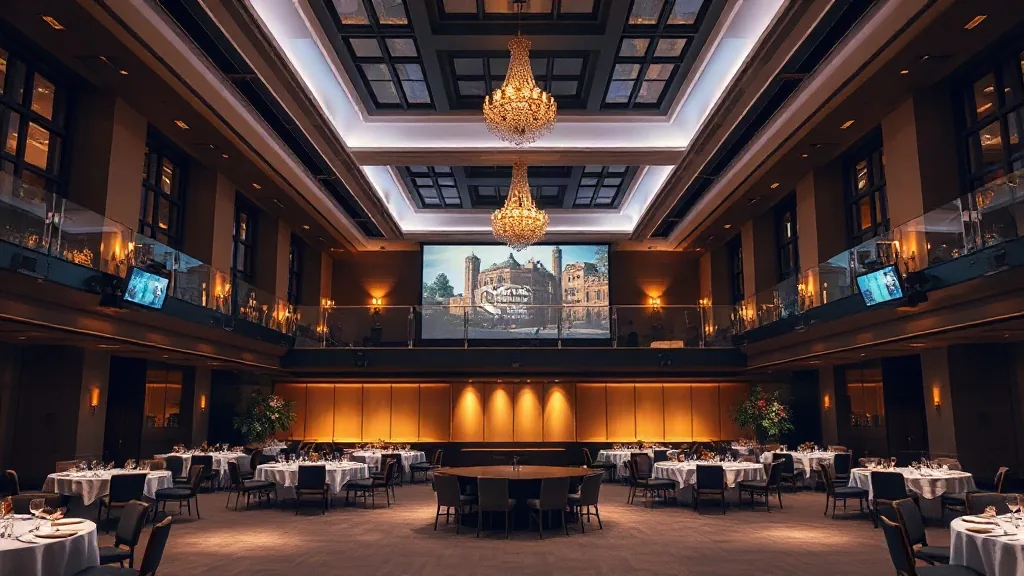
A client once approved a $38,000 floral proposal for a 250-person awards dinner, tall centerpieces on every one of 25 tables, a flower wall, garlands down the stairs. The photos that ran on the internal recap were the stage, the flower wall, and four hero tables. The other 21 tables barely appeared. We spent roughly $22,000 on arrangements that never made a single usable image. I came up through AV and production, so I look at a room the way a camera does, and the camera taught me something the florist won’t: it reads focal points, not total spend. A well-placed $12,000 budget and a scattershot $40,000 one produce the same recap deck.
Decor is the easiest line to overspend because it’s emotional and it’s everywhere you look during the walkthrough. But the walkthrough is not where the money earns out. The photos are, and the video, and the two or three images that get reused in next year’s invite and the sales deck. Spend for the camera and the room still feels full. Spend for the naked eye across every square foot and you’re paying for flowers nobody photographs.
The camera only sees a few things
Walk any event recap and count what’s actually in the images. The stage or focal wall. The entrance moment. A handful of hero tables shot from a flattering angle. The bar back. Detail shots of the place setting. That’s most of it. The camera does not do a democratic sweep of all 25 tables; it goes to the strongest compositions and stays there.
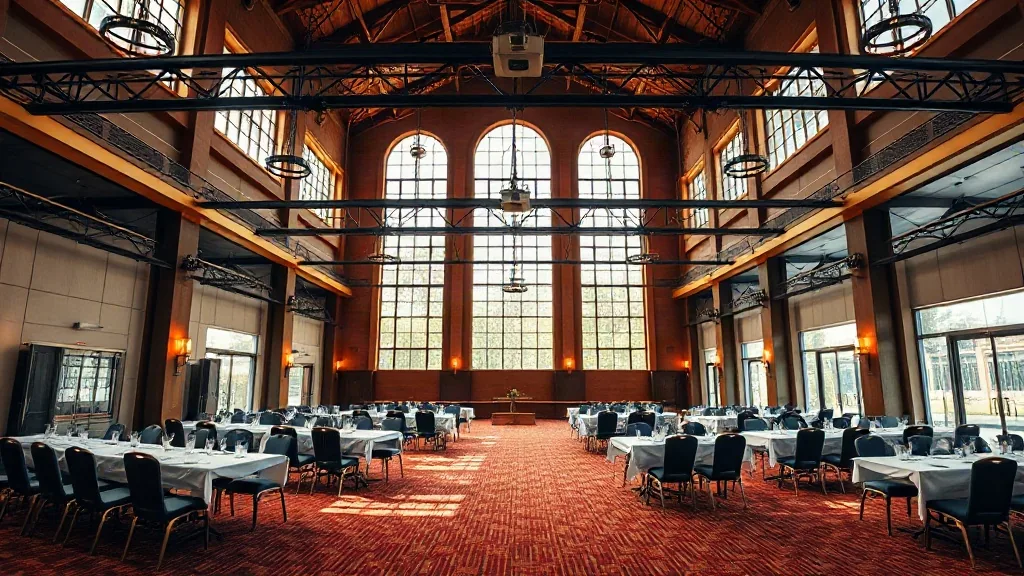
So I sort every decor line into one of two buckets: does the camera find this, or does it just fill space? The stage backdrop, the entrance, four to six hero tables, the bar, and the tablescape details are camera lines. The identical centerpiece on the 19 back tables nobody shoots is fill. Fund the camera lines properly and starve the fill, and the deck looks like the $40,000 room.
Where I put the money
The entrance and one focal moment. The first image is the entrance, and it sets the perceived production value of the whole event. A single strong installation there, a floral moment, a branded structure, a lighting gesture, does more for the recap than $10,000 spread across table centerpieces. I’ll put 25 to 30% of the decor budget on one entrance or stage moment because it earns the cover shot.
Hero tables, not every table. For a 25-table dinner I build 5 or 6 elevated centerpieces for the tables the photographer will shoot, usually near the stage and along the main sightlines, and simpler low arrangements on the rest. Low arrangements photograph fine at the table level and cost a third of the tall ones. The guests at the back tables are not comparing their centerpiece to table three. The camera is, and the camera isn’t shooting the back.
Lighting over flowers, when I have to choose. This is the production side of me talking. A room uplit well with the right color reads as high-end in every photo, and it costs less than the floral equivalent. $4,000 of lighting transforms a whole ballroom; $4,000 of flowers dresses four tables. If the budget is tight, I cut floral volume before I cut lighting.
Where I stop
The overspend is almost always in three places. Tall centerpieces on every table when only six get photographed. A flower wall that competes with a stage the camera is already pointed at, so you paid twice for the same shot. And “the room feels empty” purchases made at the walkthrough, which is the florist’s favorite moment to upsell because an empty room always looks like it needs more. It doesn’t. It looks empty because there are no people in it yet. At the event, 250 bodies fill the space the flowers were meant to.
I benchmark what a given event type should actually spend using floral and decor spend patterns by event type, and it keeps me from getting talked into a gala budget for an awards dinner.
Rent the structure, buy the focal flowers
A lot of what reads as decor in photos isn’t flowers at all. It’s the furniture, the linens, and the lounge vignettes. A styled lounge in the reception area, good sofas, a rug, a low table with a single arrangement, photographs beautifully and rents for a fraction of what covering the room in blooms costs. Those are rental lines, and they’re reusable across a whole event where a cut-flower arrangement dies in a day.
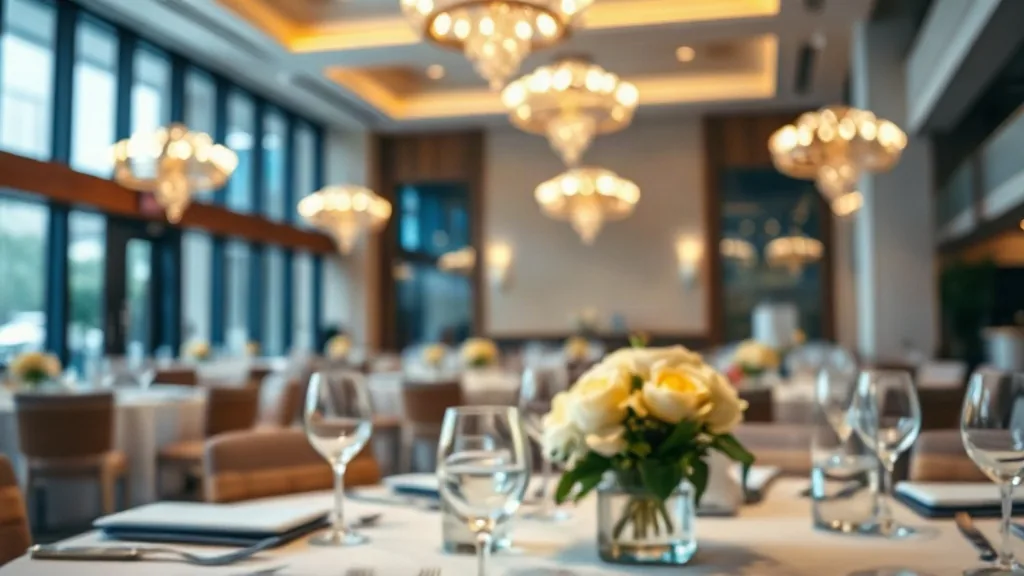
The linen is quietly the highest-value decor dollar in the room. A textured floor-length linen and a real napkin change every table photo, and the cost band is predictable; I keep the linen and china cost band by tier handy so I know when a quote is inflated. And when I’m building a lounge or filling a blank space, I source it through furniture rental rather than decor markup using my furniture rental sourcing approach, which is usually 30 to 50% cheaper than letting the florist supply the same pieces.
The venue does half the work for free
The room you pick determines how much decor you even need. A blank event venue or a warehouse is a floor you have to dress entirely, and the decor budget balloons to make it feel finished. A historic mansion shows up already styled: architectural detail, existing chandeliers, a staircase that photographs itself. You’re accenting, not building. A banquet hall sits in the middle, usually with house linens and a neutral room that takes light well.
I factor that into the decor number before I book. Spending $30,000 to make a blank box feel warm, versus $10,000 to accent a mansion that’s already beautiful, is a real budget difference driven entirely by the venue. The cheapest decor decision is often the venue decision.
Design to the shot list
The practical move that ties this together: get the photographer’s shot list before you approve the floral proposal. If you know the photographer is shooting the stage, the entrance, six tables, and the bar, you know exactly which surfaces need the money and which don’t. Then you build the decor to the shots that will actually get used, and you stop funding the ones that won’t.
Beautiful in the room and beautiful in the deck are two different budgets, and the second one is smaller than florists want you to believe. Spend where the camera looks, use light and linen to do the heavy lifting, and let the venue carry what it can.
So before you approve a floral proposal: what’s the event type, how many tables, and what’s on the photographer’s shot list? Tell me those and I’ll show you which decor lines are earning their spot in the deck and which are just filling the room.


