
Gender-neutral restrooms and mothers' rooms: the venue reality
Two amenities that association and policy events now expect, and that most venues handle badly by default. Here is what the building actually offers, what you can convert on the day, and the language I put in the contract so it is not a surprise.
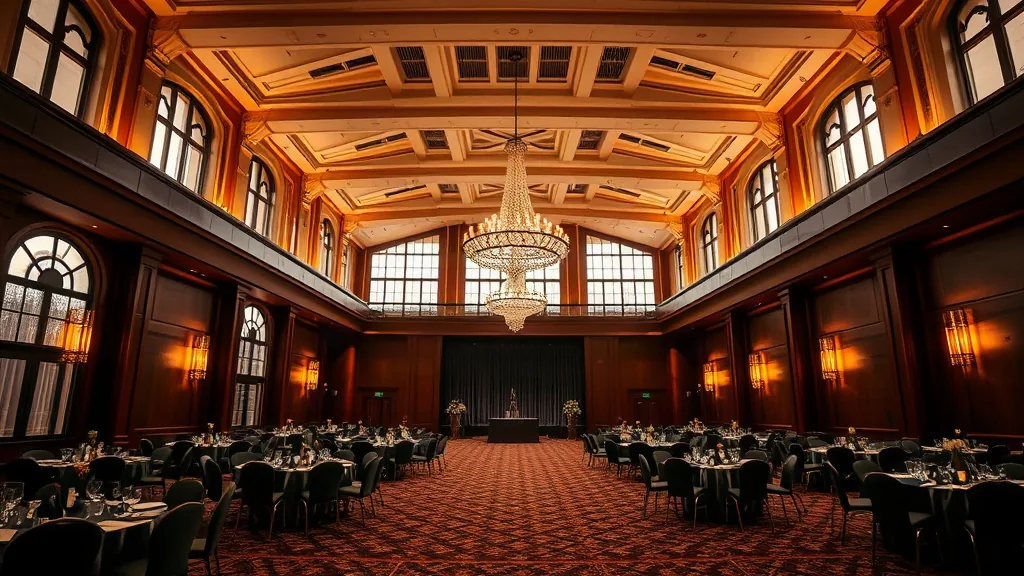
At a 600-delegate association meeting in Washington last spring, a member emailed our registration desk on day one asking where the nursing room was. The venue had told us “we have a room you can use.” What they had was a supply closet with a folding chair, no lock that worked from the inside, no outlet within reach, and a light on the corridor motion sensor that clicked off after 90 seconds. She was gracious about it. We were not prepared, and we should have been, because both of these amenities are now standard requests at the kind of convenings I run, and both are handled poorly by venues on autopilot.
Gender-neutral restrooms and a proper lactation room are not fringe asks. For association, government, and policy events, they are close to expected, and the delegates who need them notice immediately whether you planned or improvised. The good news is that neither requires construction. It requires asking the right questions on the site visit and pinning the answers in the contract.
Gender-neutral restrooms: what the building can actually do
Most venues have one of three situations, and you need to know which before you promise anything to delegates.
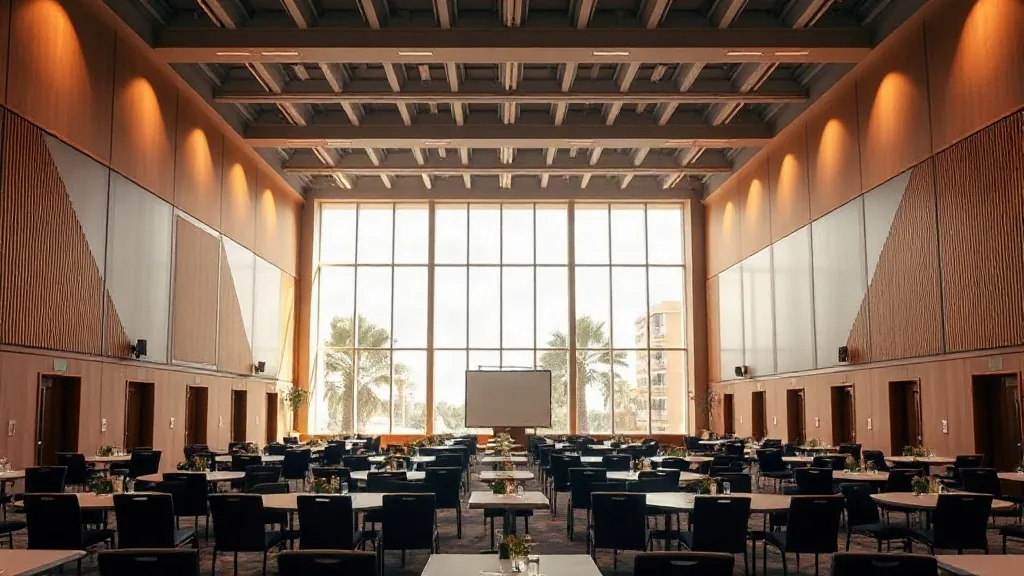
The first is a building with permanent all-gender single-occupancy restrooms already. Newer conference centers and many university rentals built or renovated in the last decade have these, often near the accessible restrooms. If they exist, get their locations for the signage and the program, and you are done.
The second, and most common, is a building with only gendered multi-stall restrooms and at least one single-occupancy accessible restroom you can designate as all-gender for the event. This is a signage exercise, not a plumbing one. You cover the gendered signs on a set of single restrooms with all-gender signage for your event dates, keep the accessible designation, and note them on the map. Cost is the price of temporary signs, call it $60 to $150 for a mid-size event. The venue rarely objects because nothing physical changes.
The third is a building that only has gendered multi-stall restrooms and no single-occupancy option anywhere near the event space. This is the one you want to discover on the walkthrough, not on day one, because your only real fix is to designate a bank of restrooms on a quieter floor and sign them clearly, which works but takes planning. The discipline for catching this is the same site-visit routine I use for everything else, laid out in how to run a venue site visit in 90 minutes: walk the actual restroom locations, count the single-occupancy options, and note the distance from the main room.
The lactation room is where good intentions go to die
The nursing-room failure is almost always the same. Sales says yes, nobody specs it, and a returning parent gets a closet. A room that actually works has a short, non-negotiable list, and I read it to the venue on the walkthrough.
- A door that locks from the inside, with a working occupied indicator or at minimum a sign.
- A comfortable chair with arms, not a folding chair.
- An electrical outlet within reach of the chair, because pumps need power.
- A small table or surface, and ideally a sink nearby or in the room.
- Lighting the occupant controls, not a corridor motion sensor that goes dark mid-session.
- Privacy: no glass, no shared use, and not the same room you designated as the quiet or first-aid space.
That last point matters more than people expect. I have seen venues try to make one room serve as lactation room, prayer space, quiet room, and medical station all at once, and it fails everyone. If your event needs multiple wellness spaces, budget for multiple rooms. At most hotels and resorts you are already holding more break-out space than the agenda uses, so the marginal cost is close to zero; it is an allocation decision, not a rental one.
Put it in the contract, not the email chain
A verbal “we have a room” is worth nothing when the person who said it is off that day. I add a short amenities clause to the contract that names both items in specific terms: the venue will provide a private, lockable lactation room with a powered outlet and a chair, and will permit designation of a set of single-occupancy restrooms as all-gender for the event dates at no additional charge. When a venue reads that back and hesitates, you have learned something before you signed rather than after.
The reason to formalize it is not distrust. It is turnover and handoff. The sales manager who agreed is not the operations lead who sets the room on event morning, and the banquet event order is what travels between them. If it is not on the paper the ops team works from, it does not exist. This is the same lesson that shows up across venue planning: the contract and the event order are the memory of the event, and anything living only in a friendly conversation is at risk.
Getting the walkthrough at a busy venue
The catch with all of this is that you need eyes on the actual rooms, and the venues that host the most association business are the hardest to get into for a site visit. My workarounds for that are in how to get a site visit at a fully booked venue, and they apply directly here: if you cannot get the ballroom, you can almost always get 20 minutes to see the restrooms and a candidate lactation room, because those are not booked space. Ask for that narrow tour specifically.

Brief the front line, because the questions come to them
The last piece is the people at the registration desk, because that is where the delegate asks. When a member walks up on day one and asks where the nursing room is, the answer needs to be a location and a key, delivered in five seconds, not a shrug and a radio call. I put both amenities on the same briefing sheet I use for medical and quiet-room response, and the reasoning is the one I learned from the attendee who had a medical event on day two: the front-line staff either has the answer ready or the delegate has a bad first hour. There is no third outcome.
None of this is heavy lifting. It is a walkthrough that includes the restrooms, a six-item spec for one room, two lines in the contract, and a briefing card. Do that and the amenity becomes invisible in the best way, because the delegates who need it simply find it working.
Tell me your delegate count, your host city, and whether your program runs multiple days. Multi-day events change the lactation-room math, and the city tells me which venues are likely to have the permanent all-gender restrooms already built in.


