
Hiring interpreters and renting translation booths
Simultaneous interpretation runs two linguists per language per booth, and the booth itself is a rental most planners forget until the AV quote lands. Here's how the pairs, the ISO booth spec, and the receiver count actually price out, and where the room you booked either helps or fights you.
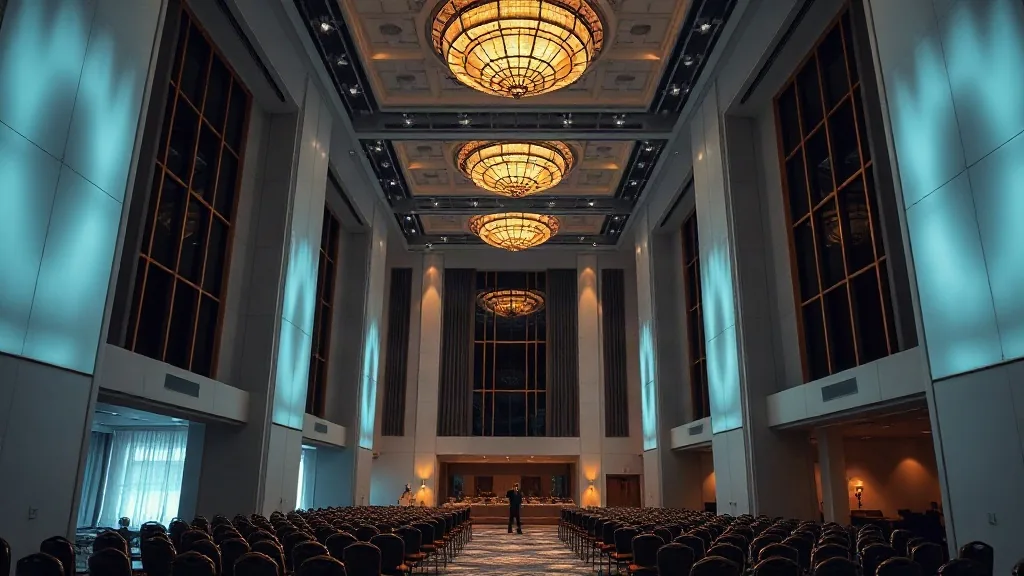
The first time I priced simultaneous interpretation for a three-language association summit, the number that surprised me wasn’t the interpreters. It was the booths. Two ISO-standard interpretation booths, delivered and struck for a single day, ran about $2,400 before I’d hired a single linguist. I had budgeted for people and forgotten the little soundproof rooms they sit in.
I plan a lot of convenings where the audience speaks more than one language, and the mistake I see most is treating interpretation as a translator line item you add late. It’s a system: the linguists, the booths, the transmitters, and the receivers in every attendee’s hand. Get any one wrong and the other three don’t matter.
Two interpreters per language, always
This is the rule people push back on hardest, and it’s not negotiable. Simultaneous interpretation, the real-time kind where the linguist speaks while the speaker speaks, runs two interpreters per language pair per booth. They swap every 20 to 30 minutes because the cognitive load is closer to air traffic control than to speaking. One interpreter for a full day is not a budget win. It’s a quality collapse by the mid-morning break, and your non-English speakers spend the afternoon confused and quiet.
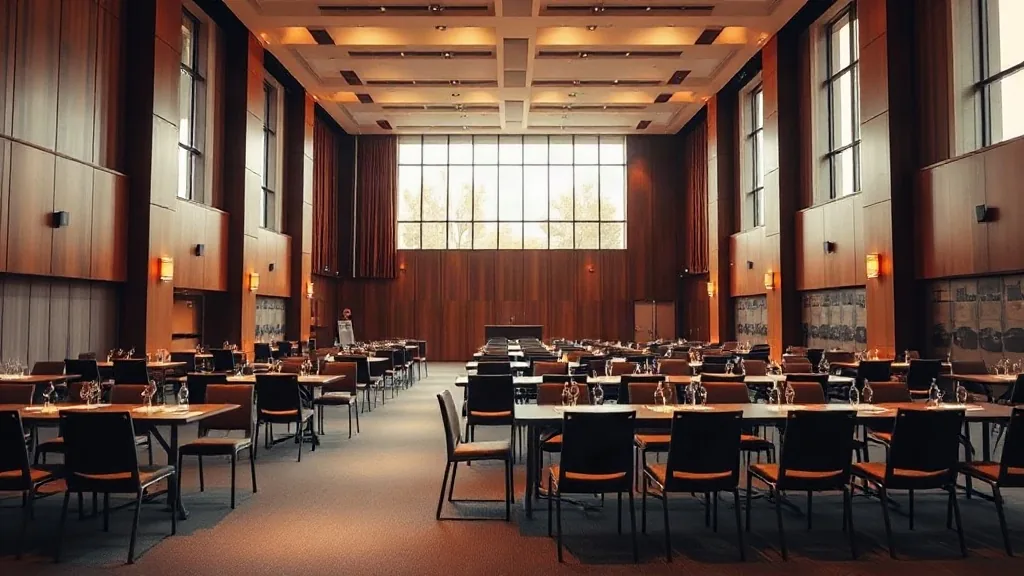
So a two-language event, say English plus Spanish, is not two interpreters. It’s two interpreters in one booth. Add Mandarin and you’re at four across two booths. Day rates for conference-grade interpreters run $650 to $1,200 each depending on the city and the language rarity, and they bill a full day even for a half-day agenda because they block the date.
For a DC policy summit with English, Spanish, and French, I plan six interpreters, three booths, and I stop pretending I can shave it to four. I’ve tried. The delegates notice.
If you want the full cost picture across languages and formats, I laid it out in interpretation and translation cost for multilingual events. The short version: the linguists are the biggest line, but they’re rarely the one that surprises people.
The booth is a rental with a real spec
An ISO 4043 interpretation booth is a freestanding soundproof enclosure, roughly 5 feet by 5 feet, with a window, a work surface, ventilation, and a light. It’s not a pipe-and-drape corner. The soundproofing is the point: two booths side by side each carry a different language, and they can’t bleed into each other or into the interpreter’s microphone.
Full booths run $900 to $1,400 each per day delivered. Tabletop booths, the smaller three-sided units that sit on a table, cost less, around $400 to $600, but they don’t fully isolate sound and I only use them when the room genuinely can’t fit full units. The interpreters can tell the difference, and tired interpreters in a leaky booth make more errors.
The booth also needs a technician, and that’s a line planners drop. One AV tech runs the transmitters, the booth audio feed, and the receiver desk, and for a full day that’s another $500 to $900 depending on the city. Skip it and the first time an interpreter’s channel drops mid-session, nobody in the room knows how to fix it and 90 delegates lose the audio at once.
The booths also need a sightline to the stage. If your interpreter can’t see the speaker’s face and the slides, they’re interpreting blind, and that’s where numbers and names get dropped. I walk the room before I sign and I find the spot where two booths fit with a clean view of the lectern. Sometimes that spot doesn’t exist, and that changes which room I book.
Receivers are a headcount math problem
Every attendee who needs a language gets a bodypack receiver and a single earpiece. These rent at $4 to $8 per unit per day, and the count is where people either overspend or run short.
You don’t need one per seat. You need one per attendee who needs interpretation, plus about 15 percent. For a 300-person summit where maybe 90 delegates need Spanish or French, I order 105 receivers, not 300. But I confirm the split with the host organization first, because guessing wrong means a line of people at the receiver table with nothing in their ear when the keynote starts.
Sanitizing and redistributing receivers between sessions is real labor. Budget an AV tech to manage the receiver desk, or you’ll have your registration staff wiping down earpieces instead of checking people in.
Interpretation also isn’t the only access service in the room. Deaf and hard-of-hearing attendees need captioning or ASL, and that’s a separate booking with its own sightline and staffing rules, which I cover in captioning and ASL at corporate events. Plan both at once, because they compete for the same clean view of the stage.
The room either helps or fights you
Where you hold this matters more than planners expect. A conference center built for this work often has interpretation booths permanently installed at the back of the main hall, wired to the house system. When that’s true, my booth rental line goes to zero and I’m only paying for people and receivers. That single fact can swing an $8,000 interpretation budget by a quarter.
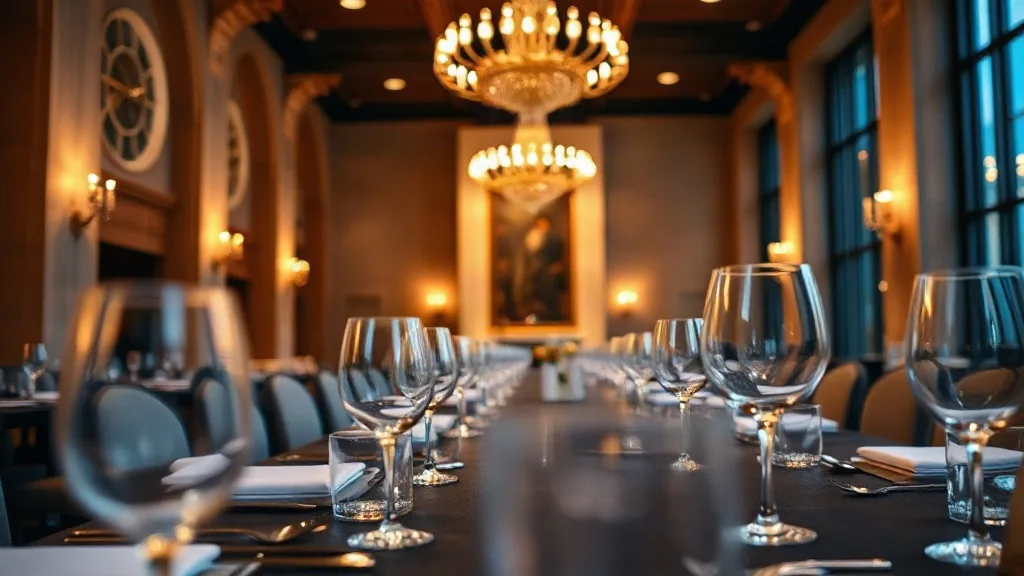
A hotel or resort ballroom almost never has fixed booths. It has a beautiful room and a house AV team that will happily add interpretation as a rental on top of their package, at their markup. Ask during the site visit whether interpretation booths are available in-house or come through an outside vendor, because the answer moves the price and the load-in schedule.
A convention center is the reliable middle. Big enough to place booths with a clean sightline, usually experienced with multilingual programs, and staffed with people who’ve run a receiver desk before. For a large association meeting with three or more languages, that’s where I default.
Book the linguists before the room fills
Conference interpreters in a given language pair are a small pool in any city, and the good ones book months out. For a spring summit in DC, I’m confirming interpreters in January, before I’ve even finalized the agenda, because the date is the thing they block, not the content.
I send them the agenda, the speaker list, any acronyms, and the technical glossary at least two weeks ahead. An interpreter who’s seen your terminology delivers a cleaner day than one hearing “carried interest” or “cloture” for the first time at the microphone. Prep is the cheapest quality upgrade in the whole system, and it costs nothing but a document.
If you’re building a multilingual program, tell me the languages, the delegate split, and whether the venue has fixed booths. Those three answers tell me whether your interpretation line is $6,000 or $16,000, and we can plan the room around the number instead of the other way around.


