
Captioning and ASL at corporate events: booking it right
Live captions and sign-language interpreters fail for boring, fixable reasons: no audio feed, no internet drop, one interpreter for a six-hour day. Here is how I book both so they actually work, and what each one costs.
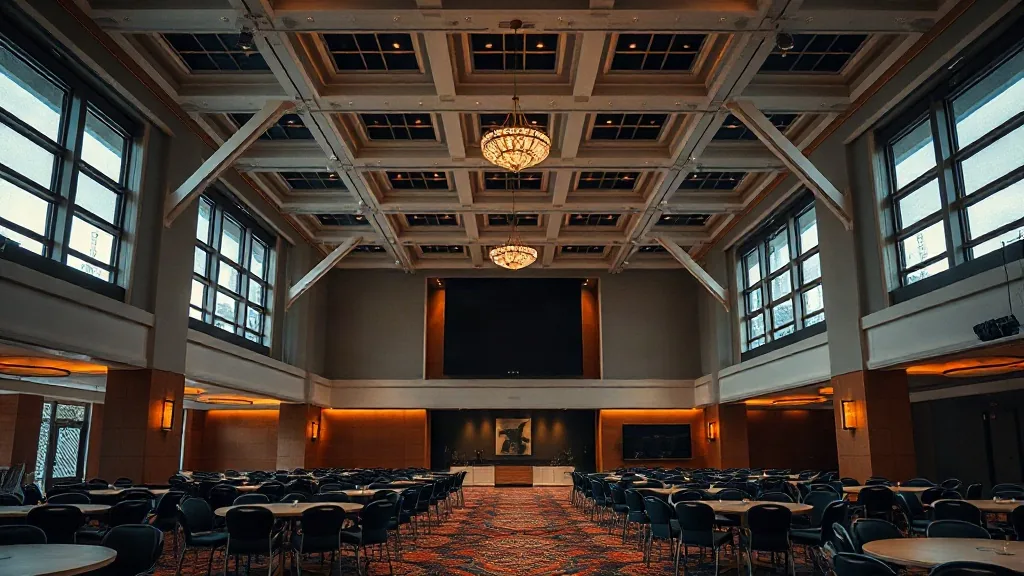
The first time I booked live captioning, I did everything right except one thing, and that one thing broke it. I hired a good remote captioner, confirmed the display, tested the screen. Then the venue’s guest wifi hiccuped during the keynote, the captions froze mid-sentence, and a room with three deaf attendees watched a blank feed for six minutes while my AV lead scrambled. The captioner was fine. The internet was the failure, and it was my job to have caught it. That event cost me a lesson I now build into every booking: captioning and interpreting fail on logistics, not on talent.
Both accommodations are more common requests than planners expect, especially for healthcare and public-facing corporate events where the audience is broad. Neither is exotic to book. Both have three or four failure points that are entirely preventable, and the prevention is cheaper than the panic fix.
Live captioning: the audio feed and the internet drop
CART captioning, the live-transcript kind, needs two things from the venue that AV does not provide by default, and if you do not name them, they will not be there.
The first is a clean audio feed to the captioner. A remote captioner is listening to your event to transcribe it, and if they are catching room audio through a laptop mic, the accuracy falls apart the moment someone steps off-mic. What they need is a direct feed off the sound board, either a dial-in line or an internet audio link. This is a five-minute setup for the AV team if you ask in advance and a change order if you ask on site.
The second is a wired internet connection for the captioner and the display, not guest wifi. This is the mistake I made. Guest wifi is shared, throttled, and the first thing to buckle when 300 phones are on it. A hardline drop to the captioning display costs the venue almost nothing and is the difference between captions that hold and captions that freeze. When I scope AV now, the captioning feed and the internet drop are line items, right alongside the microphones, using the same approach I lay out in how to scope av for a conference.
Budget-wise, remote CART runs roughly $120 to $200 per hour, with a two-hour minimum common. On-site CART is higher, closer to $150 to $250 an hour plus travel. For a single-day general session, remote is usually the right call as long as the audio feed and the hardline are solid, which is exactly the hybrid-delivery discipline I covered in hybrid event av reality check: a remote service provider is only as good as the connection you give them.
ASL interpreting: two interpreters, always, for anything long
The rookie mistake with sign-language interpreting is booking one interpreter for a full day. Interpreting is intense cognitive work, and the standard for any assignment over about an hour is a team of two who swap every 15 to 20 minutes. Book one for a six-hour conference and by the afternoon the quality drops and you are asking a person to do something the profession does not do solo.
So the first rule is: anything past an hour, budget for two. Rates vary by market, but plan on $75 to $150 per interpreter per hour, usually with a two-hour minimum, and a full day for a team of two lands in the $1,200 to $2,000 range depending on the city. That number surprises finance clients until I frame it the way I frame everything for them: it is a fixed, known cost booked in advance, which is always cheaper than the rush-rate version.
The second rule is placement and light. The interpreter needs to be positioned where the deaf attendees can see both them and the speaker without turning their heads back and forth, and they need to be lit. A theater or performing-arts venue already thinks about sightlines and a follow spot, so interpreting is a natural fit there. A hotel ballroom with a dark house left of the stage is not, and you will need to add a small light on the interpreter, which is one line for the lighting tech if you ask early.
What the venue owns versus what you own
This is the split that trips people up. The captioner and the interpreters are yours to hire; you cannot expect the venue to source them, and you should not want them to. What the venue owns is the infrastructure: the audio feed off the board, the hardline internet, the display or confidence monitor, the interpreter lighting, and the physical placement.
So the booking splits into two tracks. You book the human services from a captioning agency and an interpreting agency, ideally three to four weeks out because good ones book up. You put the infrastructure in the AV scope and the contract with the venue. When I brief the AV vendor, I hand them the accommodation requirements as part of the main sheet, not as a late addition, using the briefing structure in how to brief an av vendor. A captioner with no audio feed and an interpreter standing in the dark are both venue-infrastructure failures wearing an accommodation label.
The confirmation checklist I run the week before
A week out, I run a short confirmation pass, because this is where the gaps surface while there is still time to fix them.
- Captioner has the dial-in or audio link, tested against the actual board, not promised.
- Hardline internet drop confirmed at the display location, not guest wifi.
- Two interpreters confirmed for anything over an hour, with the swap schedule agreed.
- Interpreter placement and lighting walked with the AV lead.
- Display or confidence monitor sized and positioned for the deaf and hard-of-hearing seating.
- A named person on the AV team who owns the accommodation feeds during the show.
That last line is the one that would have saved my frozen-caption keynote. When something goes wrong mid-session, you need one person whose job is the accommodation feed, not a general “someone will handle it.” For conference centers with in-house AV, that person is often already on the crew; for a hotel or resort using an outside vendor, you assign it explicitly.
Book it like it matters, because to someone it does
Captioning and ASL are not favors and they are not overhead. For the attendees who rely on them, they are the difference between attending your event and watching it happen without them. The services cost real money, but the money is predictable and the failures are not about money at all; they are about a missing audio feed and a wifi network you trusted.
Send me your session length, your headcount, and whether you already know you have deaf or hard-of-hearing attendees registered. Session length tells me the interpreter math, and knowing your audience in advance is what lets me book the right accommodation instead of scrambling to add it after registration closes.


