How to Book a Historic Mansion for a Corporate Event
Historic mansions offer exclusivity and visual impact that no purpose-built venue can match, but preservation restrictions, COI requirements for irreplaceable structures, catering exclusives, and limited load-in windows create constraints that require planning far earlier than for a standard venue.

A historic mansion for a board dinner or a pharmaceutical advisory board meeting sends a specific message: this is not a routine gathering. The venue says something about the seriousness and discretion of the host. I’ve booked mansion events in DC, Philadelphia, and Charleston, and every one of them required a layer of logistics management that a hotel booking doesn’t. Not more difficult, but different. The restrictions are real. Work within them and the format is exceptional.
What makes a historic mansion usable for corporate
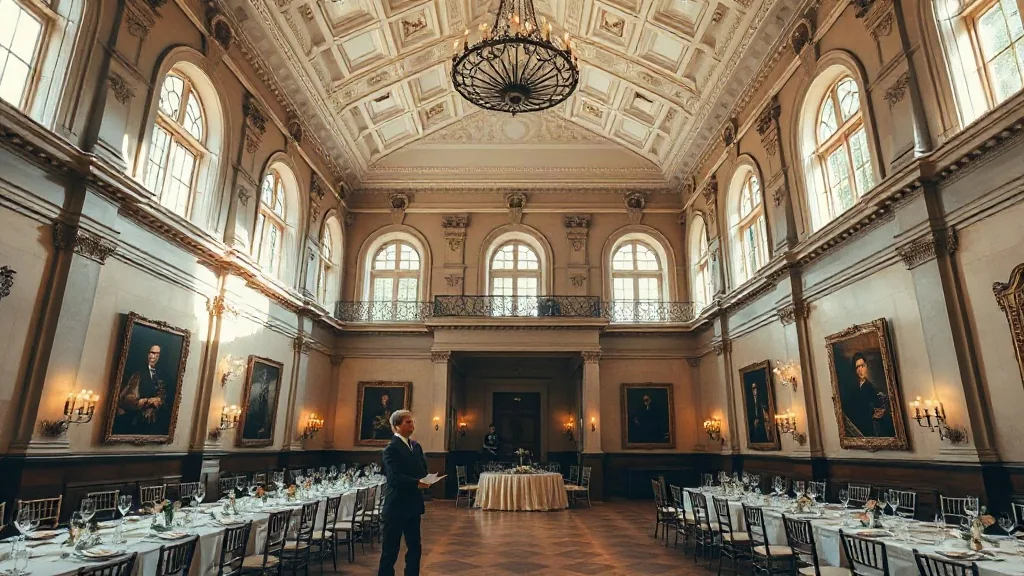
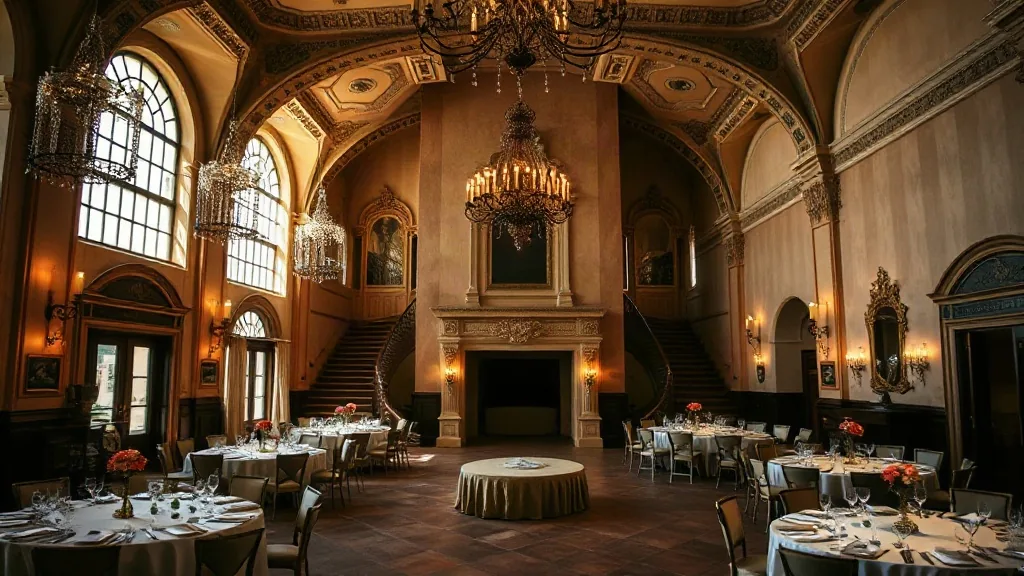
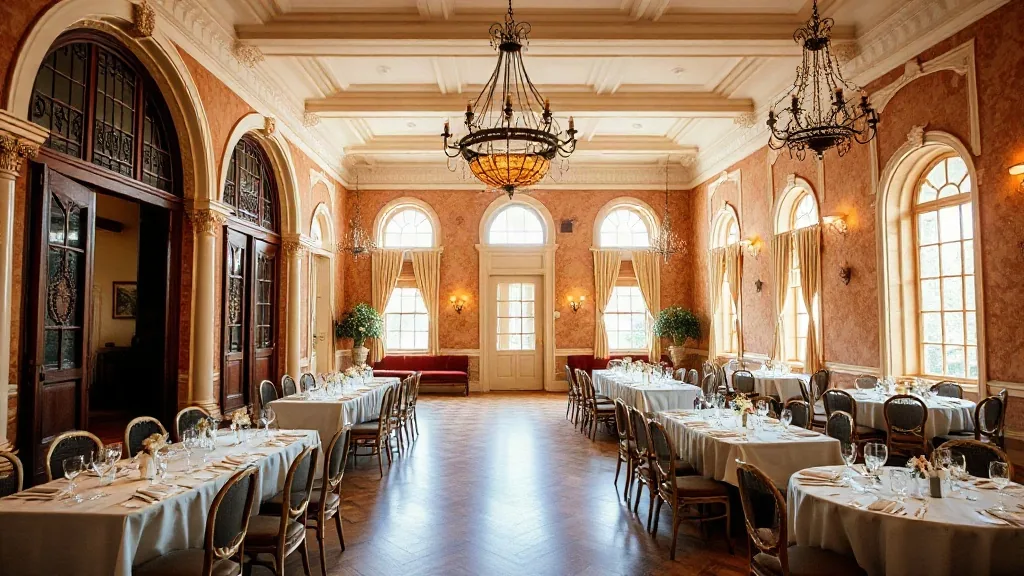
The most functional historic mansions for corporate events share a few characteristics. They have a formal dining room seating 20 to 60, a library or drawing room that serves as a breakout or cocktail space, and a main hall or foyer that handles the arrival and cocktail hour. Some have carriage houses, garden pavilions, or purpose-converted event wings that extend capacity to 150 or 200.
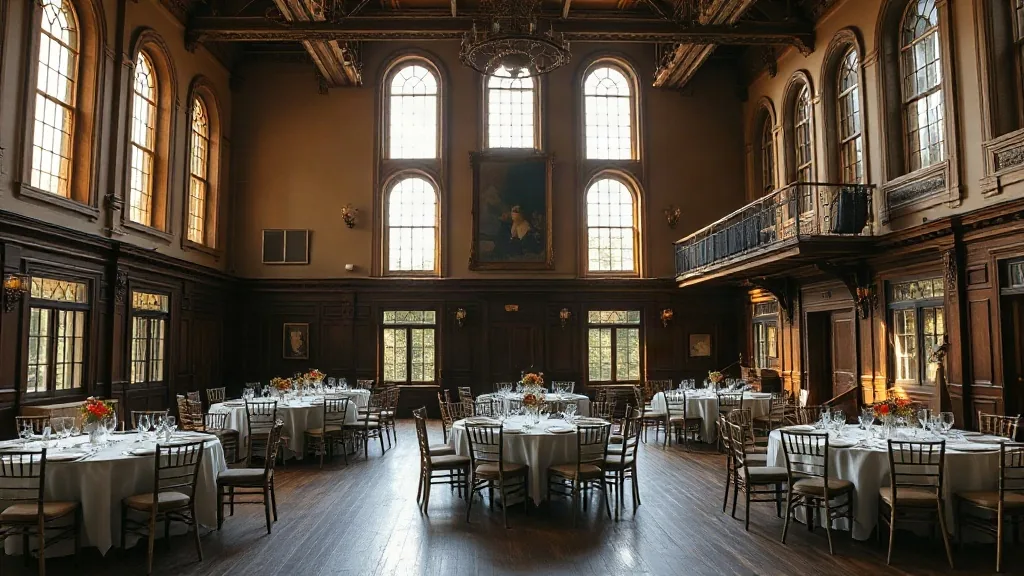
The sweet spot for historic mansion corporate bookings is 20 to 80 guests. At that scale, the space feels exclusive and intimate. Below 20, it can feel like overkill. Above 100, most mansions start compromising on the aesthetic that made them appealing in the first place (guests in corridors, tables crowding against historic wallpaper).
If you need 200 or more guests, a historic mansion is probably the wrong venue unless it has a purpose-built event wing or substantial garden space. The rooms that made the property historic are rarely large enough for a corporate event at that scale.
Preservation restrictions: what’s typically prohibited
Historic preservation organizations, trusts, or local landmark commissions govern most properties of this type. Even privately owned mansions on the National Register often carry deed restrictions. Standard prohibitions:
Adhesives: No tape, command strips, poster putty, or adhesives of any kind on walls, woodwork, or historic surfaces. This includes the walls where you’d want to hang signage, projected logos, or event graphics. All signage must be freestanding.
Confetti and loose decor: Prohibited universally. Confetti, glitter, loose flower petals, and similar materials get into historic flooring joints, upholstery, and window hardware and are nearly impossible to remove completely.
Floor spike or anchor fixtures: No stakes, screws, or anchors into floors, walls, or grounds. This affects tent rental on the grounds, certain audio speaker stands, and bar structures.
Open flame: Candles are often permitted in enclosed glass holders only. Open flame (chafing dishes with Sterno in certain configurations, torches) may be prohibited entirely in some properties.
Flash photography: Near oil paintings, historic wallpaper, or irreplaceable textiles, flash photography can cause cumulative UV damage. Some properties prohibit it. Brief your photographer before the event.
Get the preservation restrictions in writing from the venue before your planning begins. Building your event design around restrictions you discover at load-in is a common and preventable problem.
COI requirements for irreplaceable structures
The COI requirements for historic mansion events are higher than for most venues because the potential liability is higher. A stained-glass window from 1887 is not replaceable. A Tiffany-era fireplace surround is not replaceable.
Expect COI minimums of $2 to $5 million per occurrence for general liability, with the property’s trust or management entity named as additional insured. Some properties require a separate event insurance policy (not just a rider) with the property listed as a named insured, not just additional insured.
If your caterer, AV company, or decor vendor carries standard $1 million GL coverage, that may not satisfy the venue’s requirements. Check the venue’s COI requirements against your vendors’ policy limits before signing.
Some venue managers will walk you through the specific insured value of items in each room you’ll be using. This is worth knowing before your event design is finalized.
Catering exclusives at historic properties
Most historic mansions that operate as event venues work with a preferred caterer or a very small approved list. The reason is practical: caterers who work the property regularly know the specific load-in constraints, the kitchen (if any) or prep area capabilities, and the preservation rules. A new caterer in a historic mansion is a higher risk profile.
If the property has in-house catering, the food quality is often excellent because the catering team curates the menu to match the property’s tone. If it’s a preferred list, ask to review each caterer’s proposal and references.
Don’t try to bring in an outside caterer who isn’t on the approved list without explicit venue approval. The venue’s relationship with their caterers is partly a preservation-risk management strategy, not just a revenue arrangement.
Load-in windows and access constraints
Historic mansion load-in access is typically restricted. Delivery vehicles may not be permitted on the grounds, which means hand-trucking equipment from a nearby street or parking area. Freight elevators (if they exist at all) in historic buildings are small and slow.
Plan load-in at 4 to 6 hours before event start for a dinner with production elements. For events with significant decor, plan for 8 hours or a day-before access window.
Ask specifically: what is the narrowest doorway between the vehicle access point and the event space? This determines what furniture and equipment can physically enter the building.
Pricing structure at historic mansions
Historic mansion rental fees typically run $2,000 to $15,000 for an evening event depending on the property, its reputation, and the city tier. This fee covers the space; catering, AV, and decor are all additional.
Some properties are managed by preservation trusts or nonprofit organizations and include a charitable contribution in the rental fee. This is worth confirming for your company’s tax categorization. A rental fee that includes a $2,500 charitable contribution to a preservation trust may be partly deductible; a standard venue rental is not.
For properties that operate as commercial event venues on a regular basis, ask about bundled pricing or preferred vendor relationships that include some catering or decor. Some historic venues have longstanding caterer partnerships where the combined venue-plus-catering price is competitive with hotel alternatives at the same quality level.
Site visit protocol
Visit any historic mansion before signing. The site visit serves a different purpose than a hotel site visit: you’re not just checking room size and AV setup. You’re walking the load-in path, measuring doorway clearances, assessing the restroom capacity, and confirming that the aesthetic you saw in photographs is the actual event environment, not a best-angle shot of the one photogenic room.
Bring: a tape measure (for doorways and furniture clearance), a phone to document the load-in route and every room you’ll use, and a list of questions for the preservation staff about what’s allowed. Ask specifically to meet with the facility manager or caretaker, not just the events coordinator. The caretaker knows where the circuit breaker is, what the parking situation looks like in rain, and which rooms have flooring that can’t handle a catering cart. That information doesn’t appear in any brochure.
Browse historic mansions available for corporate events by state, or compare to country clubs for a similarly formal environment with better catering infrastructure.
For understanding the format decision between a historic mansion and a hotel for high-stakes events, Historic Mansion vs Hotel for a Pharmaceutical Advisory Board covers the COI and setup differences directly. For handling the load-in coordination, The Load-In Schedule for a One-Day Corporate Event gives you the vendor sequencing template.
What’s your approximate headcount and whether you have flexibility on the caterer? Those two factors determine which properties are accessible to you.