
The Load-In Schedule for a One-Day Corporate Event: by Vendor Category
Most planners underestimate how load-in conflicts between AV, catering, and floral compress setup time and degrade the final product. A specific time-block template that sequences vendor access for a 9am event start prevents the pile-up at the loading dock and gets you into the room ready to open on time.

At 6:45am on a Tuesday in March, I had an AV truck, a catering van, and a floral delivery van all trying to use the same service elevator in a 12-story hotel in downtown San Jose. The event started at 9am. The service elevator held one cart at a time. The caterers needed it for 14 trips. The AV crew needed it for 8. The florist needed it for 3. We ran the numbers in the parking garage and realized nobody was getting into the room before 8:15.
We made it. Barely. The AV was not tested on program audio before guests arrived. One mic had a ground loop. It buzzed for the first 20 minutes of the welcome session.
The lesson was about sequencing, not hustle.
Why load-in conflicts happen
Every vendor wants to arrive as close to the event start as possible because their setup time is your money. AV companies don’t want to pay a crew to sit in a hotel ballroom at 5am. Caterers don’t want food arriving four hours before service. Floral wants the arrangements in place as late as possible so they look fresh.
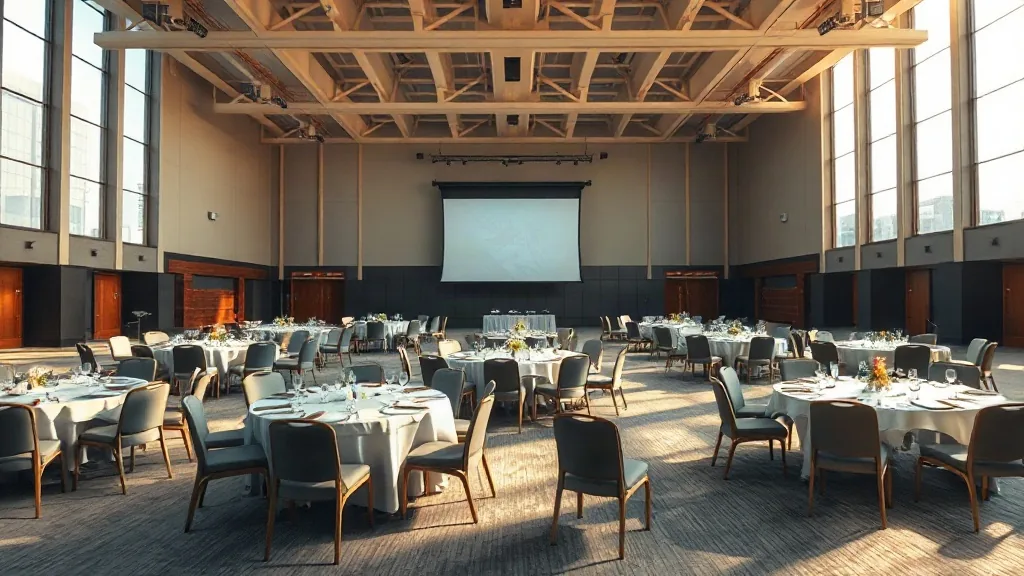
The problem is that a 200-person corporate event requires three to five vendor categories operating simultaneously in a single space, often with a shared access point, and each has a setup sequence that physically conflicts with the others.
AV needs the room quiet to run audio checks. Catering needs to wheel hot boxes across the carpet the AV team is taping down. Floral needs table access that the linen crew is still working on. None of these people see each other until they’re all in the room at the same time.
A load-in schedule eliminates that by defining who accesses the space in what order.
The template for a 9am event start
The schedule below assumes a ballroom-style event space with a standard service entrance and elevator. Adjust times based on your actual access window (how early the venue allows vendor entry) and venue size. The sequence, not the specific clock times, is what matters.
5:00am - 5:30am: AV crew arrives, equipment staging AV loads all equipment to the service elevator and stages inside the door. No setup begins yet; this is just getting gear into the room before other vendors arrive. If the venue has no overnight events, this window is often available at 5am. If a prior event ran late, adjust to 6am.
5:30am - 7:00am: AV setup and cable run AV crew runs cable, sets screen and projection positions, and establishes the audio snake. This 90-minute window is why AV goes first: once cable is run under carpet and tables are set on top, you cannot move the cable without resetting the entire room. Everything else sequences around the AV cable run.
6:00am - 6:30am: Linen crew enters (can overlap with AV) Linen is quiet work that doesn’t create foot traffic across AV cable runs. Tables get set with linens before chairs or place settings. Linen crew is out before catering arrives.
7:00am - 8:00am: Catering setup and staging Once AV cable is down and tables are set, catering enters with their equipment. Buffet stations are built, bar is stocked, and food staging areas are established. Catering is the longest single-vendor window because they’re working across every surface in the room.
7:30am - 8:00am: Floral delivery (end of catering window) Floral enters during the final 30 minutes of catering setup. They work around caterers at table level. Both teams move out by 8am.
8:00am - 8:30am: AV audio and video check Room is clear. AV crew runs full audio test, video test, and click-through of the presentation. This is the only undisrupted tech-check window before guests arrive. Thirty minutes is enough for a simple setup; 45 minutes for a multi-mic, dual-screen event.
8:30am - 9:00am: Planner walkthrough Final walk with the venue contact and one representative from catering and AV. Confirm mic placement, confirm catering count, confirm signage, confirm seating assignments if applicable.
9:00am: Doors open
Variables that shift the schedule
Loading dock competition. If your venue has other events on the same day, you’re competing for the same dock and elevator access. Ask the venue coordinator two weeks before the event: “How many other events are loading in on our event day?” If the answer is three, your 5am start may actually be 6:30am. Adjust everything 90 minutes forward.
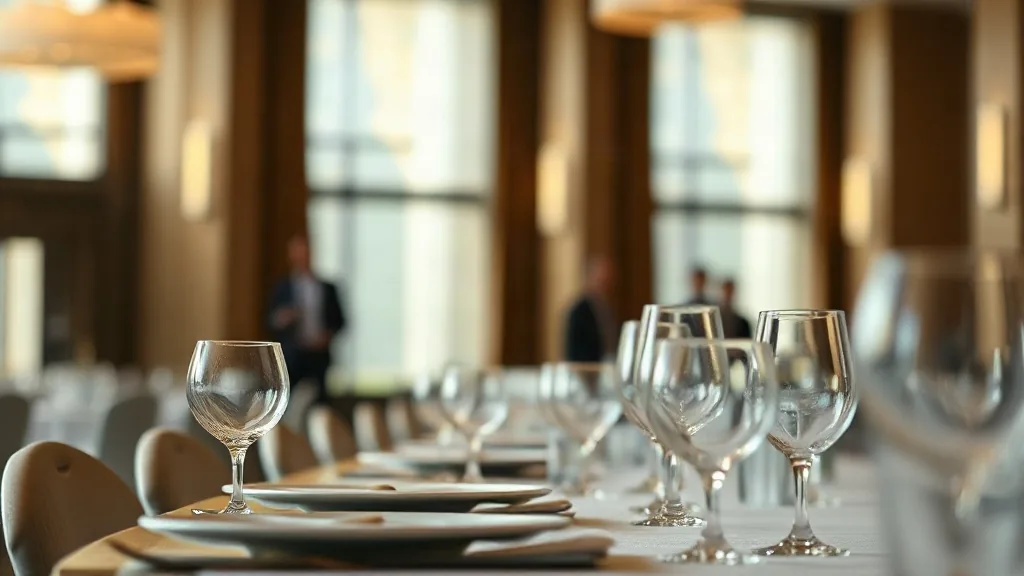
Venue access window. Many venues don’t grant vendor access before 6am for insurance or security reasons. If your access window is 6am-9am, you have three hours for five sequenced vendor categories. That’s tight. You need to confirm the actual access window in the BEO and negotiate it in the contract if needed.
Outside event venues and lofts and industrial spaces. These often have more flexible access windows because they don’t have other guests in the building to disturb. A 4am load-in is not unusual at a standalone event venue. This is one of the underrated operational advantages of a non-hotel venue for complex setups.
Floral complexity. An escort card table with 200 envelopes and bud vases is one hour of setup. A full botanical installation with hanging elements and custom centerpieces at every table is three to four hours. If your event has elaborate floral, either push floral to the earliest access window or plan the event around a later start time.
Conference centers. Purpose-built conference centers typically have managed load-in processes with venue-assigned time slots by vendor category. Ask for the load-in schedule from the venue coordinator at the time of contracting, not the week before.
Communicating the schedule
Send the load-in schedule to every vendor 10 days before the event and again 48 hours before. Include the venue’s service entrance address (not the main entrance), the dock number if applicable, and the name of the venue staff person who will be present at that time.
Add one line to each vendor communication: “Your access window is [time] to [time]. If you arrive outside this window, the space may not be available.” That’s the only language most vendors need to treat their window as firm.
Pull the schedule into the run-of-show document so your on-site contact can confirm each vendor’s arrival against the plan and flag gaps in real time.
One more thing: build a 30-minute buffer before doors open that isn’t assigned to any vendor. It’s for the problems you didn’t see coming. Because there are always problems you didn’t see coming.
What’s your event start time and your venue access window? Share those and I can tell you where the load-in is most likely to get compressed.


