How to Book a Museum for a Corporate Event
Museum after-hours buyouts create a venue experience that no purpose-built space can replicate, but artifact proximity rules, audio guide restrictions, and catering setup limitations require planning that most hotel-focused planners haven't encountered. This guide covers what's actually permitted, how to navigate the membership discount programs most planners overlook, and where the real costs are.

A museum buyout for 400 guests gives you something a hotel never can: three floors of exhibits that function as ambient programming, conversation starters, and a visual environment that costs more to replicate in decor than the venue rental fee. I’ve booked museum events for association galas and pharmaceutical advisory dinners, and the format earns a specific kind of goodwill from attendees. But the operational requirements are distinct enough that a planner without museum experience should understand them before signing.
Types of museum events
Museum events fall into two categories with meaningfully different terms.
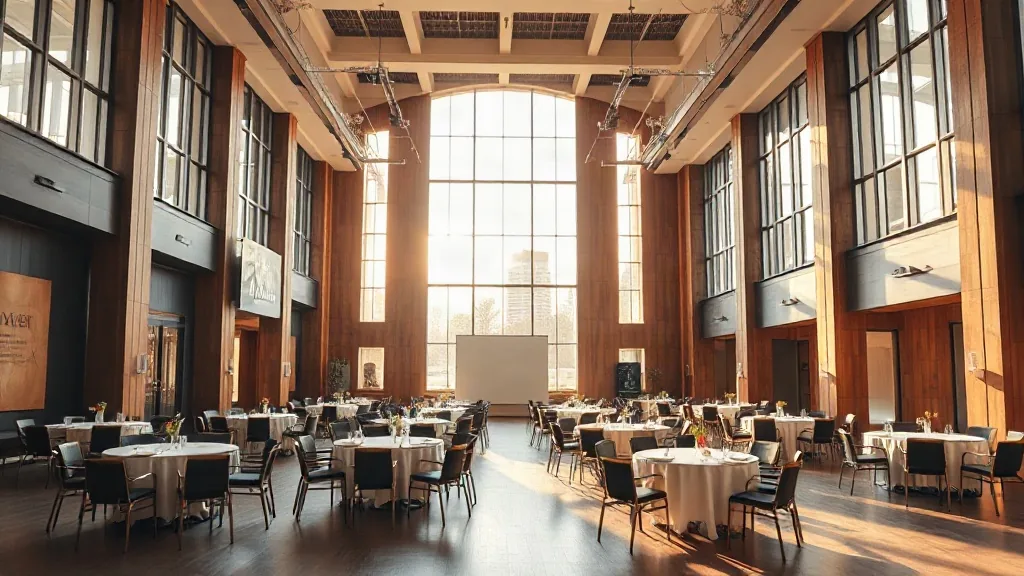
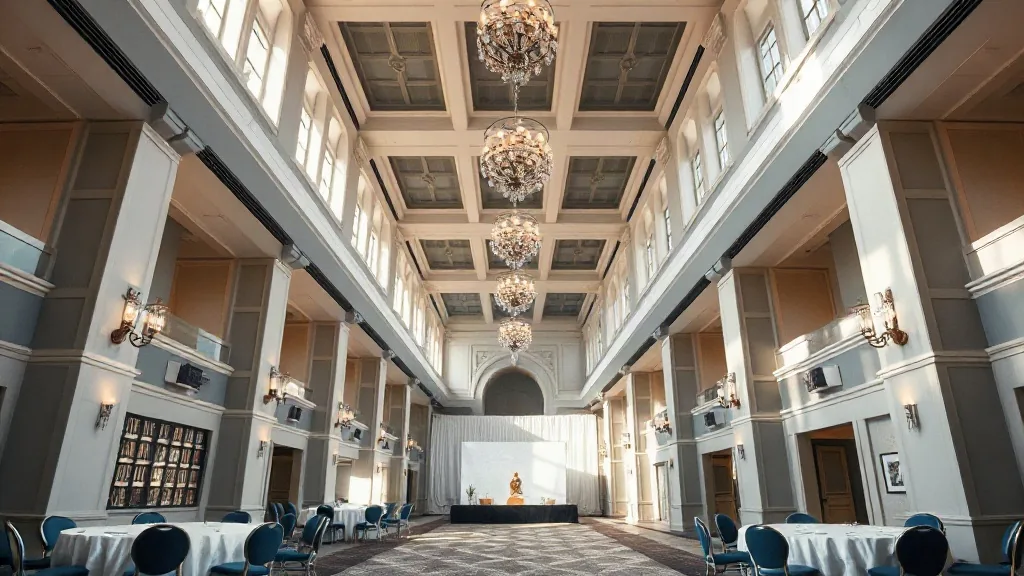
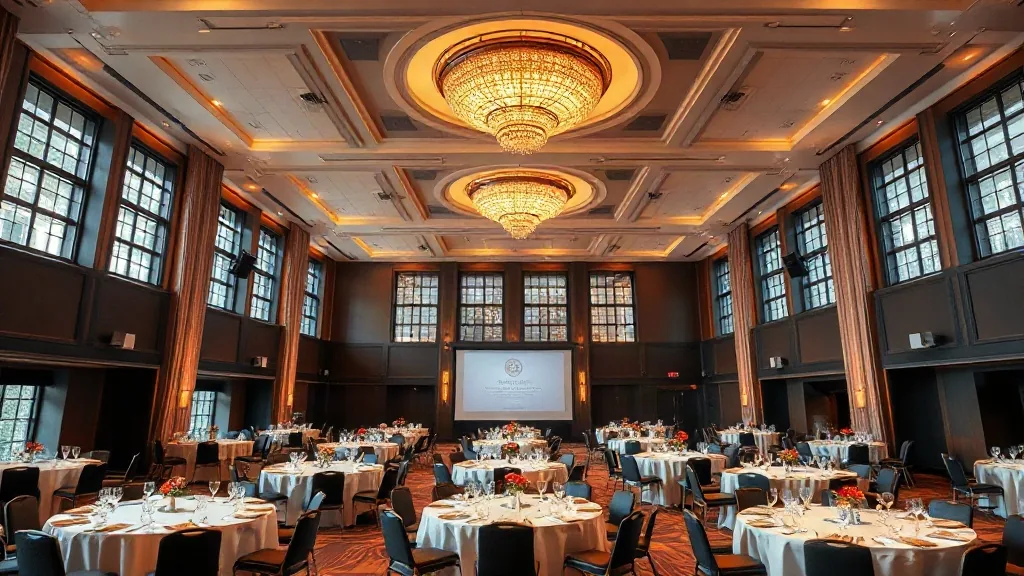
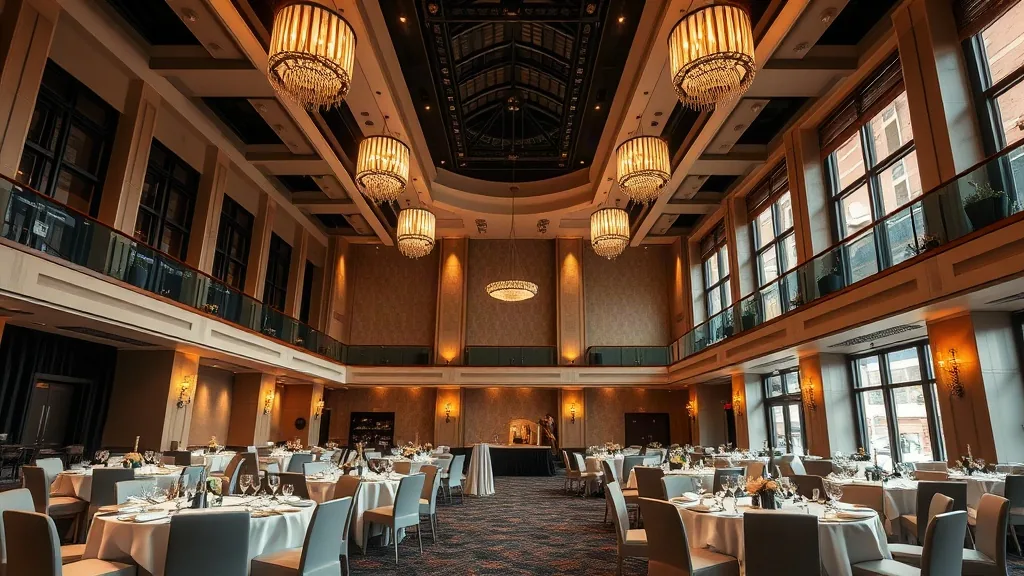
After-hours full buyout: The museum closes to the public, your guests have exclusive access to some or all of the collection, and your event runs for a defined window, typically 5:30pm to 10pm or 6pm to 11pm. This is the classic format and what most people picture when they think of a museum event.
Semi-private or partial buyout: Your event occupies a specific wing, hall, or event space while the public may still have access to other areas of the museum. Less common for corporate events but occasionally offered for daytime functions or smaller budgets.
For corporate purposes, the after-hours full buyout is almost always preferable. Sharing the building with public visitors during your event degrades the experience and creates logistical complications.
Artifact proximity rules
Every museum has proximity rules governing how close people, food, and equipment can be to displayed artifacts. These vary by museum and by the specific collection areas in use, but common standards:
- No food or beverages within 10 to 20 feet of original artworks or artifacts (the distance varies)
- No open flame in gallery spaces adjacent to textiles, paper, or organic materials
- No physical contact with any displayed object (communicated to guests at check-in)
- No aerosol products (hairspray, cooking sprays, fog machines) in gallery spaces
- Photography permitted but flash photography prohibited in specific galleries
The practical effect: your dining and catering areas will be in the museum’s purpose-designed event space, lobby, atrium, or rotunda rather than in the exhibit galleries themselves. Guests circulate through galleries as cocktail and reception space, but the catering infrastructure lives elsewhere.
Get the specific proximity rules for the spaces your event will use from the events coordinator before you design the event layout. Building a seated dinner plan around a gallery that turns out to have a 15-foot food exclusion zone is a real problem.
Catering setup limitations
Museums have specific catering access restrictions:
Kitchen access: Most museums have a catering prep kitchen accessible through a service entrance. It may or may not be a full production kitchen. Ask for the kitchen specs: burner count, oven capacity, refrigeration, and prep surface area. Some museum prep kitchens are adequate for 300-person hot meals; others are warming kitchens only that require the caterer to do more prep off-site.
Load-in route: Service entrances at historic museum buildings are often small and located away from the event space. Map the path from the loading dock to the catering setup area. If there’s a long route through public corridors or freight elevators with size limits, factor that into your setup time and your caterer’s quote.
Water access: For bar and catering stations, confirm where water connections are available in the event areas. Some atrium or rotunda spaces have no floor-level water access, which requires the caterer to bring portable water equipment.
Audio guide and collection management restrictions
For events in natural history museums and science museums that use audio guides or interactive touchscreen displays, ask whether exhibit content remains accessible during your event. Some museums lock interactive stations after public hours; others leave them active. If your event benefits from attendees exploring the collection independently, this matters.
For art museums, some galleries close during private events to protect high-value works from increased traffic risk. Ask which galleries will be open versus secured during your event and factor that into the guest experience.
The membership discount programs most planners miss
Many major museums have corporate membership programs that include discounted event rental rates, priority booking access, and recognition in event marketing. These programs are not widely advertised but are available to companies that pay annual corporate membership dues.
Corporate membership typically costs $2,500 to $15,000 per year depending on the institution and the tier. The event rental discount can be 15 to 30 percent below non-member rates. For a single $25,000 museum rental, a $5,000 membership that yields a $6,000 rental discount pays for itself immediately.
If your company books museum events more than once a year, or if you’re planning a recurring annual event at the same institution, ask about corporate membership before you sign the first contract.
COI and insurance requirements
Museum COI requirements are typically high due to the irreplaceable nature of the collection. Expect:
- General liability: $2 to $5 million per occurrence
- The museum named as additional insured
- Liquor liability rider if alcohol is served
- Some institutions require a separate fine art liability policy or a rider on your event policy
Confirm the insurance requirements early in the booking process. A $2 million GL policy is standard corporate coverage; $5 million may require a temporary event rider. Your broker can usually arrange this within 48 to 72 hours.
Museum categories and which work best for corporate
Museums fall into distinct categories that affect event suitability:
Art museums: Best for client dinners, galas, and events where the collection creates a prestige environment. Gallery access during the event creates the ambient experience; dedicated event spaces in atria or sculpture courts handle food service. The COI requirements are the highest in this category due to artwork values.
Natural history museums: Skeleton halls, dinosaur exhibits, and diorama galleries make exceptional after-hours reception environments. The ambient programming is built-in (guests explore the exhibits). Catering typically happens in the main hall or a purpose-built event space adjacent to exhibits. These institutions are often the most corporate-event-friendly category because they’ve built out event infrastructure to support their nonprofit revenue model.
Science and technology museums: Interactive exhibits give your guests something to do, which reduces programming pressure on you. Hands-on exhibits work well for tech companies and innovation-focused corporate clients. The interactivity angle also works for team-building receptions where unstructured interaction is the goal.
History museums: More variable than the other categories. Some history museums have dramatic exhibit halls; others are primarily document and artifact repositories with limited visual impact. Visit in person before committing.
For corporate events where the venue is meant to communicate something about the company’s culture or values, matching the museum type to the company’s industry or interests strengthens the experience.
Browse museums available for corporate events by state, or compare to aquariums for a similar after-hours institutional buyout format with an experiential element.
For the format comparison that answers the most common decision question, Art Gallery vs Museum for a Client Dinner covers the capacity and infrastructure differences directly. For understanding the COI process before the booking conversation, Venue COI Requirements: What’s Standard, What’s Excessive gives you the negotiation framework.
What’s your headcount and whether you need a sit-down dinner or can work with a standing reception? Those two factors determine which museum spaces are viable and which aren’t.