Art Gallery vs Museum for a Client Dinner: Which One Impresses the Right People
Galleries win on exclusivity and intimacy for under 80 guests. Museums have better catering infrastructure and credibility for 80-300. Cost and format guide here.

The distinction sounds subtle until you’re sitting in a client dinner at the wrong one. I’ve run events at both, and the failure mode for each is specific and predictable. A gallery that’s too small for the guest count makes every conversation feel crowded. A museum that doesn’t have an exclusive enough setup makes a 60-person dinner feel like a school trip.
Here’s the format guide by headcount, with the cost and catering infrastructure reality included.
Under 80 Guests: the Gallery’s Domain
A commercial art gallery with 2,000-4,000 square feet of exhibition space holds 60-80 guests standing reception-style without crowding. That density is intentional. Galleries are built for standing, for moving between works, for conversation at a natural distance. The room was designed to create intimate moments between people.
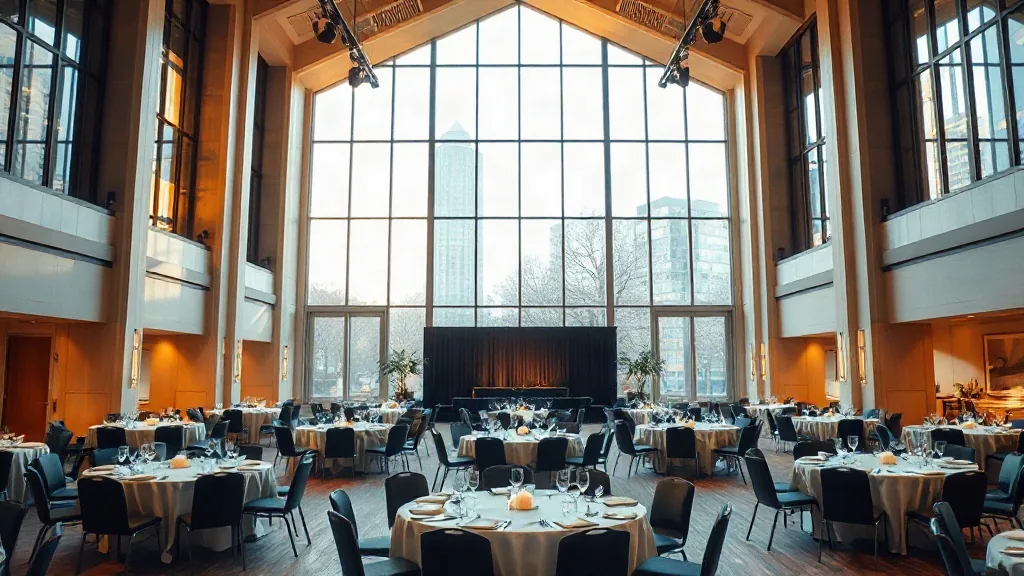
For a 50-60 person client dinner at a gallery, you’re typically looking at:
- A standing reception period of 45-60 minutes in the main gallery space
- A seated portion (if any) in an adjacent room, private office space, or outdoor courtyard
- External catering, since galleries rarely have in-house culinary programs
- External bar service with a licensed caterer
The exclusivity of a gallery buyout is real. When you bring 60 clients into a gallery that closed its doors to the public for your event, the experience reads as curated and rare. That’s worth something in client development. It’s harder to quantify than a cost-per-head line but it’s a real driver of client dinner ROI.
The catering limitation is also real. Galleries don’t have commercial kitchens. You’re relying on a caterer with a commissary setup who transports hot food to the space. For a 60-person dinner where food quality is part of the client experience, this adds $15-$25 per head in catering cost compared to a restaurant private dining room that plated food out of its own kitchen.
Typical gallery buyout cost for a 50-60 person event: $3,500-$8,000 venue fee plus $55-$95 per head in catering and bar (inclusive of staffing), totaling $8,000-$15,000 depending on city tier.
80-300 Guests: Where Museums Take Over
Above 80 guests, the gallery format starts to break down. A 100-person standing reception in a 3,000-square-foot gallery is uncomfortable within 30 minutes. You’ve created the crowding that a gallery is supposed to avoid, and you’ve lost the intimacy that justified the space.
Museums solve this problem with scale. A mid-size regional museum with 15,000-40,000 square feet of publicly accessible space can run a 150-person dinner without making the event feel like a fire hazard. The atrium, the grand hall, the courtyard: museum architecture creates natural event spaces that accommodate large groups while preserving a sense of occasion.
Museums also have better catering infrastructure. Not in-house catering in most cases, but they typically have preferred caterer relationships where the caterer has worked in the space before, knows the loading dock sequence, and has cleared the museum’s artifact-proximity rules in advance. That relationship translates to smoother execution.
The cost premium for a museum buyout is significant. An after-hours museum rental for 150 people in a mid-tier US city runs $8,000-$18,000 in venue fee, compared to $3,500-$8,000 at a gallery. But the infrastructure you get for that premium (better flow, existing caterer relationships, professional event management from the museum’s events coordinator) often justifies the gap.
Catering Infrastructure Comparison
| Factor | Art Gallery | Museum |
|---|---|---|
| In-house kitchen | Rarely | Occasionally (larger museums) |
| Preferred caterer program | Uncommon | Common |
| Loading dock access | Variable; often street-level only | Usually purpose-built |
| Catering setup space | Limited | Usually a staging area |
| Per-head catering cost premium vs restaurant | $15-$25 | $10-$20 |
| Alcohol licensing | External caterer required | Same; some have venue permit |
What the COI Requirements Look Like
Gallery buyouts often require $1 million in general liability plus a specific rider covering damage to artwork in the vicinity. That rider may require you to maintain a 10-foot buffer between catering setup and any exhibited work. In practice, this means your caterer’s table positioning is constrained by the gallery’s curatorial decisions, which are not always communicated in advance. I’ve had caterers have to reposition two serving stations 45 minutes before guests arrived because a painting we hadn’t noticed was within the protected zone.
Museums have more formalized event protocols. They’ve had the damage-to-artifact conversation with dozens of caterers and have refined the rules into a written policy. You get the policy upfront. The gallery gives you the rule when you violate it.
When to Choose Each
Choose the gallery if: your guest count is under 80, exclusivity and curation are central to the client experience you want to create, and your audience will appreciate contemporary art as a conversation backdrop.
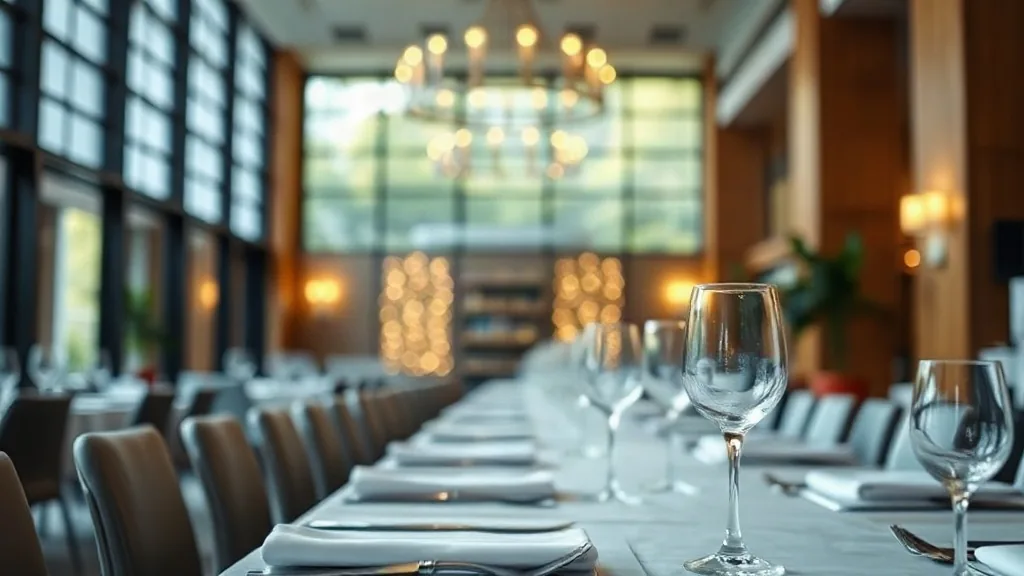
Choose the museum if: your guest count is 80-300, you need the catering infrastructure to support a plated dinner without food-quality compromise, or your audience is more oriented toward institutional prestige than contemporary curation.
One more consideration: the specificity of the collection matters. A gallery showing work by one artist creates a conversation anchor at your client dinner. A natural history museum atrium creates a backdrop that’s impressive but generically so. Match the collection to the client relationship you’re trying to build.
The Time Constraint Difference
Galleries and museums both have standard event end times driven by security and cleaning costs. Most commercial art galleries book a 4-hour maximum event window (typically 6pm-10pm) because their regular evening security shift ends at 10pm and overtime coverage costs $85-$120 per hour per guard.
Museums typically have a 5-6 hour window available for evening buyouts because the larger institutions maintain a dedicated events security team separate from their regular gallery security. A 5:30pm-11pm window at a mid-size museum is standard. At a commercial gallery, that same window may require two security staff at overtime rates, adding $340-$480 to your event cost.
For a client dinner that runs long (which good client dinners do), the museum’s built-in flexibility is worth noting.
Exclusivity and Access: What “Buyout” Actually Means
At a commercial gallery, a buyout means the gallery closes to walk-in public visitors and your 60 guests have the space alone. This is true exclusivity. No other visitors, no other events in the building, and typically one staff member managing the space who is familiar with every piece in the exhibition.
At a museum, “buyout” usually means after-hours exclusive access to the public-facing galleries. The museum may still have staff working in administrative areas, conservation labs, or collection storage. Some museums run multiple private events simultaneously in different wings. Your 150-person dinner may be sharing the building with a 200-person corporate reception on the other side of the atrium.
Ask the museum: “Are any other events booked in this building on our date, and will any non-event museum staff be present in the publicly accessible areas during our event?” The answers determine how exclusive your exclusive event actually is.
See the full directory of art galleries available for corporate events and museums with event spaces for current availability in your city. For the COI and catering setup details that distinguish these venue types in practice, see venue COI requirements and how to brief a caterer for a corporate event.
What’s your guest count and which city? Those two facts determine the answer faster than anything else in this comparison.