How to Book a Restaurant Private Dining Room for a Corporate Event
Restaurant private dining rooms are the most competitive venue option below 80 guests, but F&B minimum structures, prix fixe formats, AV limitations, and private entrance availability create terms that differ from every other venue category. This guide covers what to ask for, what's negotiable, and where the format breaks down.

For a 30-person client dinner or a 50-person executive reception, a restaurant private dining room beats almost every alternative on food quality per dollar. The kitchen is the restaurant’s main product, not a catering afterthought. The servers work the room daily and know the menu. The sommelier, if there is one, can actually talk to your guests. The ROI on food quality is better than any hotel banquet I’ve seen at the same price point. The format has specific constraints that you need to understand before you book, but they’re worth working around.
The competitive range for this format
Restaurant private dining rooms are the right call for 20 to 80 guests. Below 20, most restaurants aren’t interested because the revenue doesn’t justify blocking the room. Above 80, you’re pushing against the physical limits of most private dining rooms and competing with banquet halls that are designed for that headcount.
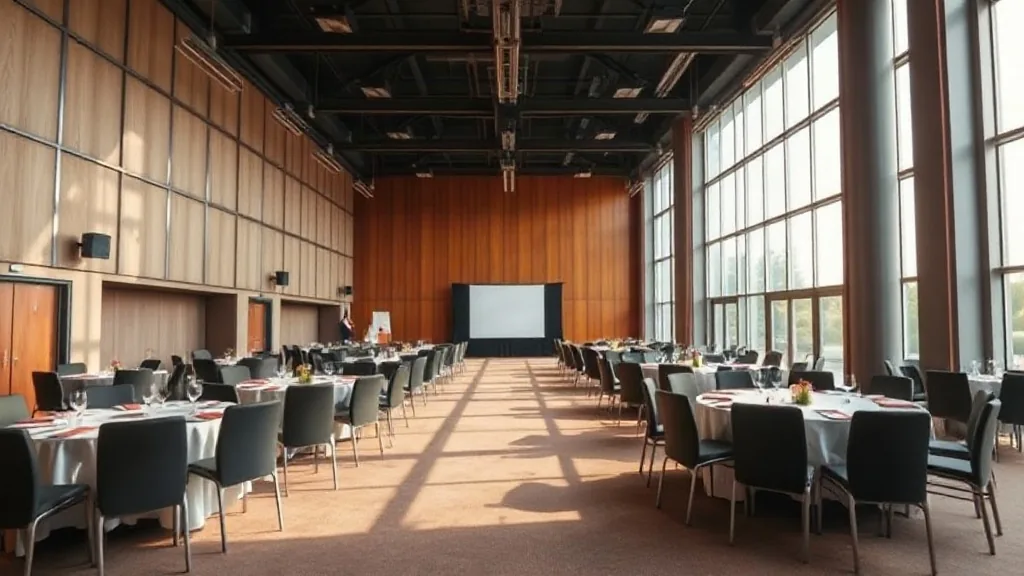
The sweet spot is 30 to 60 guests. At that size, the private room format delivers a genuine restaurant dining experience without the coordination complexity of a hotel or banquet hall event.
For events above 80 people that still want the restaurant quality experience, look at restaurants that have dedicated event spaces or restaurant buyouts rather than a private dining room. A full restaurant buyout at 120 guests is a different booking than a private dining room at 60.
F&B minimum structures and how they work
Restaurant private dining rooms don’t charge a room rental fee in most cases. They charge an F&B minimum: a floor on food and beverage spend that ensures the room generates enough revenue to justify the reservation.
F&B minimums for corporate private dining rooms typically run:
- Lunch: $800 to $2,500 depending on the restaurant tier and the room capacity
- Dinner: $2,000 to $8,000 at mid-tier restaurants; $5,000 to $20,000 at fine dining establishments in tier-1 cities
- Weekend premium: 10 to 25 percent higher than weekday minimums
The minimum is a floor. If your party naturally spends more than the minimum on food and beverages, you pay what you actually consumed (plus service charge and tax). If you spend less, you owe the minimum.
Important: the F&B minimum is almost always pre-service-charge and pre-tax. A $3,000 minimum becomes approximately $3,900 after a 20 percent service charge and 7 percent tax. Get the total all-in cost for your expected spend, not just the minimum number.
Prix fixe vs BEO format
Private dining rooms use one of two service formats:
Prix fixe: A set multi-course menu at a per-person price. You choose the menu in advance; guests receive the same courses. This is the simpler format to execute, better for food quality (kitchen knows exactly what’s being prepared), and more predictable in cost.
BEO (banquet event order): A standard corporate catering contract with menu selections from a simplified event menu. More flexibility for guests with dietary restrictions; slightly less food quality than prix fixe because the kitchen is managing more variations.
For client dinners and executive events where food quality matters, request prix fixe. It’s the format the kitchen prefers and the one that showcases the restaurant’s actual capabilities.
Sommelier and wine service
A restaurant with a dedicated sommelier will usually include the sommelier in your private dining service if requested. This is worth asking about for client dinners where wine is a focus.
Standard wine service: the sommelier presents two or three options at each price tier that pair with your menu and recommends based on your stated preferences. For a $150 to $250 per person dinner, wine service at $60 to $120 per person is reasonable.
If you’re bringing your own wine (corkage), confirm the corkage fee per bottle and whether there’s a limit on the number of bottles. Some restaurants cap outside wine at 2 bottles per table or charge $35 to $65 per bottle. Do this math before bringing your own; high-corkage restaurants make the economics unfavorable.
AV limitations
This is the most common pain point for corporate bookings. Private dining rooms were designed for dining, not presentations. The standard AV in a private dining room is often a flat-screen TV on a wall mount and, if you’re lucky, a Bluetooth audio connection.
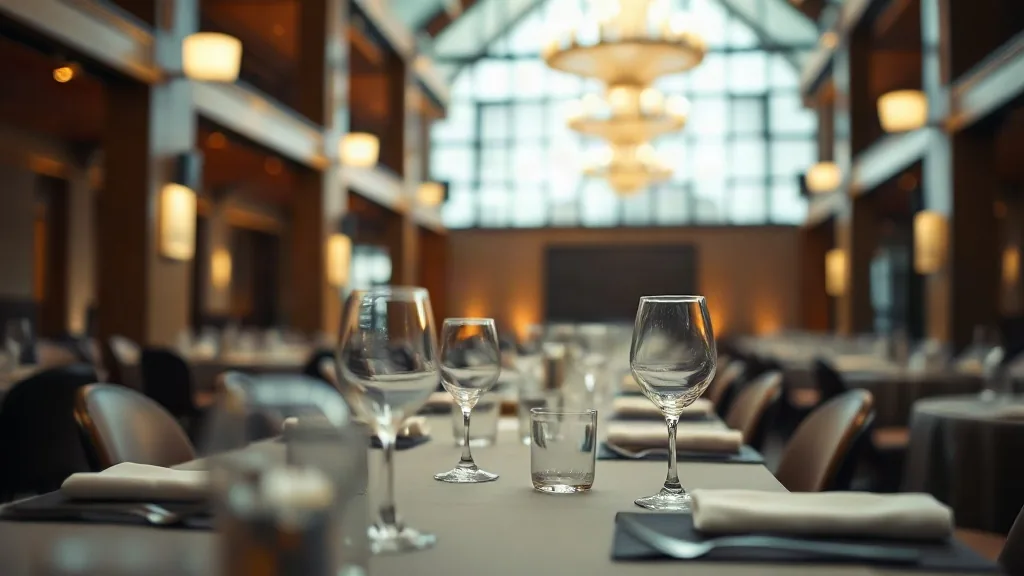
If your event needs a meaningful presentation (a large screen, multiple microphones, a recording setup), a restaurant private dining room is probably not the right venue. The limitations are structural.
For events where you need a 5 to 10 minute remarks presentation, a single-display setup works if the display is at least 65 inches and your group is under 40 people. For anything more involved, plan around the AV limitations or choose a different venue.
Private entrance and confidentiality
Some restaurant private dining rooms have a dedicated private entrance separate from the main restaurant floor. For events where client confidentiality matters (pharmaceutical advisory boards, legal strategy sessions, M&A-related gatherings), ask whether there’s a private entry path that doesn’t require walking through the main dining room.
If there’s no private entrance, guests may see other restaurant patrons or be seen by them on arrival. For most corporate events this doesn’t matter; for events with a confidentiality dimension it can.
Recurring bookings and relationship value
Restaurant private dining rooms reward repeat business more than almost any other venue category. A restaurant that knows your company will bring a 50-person client dinner twice a year will:
- Hold your preferred dates before they’re publicly available
- Accommodate menu customizations that one-off bookings don’t get
- Assign their best server team to your events
- Waive or reduce the corkage fee on outside wine
- Provide the sommelier for your events without a separate charge
The first booking at a restaurant is transactional. The third or fourth booking is a relationship. If your company has recurring client entertainment needs, identify two or three restaurants with strong private dining programs and become a repeat customer at each. The cumulative value of that relationship over three years exceeds what you’d gain from shopping a new venue each time.
This strategy also gives you a backup. When your primary restaurant has a conflict on a date you need, you call restaurant two, and they remember you. That’s not available to first-time inquiries in a tight booking window.
Browse restaurants with private dining for corporate events by city, or compare to country clubs for a similar food-quality experience in a more exclusive environment.
For understanding how the service staff ratio differs from a banquet hall, Banquet Hall vs Restaurant Private Dining Room for 100 Guests covers the operational comparison. For negotiating the F&B terms, The F&B Negotiation Script I Use on the Second Call covers the specific language.
What’s your headcount, whether you need AV, and whether food quality or room flexibility is the primary requirement? Those three priorities will confirm whether a restaurant private dining room is your best option.