How to Book an Aquarium for a Corporate Event
Aquariums are among the most requested after-hours buyout venues in the country, but the booking process looks nothing like a hotel or banquet hall. This guide covers after-hours windows, capacity realities, catering restrictions near tanks, animal-handling rules, and the COI language that actually gets you approved.

The first time I booked an aquarium for a 400-person client reception, I assumed it would work like any other standalone venue. Write the check, sign the BEO, hand off to catering. By day two of negotiations I realized I was working inside a nonprofit institution with its own animal-care calendar, a facilities team that answered to the curator before the events director, and a COI requirement I had never seen outside a stadium booking. That was 2019. I’ve done six aquarium events since. Here’s what I know.
Why aquariums work for corporate
The format sells itself. Guests move through lit corridors past 10,000-gallon tanks. The conversation starts without any programming from you. For a client reception or an awards dinner, that ambient experience covers a lot of production cost you’d otherwise spend on decor.
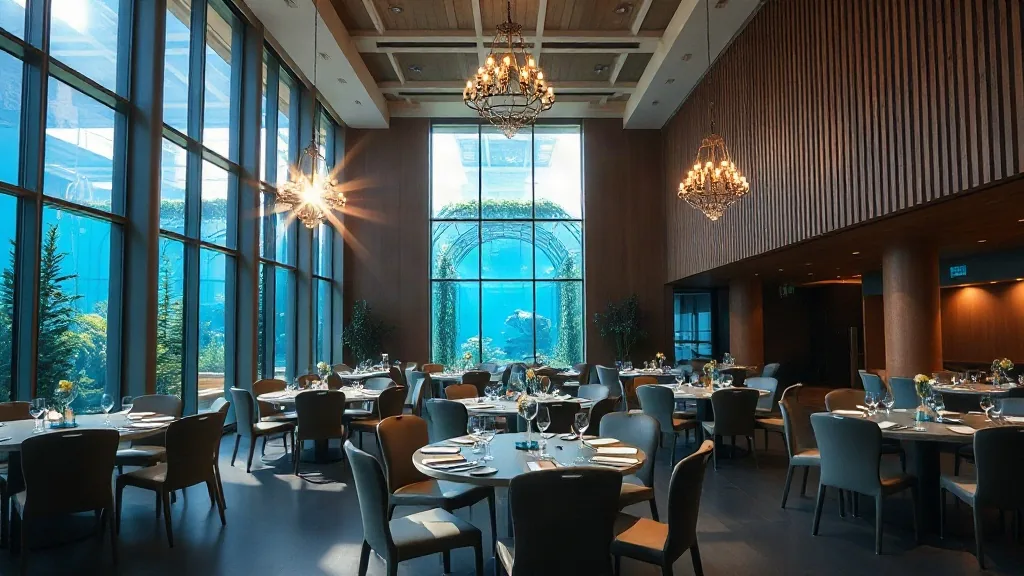
The practical case is also real. Most large aquariums hold 800 to 2,500 guests at full buyout, which puts them in the range of mid-size galas and end-of-year receptions. They’re typically downtown or waterfront, which means hotel proximity. And because they’re nonprofits running on membership revenue, they take corporate bookings seriously as a revenue source, which makes them responsive once you’re in the right door.
Finding the right contact
Don’t start with the main information line. Aquariums of any size have a dedicated events or venue rental department, usually 2-4 staff. Search their website for “venue rental” or “private events” and look for a direct email. If you call, ask specifically for the special events or group sales coordinator. The front-desk staff and education departments cannot help you.
Most major aquariums have a standard rate card but will negotiate on date flexibility. Peak dates are Friday and Saturday evenings from September through December. January through March are the softest months nationally.
After-hours windows and blackout dates
Aquariums are open to the public daily, which means your event cannot start until 30 to 60 minutes after public closing, depending on the facility. That transition window is non-negotiable because staff need time to secure animal exhibits and do a final safety sweep before guests arrive.
Typical public closing is 5pm or 6pm, which puts your earliest guest arrival at 6pm or 6:30pm. If you need a 5pm reception start, an aquarium is not your venue.
Annual blackout periods to ask about: spring break (March-April), summer Saturdays, and any weeks that coincide with major traveling exhibits. Some aquariums also restrict private events during school-year weekday mornings, which doesn’t affect evening corporate bookings but matters if you’re planning a daytime function.
Capacity and flow
Aquarium capacity figures in marketing materials are almost always the fire-capacity number for cocktail standing. Seated dinner capacity is 30 to 50 percent lower. A facility that claims 1,500 for a reception will seat 700 for a dinner, and that’s before you account for exhibit corridors that can’t hold tables.
The flow constraint is real. Aquariums are designed as linear paths, and your guests will naturally walk that path. This is great for cocktail receptions and fine for a seated dinner in a large open hall adjacent to a central tank, but it creates problems for breakout programming. If your event needs multiple simultaneous spaces, visit in person and map where the partition walls actually are. Most aquariums have one or two bookable breakout rooms separate from the exhibit floor; don’t assume more.
For a 300-person seated dinner, plan for one large gallery or event hall plus access to a cocktail corridor. For 500 or more, you’re typically buying out the entire facility.
Catering rules near tanks
This is the detail most planners miss until the caterer arrives. Aquariums have strict rules about what food and beverages can be served within a certain distance of open tanks. Standard restrictions include:
- No red wine within 15 feet of any open-top tank (spills)
- No candles or open flame within the exhibit corridors
- All catering equipment must be on rubber-padded wheels (no hard casters on concrete near tanks)
- No aerosol products (hairspray, cooking spray, certain fire suppression equipment) in exhibit spaces
The catering setup zone is usually limited to the pre-function lobby, a designated kitchen or prep area, and any closed-exhibit galleries. Your caterer needs to visit the space before quoting because the logistics are different enough that a standard catering setup won’t transfer directly.
Ask the events coordinator for the specific catering rules document. Every aquarium has one; it’s not standard across facilities.
Animal-handling restrictions
Corporate event guests will want to interact with animals. Most aquariums offer touch tanks as part of the general exhibit experience, and those typically stay accessible during buyouts. However, any encounter beyond the touch tank (handler-led animal presentations, feeding demonstrations, private tank access) requires a separate animal encounter contract and an additional fee. Expect $800 to $3,000 per encounter depending on the species and duration.
Some facilities prohibit animal encounters entirely during private events because their care protocols don’t allow for the noise and traffic levels of a corporate group. Ask this question directly before you build the encounter into your event proposal.
Never allow guests to tap on tank glass. It’s not just bad form; aquariums will include it as a contractual restriction and your COI may have a clause about guest behavior.
COI and liability requirements
Aquariums carry more restrictive COI requirements than most corporate venues. You should expect:
- General liability minimum $2 million per occurrence, $4 million aggregate
- The aquarium named as an additional insured on your policy
- Waiver of subrogation in favor of the aquarium
- Liquor liability rider if alcohol is served (almost always required)
- Animal damage rider at some facilities (this is rarer but exists)
If your company policy only carries $1 million in GL, get a temporary event rider before you sign. The aquarium’s events team can usually connect you with their preferred insurance broker who handles this regularly.
Pricing structure
Aquarium rental fees vary widely by market. In tier-1 cities (New York, San Francisco, Chicago), expect a facility fee of $15,000 to $35,000 for a full buyout on a Friday evening. Tier-2 cities (Atlanta, Denver, Seattle) run $8,000 to $18,000. Tier-3 markets can be $4,000 to $10,000.
That facility fee does not include catering, AV, decor, or staffing. Aquariums typically require you to use a preferred caterer list, which limits competition and supports premium pricing. Budget $85 to $140 per person for catering at a seafood-forward menu, or $65 to $100 for a standard corporate reception format.
Some aquariums bundle a donation to their conservation programs into the facility fee. This is worth confirming because it affects your tax treatment if your company tracks charitable contributions separately.
Questions to ask before signing
- What is the latest we can hold guests on premises?
- Who is the day-of facility coordinator and what authority do they have over the event?
- Is there a dedicated load-in entrance or does catering share the public entrance?
- What is the generator or backup power situation if we’re streaming or running heavy AV?
- Are touch tanks accessible or secured during our event?
Browse aquariums available for corporate events to find facilities by market, or look at the zoos and botanical gardens directory if you want to compare a similar after-hours buyout format in an outdoor setting. For comparison on indoor institutional venues, the museums directory covers the same COI territory with different space configurations.
If you’re still weighing the format, read Zoo vs Aquarium for a Corporate Buyout for a direct capacity and logistics comparison, and Aquariums and Zoos That Open After Hours for Corporate for a national list of facilities that actively take bookings.
What’s your headcount and target date? Those two numbers will tell you immediately whether an aquarium buyout is feasible or whether you’re looking at a partial rental.