
How to Close Out a Venue Contract After the Event: the Dispute Window You Have to Use
Most venue contracts give you 7 to 14 days to dispute the final invoice. After that, the charges are considered accepted. Six line items show up as overages on nearly every final bill, and most of them are contestable. Here is how to review the invoice, what to push back on, and how to do it without burning the relationship.

Two weeks after a 180-person healthcare client dinner in Tampa, I received a final invoice with a $2,400 line item for “overtime labor” and an $800 charge for “additional linen.” The dinner had ended 18 minutes past the contracted end time. The linen charge was for tablecloths that the venue said were returned stained.
I disputed both. The overtime charge was $2,400 for 18 minutes. The contract said overtime was billed at $180 per labor-hour, per worker. They were charging me as if I had 13 workers on the clock for a full hour. The linen charge had no documentation, no photo, no count.
I got $1,900 back. Here’s the system.
The dispute window
Read your contract for the final invoice clause. In most hotel and venue contracts, the language reads something like: “Final invoices will be delivered within 5 business days of the event. Disputes must be submitted in writing within [7, 10, or 14] days of invoice delivery.”
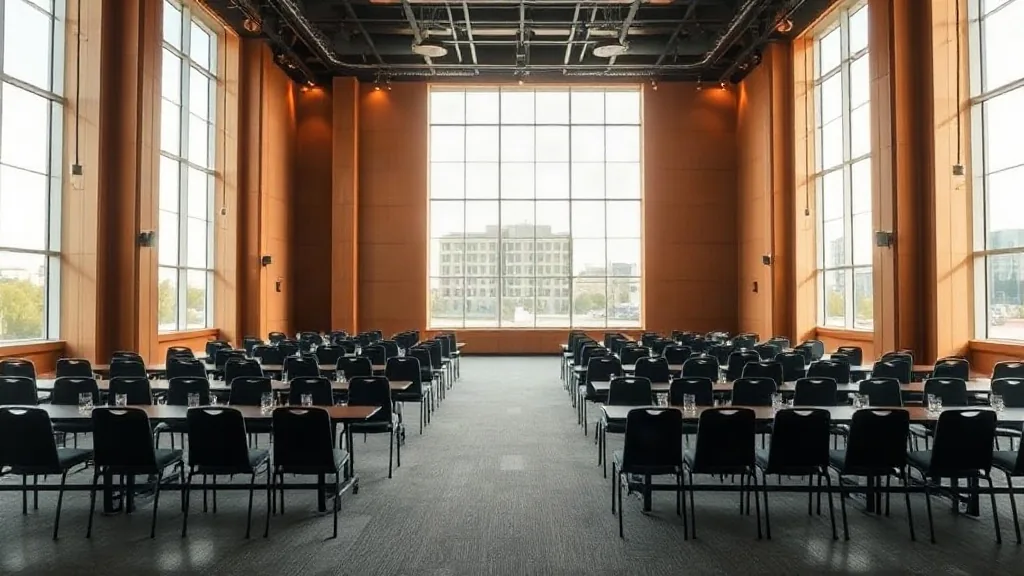
After that window closes, the invoice is considered accepted. The venue has no obligation to revisit it. Most planners don’t read this clause until they have a problem. Find it before the event, put the dispute deadline in your calendar as a hard reminder for the day the invoice arrives, and plan to review the invoice within 48 hours of receipt.
If the invoice is late (venues sometimes delay delivery to compress the dispute window), document the date you received it in writing by replying to the email with a timestamp. That creates a record if you later need to argue that the dispute window started on day X, not day Y.
The six line items most commonly overbilled
1. Overtime labor
Overtime is usually billed per worker per hour (or half-hour). When an invoice says “overtime: $2,400,” ask for the supporting detail: how many workers, at what rate, for how many minutes. Venues often batch overtime as a lump sum. The lump sum is almost always higher than the itemized calculation.
Calculate it yourself: (number of workers) x (hourly overtime rate) x (fraction of an hour). If the dinner ran 18 minutes over and the contract says overtime is billed in 30-minute increments, the charge should be (number of workers) x (rate) x (0.5). Get the worker count from the banquet captain’s post-event report.
2. AV damage or missing equipment
AV damage charges appear on about 15% of the final invoices I review. They’re often for items like “missing handheld microphone” or “cable damage.” Ask for photographic documentation before paying. In my experience, about half the time the item was returned and logged incorrectly. The other half is a legitimate charge but often inflated.
If there’s a legitimate AV damage claim, ask for the replacement cost of the specific item, not a “damage and handling fee” that triples the cost.
3. Extra linen
Linen charges appear when the venue claims more tablecloths or napkins were used than the contracted count. The contested issue is almost always the baseline count. Your BEO should specify the exact number of tables and the linen format for each. If the invoice charges for more than the BEO table count, dispute it with the BEO as documentation.
4. Parking overage
If you negotiated a valet package at a fixed rate for a maximum vehicle count, and the final invoice reflects a higher count, request the valet log. Most valet operations ticket every vehicle. The count should be verifiable.
5. HVAC or room-temperature overtime
Some venues charge for HVAC operation outside their standard building hours. The charge usually appears as “building services: after-hours” or “HVAC overtime.” It ranges from $200 to $1,500 depending on the venue and duration.
If you didn’t receive notice during the event that you were accruing this charge, dispute it. Venues are supposed to flag significant overtime charges on the night. An undisclosed after-hours building services charge that shows up on a final invoice two weeks later is a legitimate dispute.
6. Food and beverage minimum shortfall
If your event didn’t meet the F&B minimum, the venue will apply the difference as a charge. This is contractually legitimate and generally not disputable unless the minimum was reduced via a signed amendment. Check the BEO against the final food and beverage spend before you assume a shortfall charge is accurate.
How to dispute in writing without burning the relationship
The tone of a dispute email matters. Accusatory language creates defensiveness. Specific, factual language creates a negotiation.
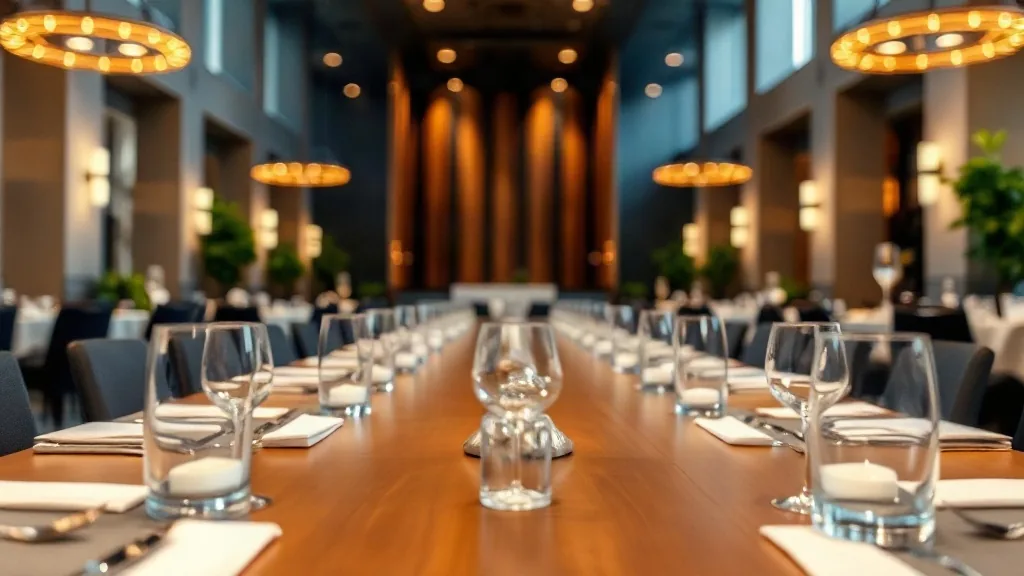
Good structure:
“Thank you for sending the final invoice. I’m reviewing a few line items before I authorize payment. Could you provide the following supporting documentation?
- For the overtime labor charge of $X: the worker count, hourly rate, and minutes of overtime per the banquet captain’s record.
- For the additional linen charge of $X: the count from the post-event linen inventory and any documentation of the staining issue referenced in the invoice.
Once I have that information, I’ll process payment for the confirmed amounts. Please let me know the best way to get this documentation to me.”
That email accomplishes three things: it establishes you’re reviewing the invoice (starting the clock), it requests specific documentation (shifting the burden of proof), and it signals payment intent (maintaining the relationship).
Most venues will respond within 3-4 days. They’ll either provide documentation that confirms the charge, adjust the charge to a lower amount, or waive it. The waiver rate for undocumented charges in my experience runs about 60%.
What to do during the event to protect yourself
The best post-event invoice is the one you can review against your own documentation. During the event:
- Photograph the final table setup before guests arrive (confirms linen count)
- Note the exact time the last guest departed and the room cleared
- Get the catering floor captain’s name and the time they signed off on service
Those three data points resolve 80% of the disputes before they become disputes.
Read more about how to read a venue contract before signing to catch the overtime clauses before they apply, and review what a service charge covers versus what goes to staff so you know what you’re disputing on the gratuity line. Your venue’s account manager at a hotel or resort or conference center will generally resolve legitimate disputes faster than the banquet manager. If you hit a wall with one contact, escalate to the other.
What’s your dispute window, and have you reviewed the overtime clause in your current contract?


