
How to Handle a No-Show Speaker: the 25-Minute Pivot Protocol
A keynote no-show is survivable if you have a pivot plan built before the event, not improvised in the moment. Here is the audience-facing language, the AV substitution moves, and the content alternatives for a 45- to 90-minute program gap that let you close an event without an apology tour.

At a 240-person policy association conference in 2022, our keynote speaker called at 7:14am to say her flight from Denver had been cancelled due to mechanical issues and there were no available alternatives that would get her to DC by the 10am start. We had 2 hours and 46 minutes.
I have since developed a protocol for exactly this situation. It takes 25 minutes to execute the pivot. Here is the framework.
The first 10 minutes: containment and decision
Do not tell the audience anything yet. Do not announce “we’re working on a speaker situation.” That language puts 240 people on alert and reframes everything that follows as a crisis response rather than a program change.

Use the first 10 minutes for internal triage:
-
Confirm the speaker cannot appear by video, even in degraded quality. A speaker appearing via video on the main screen for a 30-minute session is a perfectly acceptable substitute. Run this question immediately. Most no-shows involve travel failures, not incapacitation, and a video session rescues the content.
-
Identify your fallback presenter. This is someone already at the event, familiar with the topic, and capable of speaking for 30-45 minutes without slides. More on this below.
-
Decide between a compressed agenda and a content substitution. A compressed agenda cuts the keynote slot and moves the next session forward. A content substitution fills the slot with different content. Both are viable. The choice depends on whether anything else in the program can absorb the time.
-
Brief your room coordinator and AV lead. They need to know what’s changing before you make any announcement.
The fallback presenter list
This is something you build before the event, not during the crisis. For every event where a keynote or featured speaker carries significant program weight, identify two people in the attendee list who could step in for a 30-45 minute session. They don’t need to cover the original topic. They need to be credible, available, and willing.
At policy events, this is often a senior staffer, a board member, or a past conference speaker. At corporate conferences, it’s an internal executive or a vendor who knows the subject. At association events, it’s typically a committee chair or a past president.
Tell these people in advance that they’re on your informal backup list. Keep it low-stakes: “I hope I never need this, but would you be willing to step in for 30 minutes if a speaker situation develops?” Almost everyone says yes. Almost nobody ever gets called.
When you do call them, keep the ask specific: “Our keynote can’t make it. I’d like you to take 35 minutes starting at 10:15. You could speak on anything you’d find engaging to this audience. No slides required.”
The audience-facing announcement
Deliver this no later than 15 minutes before the original keynote start time. Earlier if the session is at 9am and people are settling into their seats.
Do not apologize in the first sentence. Do not use “unfortunately.” Both words signal that something has gone wrong, and they reduce confidence in what follows. Start with the substitution, not the problem.
Script example: “We have a change to this morning’s program. [Speaker name] is dealing with a travel disruption and can’t be with us today. In her place, [substitute name] will be speaking starting at 10:15, and we’re going to pick up the rest of the program from there. If you’d like to grab a coffee before we start, now is a great time.”
That’s it. Three sentences, then redirect their attention to the coffee station. Do not take questions. Do not explain the details of the travel disruption. Move to the next action.
Filling a 45- to 90-minute gap when there is no fallback presenter
If the keynote slot is 45-90 minutes and you don’t have a fallback presenter, you have four content options:
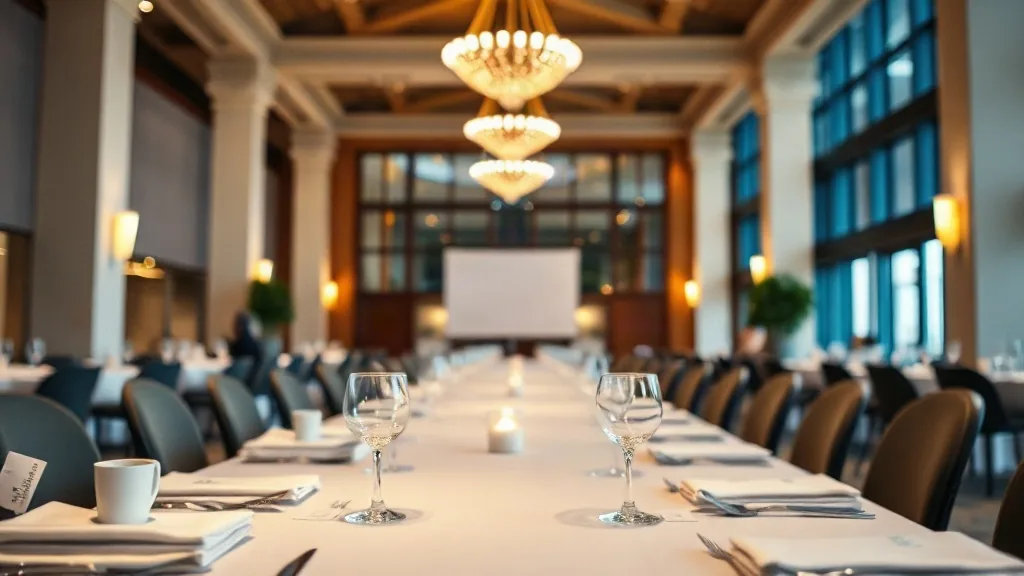
Option 1: Extended networking with structured facilitation. This works at association conferences and any event where the attendee relationships are themselves a draw. Announce a structured networking session: “For the next 45 minutes, we’re opening up the floor for conversation. We’ll post three questions on the screens to get you started.” This is not empty time; it’s directed conversation. Your room coordinator facilitates two or three table-level question prompts at 15-minute intervals.
Option 2: Panel from the room. Pull three to four attendees onto the stage for a moderated conversation. Frame it as a peer perspective session. This works at industry conferences where the room contains experts. The moderator asks prepared questions; the panelists respond. You need 10 minutes of prep with the panelists, then 35-50 minutes of content. Audiences frequently rate this format higher than keynotes because it’s specific and real.
Option 3: Breakout sessions brought forward. If your program has breakout sessions scheduled for later, move them. Announce a 45-minute early breakout period. This requires AV and room coordination adjustments, but those take 5 minutes to execute if your team is briefed.
Option 4: Pre-recorded content. If the no-show speaker submitted slides or a pre-recorded session (a practice worth building into every speaker agreement), play it. A 30-40 minute pre-recorded keynote is a legitimate program element, not a consolation prize, as long as you frame it correctly: “We’re going to hear from [speaker] via a session she recorded for us.”
What to put in your speaker agreement to make this easier
Two clauses belong in every speaker contract:
First, a pre-recording requirement. Ask every speaker to submit a 20-30 minute recorded version of their presentation no later than 5 days before the event. Frame it as an accessibility measure for remote attendees. In practice, it’s your insurance policy.
Second, a video appearance option. Language like: “In the event of travel disruption, speaker agrees to appear via video conference for a mutually agreed session length, subject to bandwidth availability.” Most speakers will agree. It costs them nothing and it costs you a $200 video rig setup to execute.
Theaters and performing arts centers and purpose-built conference centers typically have the video infrastructure to support a remote speaker appearance without additional equipment. Confirm this during your site visit. Hotels are more variable; some ballrooms have integrated video conferencing, others require a separate AV setup that costs $800-1,500.
The post-event speaker conversation
If the no-show was genuinely unavoidable (travel disruption, medical event), handle the contractual fallout carefully. Most speaker contracts have force majeure language that excuses appearance fees in genuine emergencies. If the contract is silent, you’re negotiating.
A reasonable position: offer a 50% kill fee for the session, ask for a guaranteed appearance at your next event at the agreed rate, and request the pre-recorded version if they didn’t already submit one. Most speakers will agree to this without dispute. The goal is to maintain the relationship; the speaker will likely feel terrible about the situation already.
Read more about how to build a run-of-show document that makes your room coordinator’s job easier during a pivot, and about how to run a pre-event vendor briefing that includes your fallback presenter in the briefing list. What is your next event format, and do you have a fallback presenter identified?


