
How to Hire an Event Photographer Who Works Corporate (Not Just Weddings)
Wedding photographers and corporate photographers use the same cameras and charge similar day rates. They do not produce the same work. A wedding photographer optimizes for emotional moments and wide reception shots. A corporate event requires something different: usable speaker portraits, product shots, sponsor wall documentation, and team photos that look like they were planned. Here are the six brief items that separate a good hire from an expensive misfire.

In 2021 I hired a photographer who had a beautiful portfolio of galas and black-tie dinners. The photos were gorgeous. The people looked natural, the lighting was warm, the compositions were thoughtful. I hired her for a 140-person healthcare conference in Tampa.
She delivered 800 photos. Forty of them were usable for the client. She had photographed the attendees networking, the cocktail hour, and the post-dinner dancing. What she had not photographed: the keynote speaker at the podium with the company logo behind them, the executive panel from an angle that showed all five faces, or the sponsor wall with legible branding. She had never thought to do those things, because galas don’t need them.
The 40 usable photos were good. The remaining 760 were lovely and irrelevant.
Why the corporate brief exists as its own category
A wedding photographer’s job is to tell a story. The story is the couple’s day, and almost every moment has potential value. A corporate event photographer’s job is to document specific deliverables: proof of attendance, speaker and panelist documentation, sponsorship activation shots, executive portraits for press releases, and team photos for internal communications.
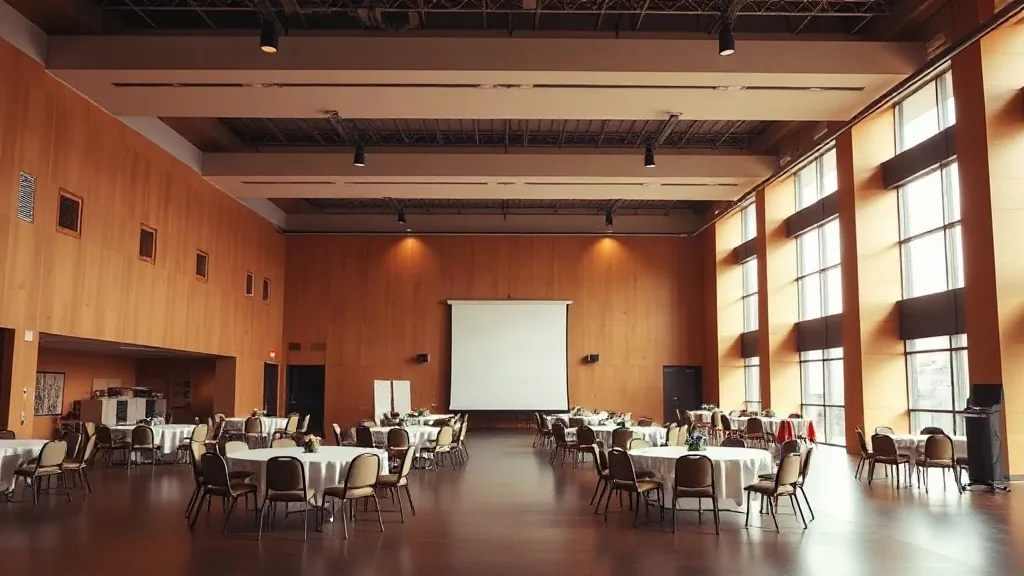
Those deliverables are not inherently dramatic. A headshot of a CFO at a podium is not exciting photography. But the client needs it at 2400 pixels wide with a neutral background, and the photographer needs to know that before they walk in.
The six-item brief
1. Shot list with prioritized must-haves
Give the photographer a written shot list, sorted by priority. The top five shots should be non-negotiable. Everything else is secondary.
A typical corporate shot list for a 150-person conference:
- Every speaker at the podium, full-body and tight portrait (must-have)
- Full audience shot from the back of the room during each session (must-have)
- Panel group shot with all panelists visible (must-have)
- Sponsor logo wall, front-lit, no shadows (must-have)
- Executive team group photo, staged (must-have)
- Networking and candid crowd shots (secondary)
- Award presentations with recipient and presenter visible (secondary)
- Registration area with signage visible (secondary)
If the photographer doesn’t receive this list, they’ll optimize for what looks interesting. What looks interesting to a photographer is not always what a healthcare compliance director needs for the post-event report.
2. Deliverable format and count
Specify the number of edited images you expect and the turnaround time. For a 6-hour event, 200 to 300 edited images is reasonable. For a 3-hour event, 100 to 150.
Specify the file format (JPEG, minimum 2400 pixels on the long edge, sRGB color profile is the default for web and print). If you need RAW files for any reason, say so. RAW processing and delivery adds $150 to $400 to most quotes.
Specify turnaround. Standard corporate delivery is 5 to 7 business days. Rush turnaround (48 hours) typically costs $200 to $500 extra. For a conference with a press release going out the following morning, rush delivery is worth every dollar.
3. Lighting constraints
Tell the photographer the room conditions. Is it a hotel ballroom with 2,700K warm tungsten spotlights? A conference center with overhead fluorescent panels? An outdoor garden venue at noon? A warehouse with no windows?
A photographer who has worked corporate events knows how to bring supplemental lighting without disrupting a session. One who hasn’t will use on-camera flash, which produces flat, harsh images and annoys speakers mid-presentation. Ask whether they bring supplemental off-camera lighting and whether they have experience shooting in that type of venue.
4. Access and movement restrictions
Many corporate events have restricted zones. A pharma advisory board might prohibit photography in breakout rooms. An investor day might restrict photos during the Q&A session. A product launch might embargo images until the press release goes live at 9am the following morning.
Write these restrictions in the brief and confirm the photographer has read them. An embargo violation on a product launch costs the client real money and the planner a real relationship.
5. Video or hybrid coverage
If the photographer is also expected to capture short video clips for social media, that must be in the scope. Photography and video are different technical skills and different equipment setups. A photographer who agrees to “grab some video” without a dedicated setup will hand you shaky, unusable phone footage. Either hire a dedicated videographer or hire a photographer who works with a dual rig and get that in writing.
If you need a 60-second recap reel in addition to still photos, add 30 to 50% to the photography budget and confirm the videography specifications separately.
6. Post-processing style
Show the photographer three reference images from their portfolio that match the look you want, and three from yours if you have them. Specify whether you want natural tones, high-contrast editorial, or warm event photography. This conversation takes five minutes and prevents the situation where a photographer delivers everything with heavy cinematic color grading when the client’s brand standards require clean, neutral tones.
How to find corporate photographers
Look for photographers who list “corporate events,” “conference photography,” or “business events” in their website copy, not just “events” or “social events.” Ask for a portfolio that includes speaker documentation, panel shots, and sponsor wall images, not just candid networking photos.
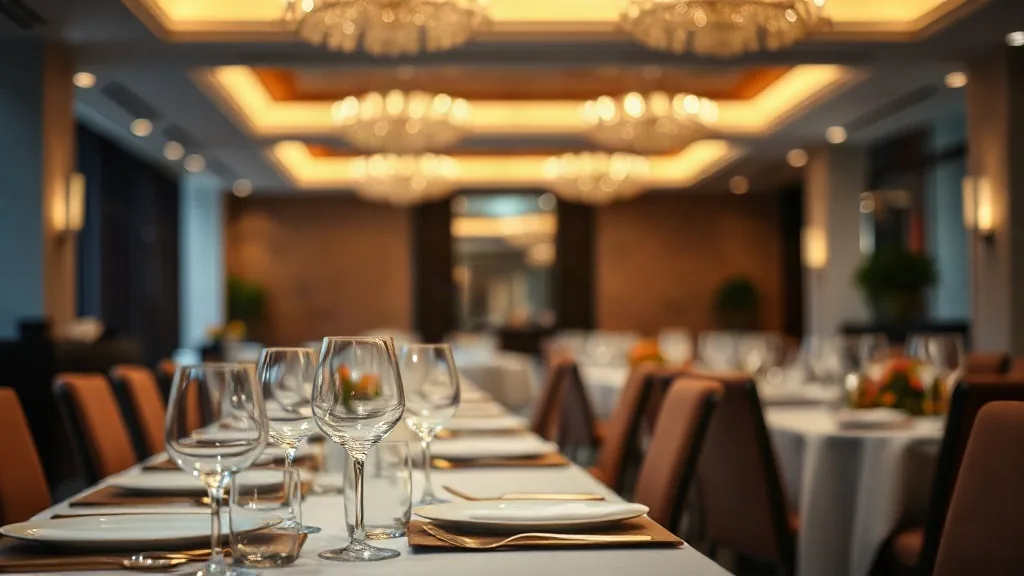
Rates in tier-2 cities (Tampa, Atlanta, Orlando) run $1,200 to $2,400 for a 4-hour event with 200 edited images. In tier-1 cities (New York, San Francisco, Los Angeles), expect $2,000 to $4,500 for the same scope.
Photo and video studio spaces in your city often have referral relationships with corporate photographers who already understand controlled lighting environments. Browse photo and video studios in your area if you want a venue that comes with that network built in.
The question I ask on every call now
“Can you show me a shot list deliverable from a previous corporate event?” A corporate photographer who has worked professionally in this category will have one. A wedding photographer crossing over will not know what you mean.
That answer tells you everything you need to know before you make a decision.
What’s your event format, your headcount, and your most critical deliverable? Send me those details and I can tell you what you should be paying and what brief items matter most for your specific situation.


