
How to Negotiate Event Insurance With Your Broker: the Line Items Worth Fighting Over
Event insurance brokers default to maximum coverage because the premium difference between a $1M and a $5M general liability policy is small and the liability from underselling is real. The result is that planners routinely pay for coverage they don't need on items where the actual risk is minimal. Here are the line items where reducing limits saves money, and the ones where you should not touch the coverage.

I had a broker quote me a $1,450 event insurance policy for a 150-person awards dinner at a hotel ballroom in Tampa. The prior year’s policy for an identical event at the same venue was $620. The broker had rolled in a liquor liability rider, a hired and non-owned auto rider, a non-appearance rider for our keynote speaker, and a terrorism coverage endorsement.
I asked which of those were required by the venue. Two of them were. The other two were defaults the broker added because they’re inexpensive to include and reduce the broker’s exposure to an underinsurance complaint. Both were also things I didn’t need.
The policy after removing the optional riders was $740. Same core coverage, same venue requirements met.
What event insurance actually covers
A standard special-event policy covers general liability: bodily injury and property damage to third parties during the event. If a guest slips and falls, if a vendor damages the venue, or if your setup causes damage to an adjacent space, general liability responds.
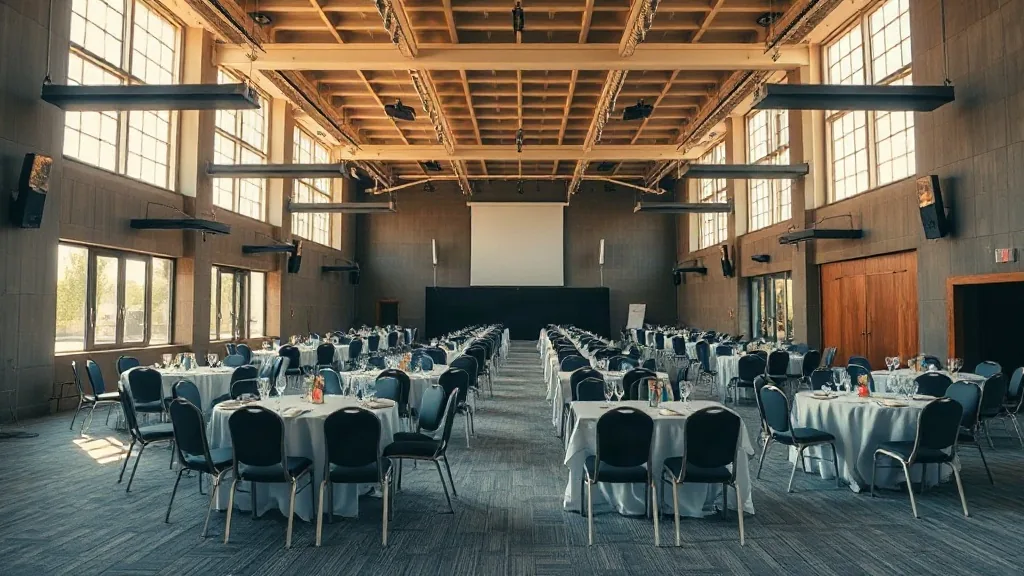
Standard general liability limits for a 100 to 300-person corporate event run $1 million per occurrence, $2 million aggregate. Most venues require this minimum. Some require $2 million per occurrence. A few boutique venues with high property values, like historic mansions or art galleries, require $5 million. The premium difference between $1M and $2M per occurrence is typically $80 to $180 for a single-day event. The difference between $2M and $5M is $150 to $350.
Don’t reduce your GL below what the venue requires. That’s not a negotiation. That’s a contract breach.
The riders worth examining
Liquor liability rider

If your event serves alcohol, a liquor liability rider covers claims arising from a guest who consumed alcohol at your event and then caused harm: a DUI accident, an altercation, or a slip caused by intoxication. This rider is not optional if you have a full open bar and a mixed guest list.
It is optional if: the event is alcohol-free, the venue’s own liquor license covers all beverage service (many hotel and restaurant venues carry their own liquor liability that covers their guests), or the event has no public component and alcohol is strictly for named employees of your organization.
The rider typically costs $150 to $400 for a one-day event. Ask your broker: “Does the venue’s own liquor liability coverage extend to my event guests, or do I need my own rider?” The answer varies by venue type. Hotel properties with their own ABC license often cover this; standalone event spaces typically don’t.
Hired and non-owned auto rider
This rider covers vehicles rented or hired for the event that aren’t owned by you: charter buses, shuttles, limos. If the charter bus you hired is involved in an accident while transporting your guests, this rider fills gaps that the charter company’s commercial auto policy might not cover.
If you’re not renting or hiring any vehicles for the event, this rider is unnecessary. If you’re using ride-share (where each driver’s personal insurance applies), it adds minimal protection for significant additional cost. If you’ve hired a charter bus company, ask whether their commercial auto policy ($5M per occurrence is standard for motor coaches) already covers passenger liability adequately. In most cases, it does, and you don’t need the rider.
Non-appearance (speaker or entertainer) rider
This rider pays a policy benefit if your keynote speaker or entertainment act cancels. The benefit is typically equal to the speaker’s fee, up to a policy maximum. It does not, however, automatically cover the consequential costs of rebuilding your program: alternate speaker travel, reprinted materials, or revised AV setup.
For a speaker at $8,000 or above, non-appearance coverage costs $200 to $500 and is worth having if: the speaker has a history of cancellations (check references), the speaker’s health is a known variable, or the cost of the event is highly dependent on that one speaker’s draw. For a speaker at $3,000 to $6,000 where the program can absorb a cancellation, the rider may not be cost-effective.
Event cancellation and postponement rider
This rider covers your costs if you have to cancel or postpone the event due to a covered reason. Covered reasons typically include venue closure, severe weather, and communicable disease (the pandemic clarifications matter here; read the fine print carefully). Not covered: low attendance, budget change, or organizer decision.
For a 300-person conference with $85,000 in non-refundable deposits, a cancellation rider at $600 to $1,200 is a reasonable hedge. For a 50-person internal meeting at a hotel with standard refund policies, it’s probably not necessary.
Terrorism endorsement
Added to policies post-2001, terrorism endorsements cover property damage and liability from a designated terrorist act. Most corporate event policies don’t need this as a separate endorsement; it’s covered under the standard policy form in many jurisdictions.
Ask your broker: “Is terrorism coverage already included in the base policy, or is this a separate endorsement?” If it’s already included, the line item on your quote is redundant.
The negotiation framework
Start by listing what the venue requires. Request the venue’s COI requirements in writing (the same document you’d request when hiring an outside caterer). Then list what your organization’s risk manager or general counsel requires if they have an events insurance policy.
Compare those two lists to your broker’s proposed coverage. Any coverage that doesn’t appear on either list is a conversation, not a requirement.
Present the gap to your broker: “Items A and B are required by the venue. Items C and D are required by our organization. Can you show me the cost of a policy that covers those four items without the additional riders E and F?”
A competent broker will rebuild the quote. A broker who insists every rider is necessary is not wrong, but they’re not optimizing for your interests either. If they can’t explain why each rider is necessary for your specific event type and venue, consider getting a second quote.
Events at venues with specific risk profiles, such as historic mansions where property damage liability is elevated or outdoor venues where weather risk is real, warrant higher base coverage and more comprehensive riders. See event insurance cost by size and venue type for what planners actually pay at different venue categories.
What’s your event type, your headcount, and your venue? Those three details tell me which riders you probably need and which ones are optional for your specific situation.


