
I Booked the Same Venue Eight Times in Three Years and Learned Something Different Each Time
Planners are trained to rotate venues. Fresh experience, new vendor relationships, different perspectives. I did the opposite and booked the same Tampa event venue eight times over three years. By booking three, I had pricing memory and staff preference files. By booking six, I had exception access. By booking eight, I had something rarer than I expected.

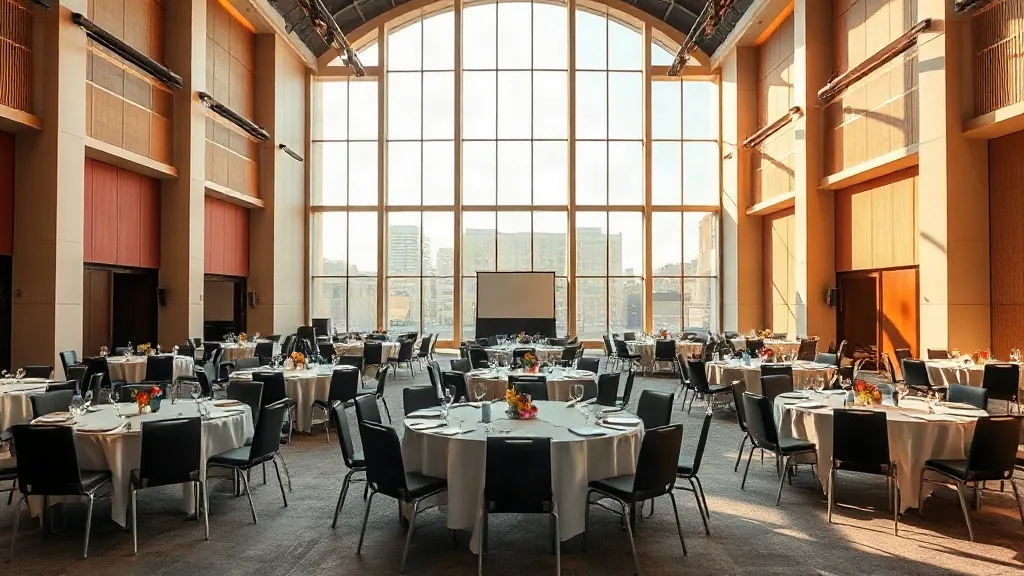
The venue was a mid-tier hotel and resort property in Tampa with a 4,200 square foot ballroom, a conference floor with six breakout rooms, and an outdoor terrace that worked for evening receptions in the October-April window. Not a luxury property. Not a property I’d have put in a “best venues” roundup. A reliable, operational property with a good catering team and a sales director named Carmen who answered emails the same day.
Between 2020 and 2023, I booked eight events there for three separate clients: a healthcare consulting firm, a regional insurance company, and a financial advisory group. The events ranged from 85 to 220 people. Combined F&B spend across the eight bookings was roughly $380,000.
Here is what I learned at each stage of the relationship.
Bookings 1-2: You’re a customer
At booking one and two, you’re a customer with credit. You get the rack rate, the standard contract, and polite sales responsiveness. Carmen returned my calls within 4 hours. The catering manager sent detailed BEO confirmations. Everything worked correctly. I got nothing that a first-time booker wouldn’t have gotten.
What I established: a client file. Not a formal one; Carmen started keeping notes about my clients’ preferences. The healthcare firm liked classroom-style setup with wider table spacing than standard. The insurance company always requested a specific AV technician, Marcus, who had worked their first event and impressed the client’s VP. Carmen noted both.
Bookings 3-4: Pricing memory opens
By booking three, Carmen knew I was a repeat buyer. The fourth inquiry came in at a time when the property was running at about 72% capacity for that month. She called me before I even sent the formal inquiry. She offered a 12% reduction on the venue rental and comp’d the standard AV package, which ran $1,800 at rack rate.
I hadn’t asked for either. She volunteered them because she valued the guaranteed revenue of a known buyer over the uncertain revenue of a new inquiry. That’s the pricing memory: she knew what I’d spend because she’d seen it three times, and she knew I’d book somewhere else if the number wasn’t right.
At booking four, she matched a competitor quote I received for a comparable property in Clearwater. Not beat it. Matched it. And she offered to hold the date for two weeks without a contract while I confirmed with my client.
Bookings 5-6: Staff preference files become real
Marcus, the AV technician from the insurance company’s first event, was requested for every subsequent booking by that client. By booking five, Carmen had pre-assigned Marcus to any of my insurance company events before I asked. The BEO now included a line item for AV staff preference by name.
At booking six, the healthcare firm’s event had a last-minute speaker change 10 days out. The speaker’s technical rider required a specific confidence monitor configuration that wasn’t in the original AV scope. Marcus already knew the room. He had the configuration built and tested in 3 hours, at no additional charge, because he considered the event relationship worth the goodwill.
That’s not something you get from a vendor you’ve hired once. It comes from a relationship where the vendor has enough context to make judgment calls in your favor.
Bookings 7-8: Exception access
Booking seven produced something I hadn’t anticipated: exception access to inventory and policies that formally don’t exist.

The event date was in December, historically the property’s highest-demand period. I was competing against two other groups for the same weekend. Carmen told me I had first right of refusal on the date if one of the other groups confirmed. The other groups confirmed and I still got the date, at the rate I’d paid in October. She moved one of the December groups to a sister property.
She didn’t have to do that. She did it because eight bookings at $380,000 in combined spend had earned a form of status that doesn’t appear in any contract. It was a relationship decision.
Booking eight produced the other thing worth naming: early access to the property’s renovation calendar. The property was planning a ballroom refresh in Q2 of that year. Carmen told me two months before the public announcement, which gave me enough time to book before the renovation window closed the ballroom for 10 weeks. A competitor who’d held a prospective date there lost it to the renovation. I had already confirmed.
What the relationship costs
The cost of repeat booking is opportunity cost. Every time I booked Tampa instead of exploring alternatives, I wasn’t discovering new properties, new pricing benchmarks, or new vendor relationships in the market.
I’ve made peace with this tradeoff because of what I observe on the other side: clients whose events move to a new venue every year spend 40-60% more staff time on vendor orientation, logistics briefing, and uncertainty management. The familiar venue absorbs a lot of cognitive load that otherwise falls on me and on the client’s internal team.
The second cost: vendor complacency. By booking eight, the property knew they were likely to get booking nine. That certainty can erode the urgency that produces good service. I never saw this at Carmen’s property, but I’ve seen it at other repeat-booking relationships where the vendor started taking the renewal for granted. The mitigation: keep sending competitive inquiries to comparable properties. Mention the inquiry to your contact. Not as a threat, but as a signal that you’re still shopping.
What Florida conference centers and hotels don’t tell you
Repeat-booking benefits are real but invisible in the rate card. No property will publish “booking 6+ earns exception access.” The relationship operates on informal professional trust, not contract terms.
That trust is worth protecting. When the relationship works, it produces a level of operational reliability that you can’t purchase for any single event. When it breaks, because a contact leaves or a property changes management, the re-building cost is real.
This is also why I have a strict protocol around contact transitions: I keep my own notes on every venue relationship, separate from whatever the venue’s CRM holds. When Carmen eventually leaves, my notes travel with me.
What venue relationship has been your most productive repeat booking? I’m curious whether the pattern holds across different property types.


