
The Incentive Trip Playbook: Destination Selection, Group Rate Negotiation, and the Qualifying Threshold
Incentive trips are the most expensive per-person corporate event most companies run, and the most visible to the people who win them. The destination brief, group room block at an aspirational hotel, qualifying criteria communication, and 2-3 group activities need to be designed as a unified experience. This playbook covers what actually works across 50-150 person incentive programs.

The incentive trips that I’ve seen fail share one characteristic: they were designed as logistics exercises rather than as motivation tools. The hotel was selected for rate. The activities were booked last minute. The qualifying criteria were communicated once, in an email that most of the sales team didn’t finish reading. And then leadership wondered why the trip didn’t move the needle on Q4 revenue.
Incentive trips work when the destination is aspirational enough that winning it changes behavior starting when the criteria are announced, not starting when people pack their bags. Here’s how to build a program that functions as a motivation system.
The destination brief
The destination selection is the first and most important creative decision. It establishes the aspirational ceiling of the program and determines what qualifiers will tell their colleagues when they get back.
Three criteria that should drive destination selection:
1. Aspirational for the winning demographic. A sales team of 30-45 year-old professionals based in Atlanta will not be equally motivated by Cancun and by Tuscany. Know your winners. Survey your top 20% of performers from the previous year and ask them to rank 5 destination options. The winner of that survey is your destination.
2. Airport connectivity. Group travel for 100 people requires a manageable flight routing structure. Destinations requiring connections from every major hub add travel fatigue before the trip starts. Prioritize destinations with nonstop or one-stop service from your company’s top 5 employee metros.
3. Group activity infrastructure. The destination needs 2-3 group activity options that work for a range of physical abilities and preferences. A destination where every activity is extreme sports or deep-sea fishing will leave 20% of your group on the sidelines. Look for destinations with a mix of cultural, culinary, and active options.
Top-performing domestic destination categories for 50-150 person incentive groups: coastal resort markets (Maui, Turks and Caicos if you’re willing to go international, Palm Beach, Scottsdale resort corridors), premium mountain destinations (Park City, Vail in summer, Jackson Hole), and Caribbean direct-flight markets from the East Coast.
The hotel selection and room block negotiation
The hotel is the centerpiece of the incentive trip experience. Qualifiers spend more time at the hotel than at any other element of the program.
For a 75-person group at a luxury resort, the room block negotiation should include:
Rate: Group rates at luxury resorts run 15-30% below published room rates for blocks of 60+ rooms. For a 5-night program at a $550/night published rate, a 75-room block should negotiate to $420-470/night. Negotiate against the total room-night revenue commitment, not the nightly rate in isolation.
Complimentary ratio: Standard comp ratio for luxury groups is 1 room per 40-50 paid nights, credited as room revenue reduction. For a 75-room block over 5 nights (375 room nights), you should receive 7-9 complimentary room nights. Apply these to the incentive program host rooms (sales leadership, program manager, VIP plus-ones).
Resort fees: Most luxury resorts charge $45-85/night in resort fees on top of the room rate. These are negotiable in a group contract. Request they be waived or capped at $25/night. Approximately 60% of the hotels and resorts I’ve negotiated with will agree to a resort fee reduction for groups of 60+ rooms.
F&B credit: Request a per-room F&B credit against the group’s food and beverage spend. $50-100 per room per night is achievable as a concession credit. For a 75-room block, this represents $3,750-7,500 in F&B credit applicable to group meals.
Room upgrades for top performers: Negotiate a guaranteed room upgrade tier for your top 5-10 performers. Suite availability at time of booking, not subject to availability at check-in. This is a low-cost concession for the hotel but creates outsized impact for the winners who receive it.
The qualifying criteria communication plan
The criteria communication plan is as important as the trip itself. Most companies announce the qualifying threshold once, in the Q4 kickoff, and hope people remember it. Programs that drive behavior do three things differently:
Progressive visibility: Winners see their progress against the threshold monthly, not quarterly. A leaderboard (internal, visible to all eligible participants) updated monthly showing who’s qualified, who’s on track, and how many spots remain creates ongoing motivation. This is a simple data export from your CRM.
The number of spots is a lever. Announcing “top 15%” is abstract. Announcing “the top 47 performers by December 31 will win” is concrete. People who are 50th on the leaderboard in October will push differently to reach 47 than they will to reach “top 15%.” Use a fixed number, not a percentage.
Communicate the experience, not just the destination. Every monthly leaderboard update should include one piece of content about the trip: a photo of the resort, a description of one planned activity, a quote from a prior year winner. The trip should feel real and attainable to everyone on the list, not just the people who are already projected to qualify.
The group activity structure
For a 5-day incentive trip with 75 attendees, the activity structure that works:
Day 1: Arrival and welcome dinner. No structured activity. Group dinner at the resort or a reserved private space at a nearby restaurant. This is the social calibration meal — keep it relaxed, keep the speeches short (one welcome toast from the VP of Sales, end it), and let the group settle in.
Day 2: Main group activity. This should be the signature experience of the trip: a private boat excursion for a coastal destination, a private cooking experience with a local chef, a yacht club charter for appropriate markets, or a guided cultural tour with a private lunch. Full group, 6-8 hours. This activity should be photographable and shareable — it’s what people will talk about when they get back to the office.
Day 3: Free time with optional small-group activities. Golf for the golfers, spa for anyone who wants it, beach for everyone else. No mandatory group programming. People who’ve been on structured corporate events for 2 days need unstructured time before they burn out.
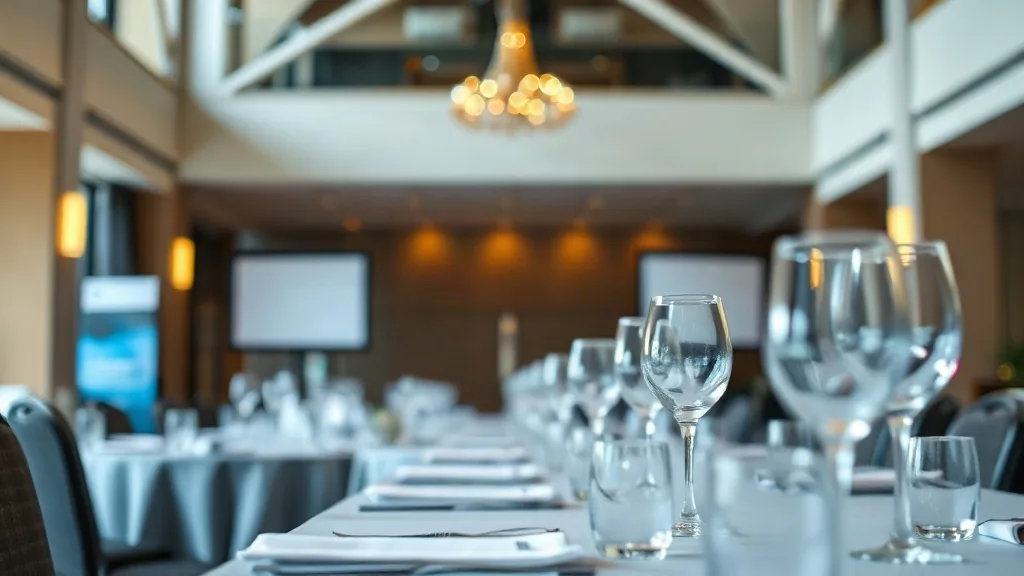
Day 4: Gala dinner. The formal recognition event of the trip. Awards presented, top performers acknowledged, toasts made. This is typically the most expensive meal of the trip: $180-250 per person at a luxury resort for a plated dinner with premium bar service. The setting matters: private beachfront, a terrace with a view, or a resort ballroom transformed with lighting and florals. Not a hotel banquet room in its default setup.
Day 5: Departure. Morning activity optional (golf, brunch, last swim), afternoon flights. Plan departure logistics to minimize lineup confusion: staggered checkout times, luggage storage at the resort, transportation to the airport coordinated by departure window.
What an incentive trip costs
For a 75-person, 5-night program at a luxury domestic resort:
- Hotel (75 rooms at $440/night group rate, 5 nights): $165,000
- Ground transport (airport transfers in group vehicles): $4,500
- Day 2 group activity: $12,000-20,000
- Gala dinner: $18,000-22,000
- Other group meals (3-4 additional): $20,000-30,000
- AV for gala recognition (audio, lighting, screen): $4,000-8,000
- Program manager fees (if using a DMC): $8,000-15,000
- Miscellaneous (welcome gifts, admin): $5,000-8,000
Total: $236,000-272,000. Per person for 75 winners: $3,150-3,625.
At this per-person cost, the trip needs to be designed for maximum memory creation, not minimum line-item cost. The hotel selection at a luxury resort property is the single decision with the most impact.
What’s the winner count, program dates, and destination preference? Those three inputs drive the hotel shortlist.


