
January Is a Corporate Event Dead Zone (And That's the Opportunity)
Post-holiday venue availability and rate drops in the first two weeks of January. How to pitch January dates to a reluctant CFO and what you can actually negotiate.

January 6 through January 19 is the worst two-week stretch in the corporate calendar for venue sales. I know this because I’ve watched venue sales managers go visibly relieved when a qualified inquiry comes in during that window. They’ll negotiate things they won’t touch in any other month.
The dead zone is real and it’s structural. Companies are back from break, Q1 planning is underway, but nobody has committed to event budgets yet. The CEO just returned from the holidays and the last thing on her mind is booking a corporate offsite. The result is that January has some of the best available inventory at some of the best rates of the year, and almost nobody is taking advantage of it.
Why January Is Dead (And Why That Matters)
The math is simple. December is the most concentrated corporate event month of the year. Hotels, banquet halls, and conference centers run at capacity. Catering teams work back-to-back. Venue sales managers close out their year with a full pipeline.
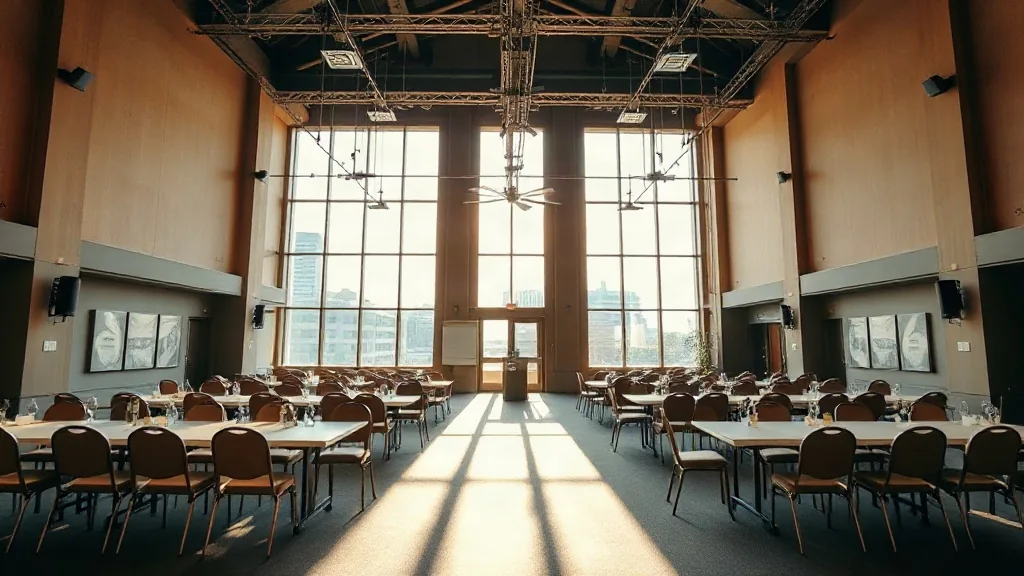
Then it stops. January 1 arrives and the pipeline is empty. The holiday parties are done. Corporate buyers are focused on budget submissions, not venue searches. Revenue managers who were turning away business in December are now watching their dashboards show 45-55% occupancy.
This is why January negotiation works. Not because venues are being generous. Because their incentive structure in the first three weeks of the month is completely different from their incentive structure in March.
What You Can Actually Get in January
I’ve run this play enough times to have a real sense of what moves. Across tier-1 and tier-2 markets, here’s what I’ve seen venues agree to that they’d decline in spring:
Rate reductions of 15-25% on room rental at standalone event venues and conference centers. Hotels are more constrained because their revenue management systems price dynamically and sales managers have less discretion. Standalone event venues and purpose-built conference centers price more manually, which means the person you’re talking to has actual authority to discount.
Waived F&B minimums or reduced floors. This is the unicorn ask that occasionally works in January. I’ve seen venues drop a $12,000 F&B minimum to $8,000 for a January corporate event when the alternative was leaving the space empty. I wouldn’t count on it, but it’s worth the ask.
Complimentary AV package inclusion. This is the most reliable January concession. A venue that normally charges $2,500 for its in-house AV setup will often fold it into the room rental in January to make the number work.
Extended access windows. Load-in starting two hours before the standard time, with extended breakdown until midnight rather than 10pm. In January, the venue isn’t resetting the room for another event the following day. They’ll give you the time.
The CFO Pitch
The internal conversation about January events is usually where this plan dies. The CFO doesn’t want a January event because attendance will be low, employees just had time off, and the holiday break already interrupted productivity. These are legitimate concerns. Here’s how I address each.
Attendance: January kick-off events, when framed as “the year’s first strategic conversation,” tend to draw strong attendance. There’s appetite to reconnect after the break. The attendees who skip December holiday parties for personal reasons often make the January event a priority. I’ve seen better attendance at January all-hands events than at the equivalent September event at the same company.
Energy: This one requires a programming answer. A January event works better as a working session or structured workshop than as a presentation-heavy conference. People come back from the holidays with opinions. Give them structured time to use them.
Budget timing: This is actually your strongest card. New fiscal years mean fresh budgets. Approval cycles haven’t started yet, so the money is uncommitted. An event in January often gets approved faster than the same event in April because nothing else has claimed the budget yet.
The rate argument closes it. Show the CFO a March quote for the same room and the same headcount alongside a January quote. The gap is typically $4,000-9,000 on a mid-size event. That number is harder to argue against than the concerns about energy or attendance.
The Two-Week Window
Not all of January is equal. January 6-19 is the genuine dead zone. By January 20, the corporate event market begins to pick up as companies finalize Q1 plans. By February 1, you’ve lost most of the leverage.
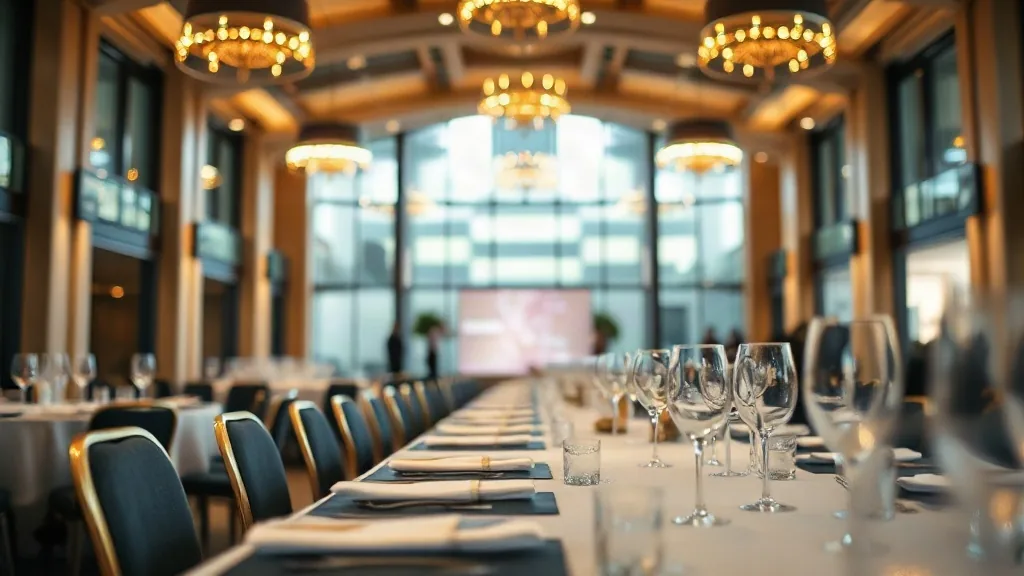
If you want to book a January event and take advantage of the rate environment, you need to have the contract signed by late November or early December for a specific date in the January 6-19 window. This requires getting the internal buy-in before the holiday break, which is a separate challenge.
Alternatively, if you’re planning a January event with a compressed timeline, January 6-19 is when you call the venue to negotiate because they’re the most motivated they’ll be all year. You might be booking only 3-4 weeks out, but the venue’s eagerness to fill the date compensates for the short lead time.
What Doesn’t Work in January
January is not a good month for events that require significant travel. Attendees in northern markets dealing with January weather will find reasons not to get on a plane. If your event is national in scope and requires attendees to travel, February is a better call. The rates are still competitive and the weather-cancellation risk is slightly lower.
January is also not ideal for outdoor and garden venues in most markets, for obvious reasons. If your event concept depends on outdoor space, this window doesn’t apply.
January is not the time for a gala or a client entertainment event. The tone of January is practical and forward-looking. Social events feel off-pitch in the first weeks of the year. Save those for spring or fall.
The January window is specifically for: team kick-offs, training programs, strategy workshops, internal conferences, and leadership summits. Events that have a working agenda and don’t depend on weather or luxury atmosphere.
Your Q1 calendar is filling up. If there’s an event on it that’s still looking for a venue, January 6-19 is the window to call.


