
Manufacturing safety summit venues near a plant, not a downtown
A safety summit works when the venue is close enough to the plant that line supervisors can attend and still cover their shift. Here is how I pick a venue near the facility, plan the plant tour, and keep the day useful instead of a downtown junket.
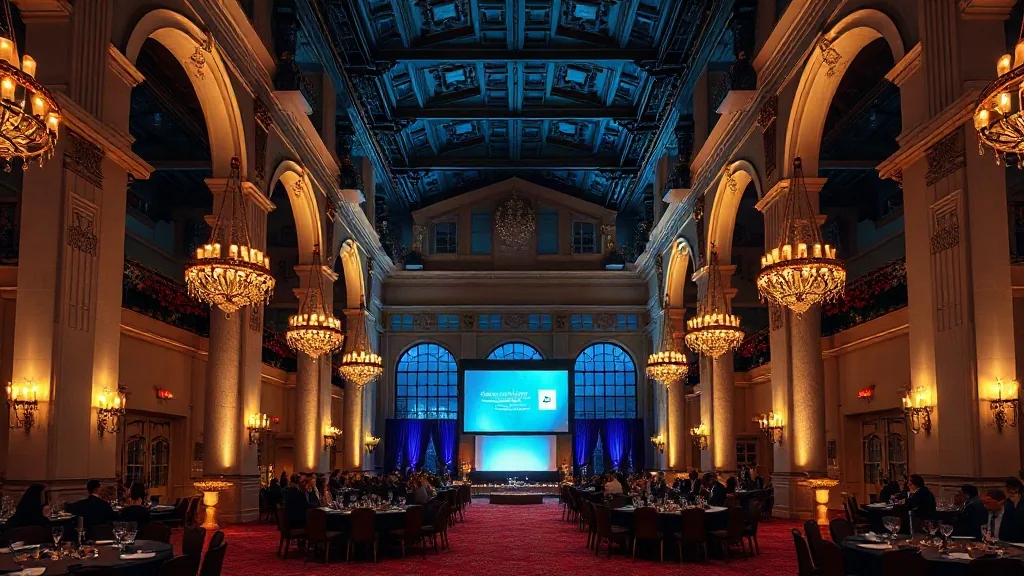
A plant safety director once told me the reason his last summit failed was a 55-minute drive. The company had booked a nice downtown hotel, and the line supervisors, the people the summit was actually for, could not spare two hours of round-trip driving on top of a full day out of the plant. So they skipped it, and the summit became a room full of corporate safety staff talking to each other. The people who run the floor were not there. That is the whole failure mode of a manufacturing safety summit, and it starts with the venue’s location.
A safety summit is not a leadership offsite that happens to be about safety. It is a working session for the people who enforce safety on a production floor, and its success is measured by whether those people show up and take something back to their shift. Everything about the venue choice serves that.
Location is the whole strategy
The venue has to be close to the plant. Not close to an airport, not close to good restaurants, close to the facility, because the audience is people who cannot be gone all day. My rule is a drive time under 25 minutes from the plant gate. That single constraint rules out the downtown convention hotel and points me toward a suburban conference center, a hotel near the industrial corridor, or sometimes a venue on a nearby campus.
The manufacturing offsites plant-tour format piece makes the case that the plant itself is part of the event, and that only works if the meeting venue is a short drive from the gate. A summit two hours away cannot include a walk of the actual floor, and the floor is where the real safety lessons live.
Build the plant tour into the day
The best safety summits I have run put people on the actual production floor. A guided walk of the plant, led by the safety team, where a near-miss from last quarter gets shown at the spot it happened, teaches more than any slide. That requires a venue close enough to bus a group over and back within the day, and it requires real planning:
- Coordinate with plant operations weeks ahead so the tour does not disrupt production or, worse, create the exact hazard you are there to prevent.
- Full PPE for every attendee, sized and staged. A safety summit whose own tour is sloppy about protective equipment has lost the room.
- A safety briefing before the walk, with a clear route and a headcount in and out.
The construction industry safety meeting myth is worth reading on how these sessions go wrong when they become box-checking instead of real. The tour is the antidote. It makes the day concrete.
Accessibility on an industrial audience
A manufacturing workforce spans a wide range of physical ability and includes people with hearing loss from years on a loud floor. I do not treat accommodation as an exception here, I treat it as the baseline:
- Assistive listening in the meeting room, tested, because a portion of a long-tenured plant workforce has measurable hearing loss.
- A step-free route for the meeting portion, and a planned alternative for anyone who cannot do the plant-floor tour, so nobody is excluded from the main event because of the walk.
- Translation or bilingual materials if the plant floor runs in more than one language, which many do.
Designing for the actual workforce in the room is the job, not an add-on. When I ask for assistive listening and bilingual handouts, I get a summit the whole floor can use, which is the point.
The room is for working, not presenting
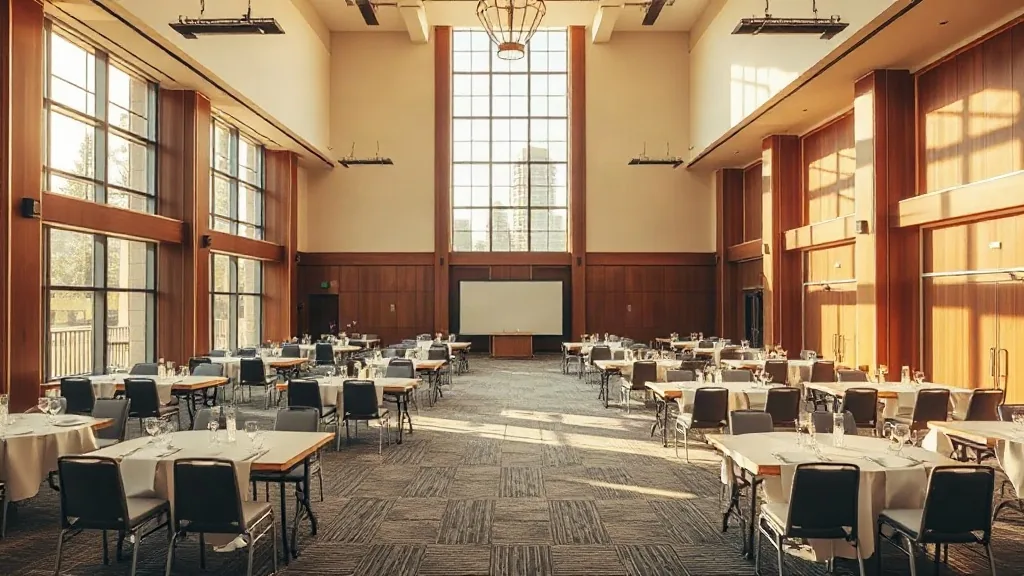
Safety summits are discussion-heavy. Supervisors compare incidents, walk through procedures, and problem-solve in groups. So I set the room at rounds or a hollow square, not theater, because the value is in people talking to each other, not watching a stage. A 120-person summit in rounds of 8 needs a room rated near 250 banquet once you account for the working space and the accessible spacing.
The AV is simple and rugged. A clear main screen, wireless mics that pass around the room easily for the discussion, and captions on any video, because a loud-floor audience benefits from reading along. Nothing elaborate. The content is the incident data and the floor walk, not a production.
Venue types near the plant
For most safety summits I book a suburban conference center in the industrial corridor. It gives me the meeting infrastructure, easy bus access to the plant, ample parking for people driving in from the facility, and a complete-meeting package that keeps the budget clean.
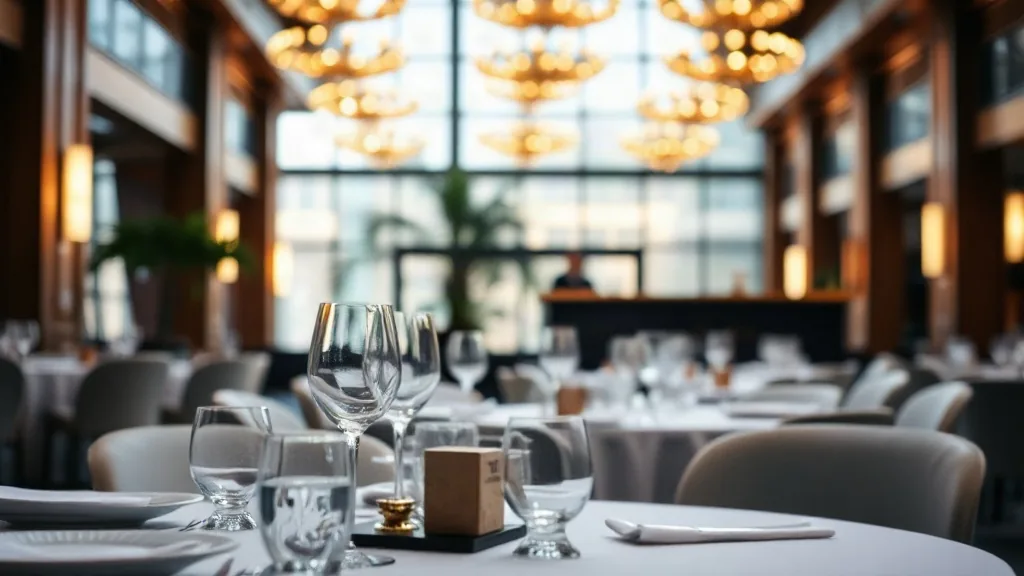
A hotel near the industrial park works when some attendees travel in from other plants and need rooms, and it adds a dinner option for a multi-site summit that runs into the evening.
For a large multi-plant summit pulling 300-plus people from across a region, a convention center near the main facility gives the scale, though I still keep the drive to the flagship plant short so the tour stays possible. And if the plant sits near a college town, a campus venue can be an overlooked, affordable option, which the how to book a university venue for a corporate event piece covers well.
Schedule around the shifts, not the clock
A plant does not stop for a summit, and that reshapes the timing. If the facility runs multiple shifts, you cannot pull every supervisor at once without leaving the floor uncovered, so I often run the summit twice, a morning session and an afternoon or evening session, or split it across two days so each shift can attend without a coverage gap. That doubles the room-day need, which changes the venue math, so I raise it with the safety director before anyone picks a date.
The parking and access details matter more for this audience than for a corporate crowd. People drive in from the plant in work vehicles, sometimes trucks, and they arrive close to start time because they were on the floor. So I want a venue with ample, close, free parking and a simple entrance, not a downtown hotel with valet-only parking and a $32 daily rate that reads as corporate excess to a floor supervisor. The venue should feel like a serious working session near their workplace, not a junket someone booked to get out of the plant for a day.
The build order
- Locate the plant. Screen venues inside a 25-minute drive of the gate.
- Confirm with plant operations that a floor tour is possible on the date, and plan PPE for every attendee.
- Set the room for discussion, rounds or hollow square, not theater.
- Build in assistive listening, a step-free route, and bilingual materials for the actual workforce.
- Keep AV simple and rugged, with captions on video.
Tell me the plant location, the number of line supervisors versus corporate attendees, and whether you want the actual production floor in the agenda. With those, I can point you at the conference center or hotel close enough to the gate that the people who run the floor actually show up, and tell you what the plant-tour coordination needs before you set a date.


