
March Event Planning: Weather-Risk Map by Region for Outdoor-Leaning Venues
March is the highest-variance month for outdoor corporate events. Here's the regional probability table for usable weather by city and when to require an indoor fallback in contract.

March is the month that breaks planners who haven’t planned it before. It looks like spring on the calendar. It looks like spring in the venue photos. And then the event week arrives and the forecast shows 40 degrees and rain or, in Florida, an 80-degree day with afternoon thunderstorms that roll in at 4pm regardless of what the morning looks like.
I’ve done March events in Tampa, Atlanta, and DC. All three cities behave differently in March, and the risk profile at an outdoor or garden venue changes completely depending on which city you’re in.
Why March Is the High-Variance Month
March sits at the transition between winter and spring in most US markets. The problem is that the transition is not smooth and not predictable at the weekly level. Average temperatures are rising, but the standard deviation around that average is highest in March. A city with a March average of 58 degrees can swing from 72 to 35 within the same week, and the swing pattern doesn’t reveal itself until about 10 days out.
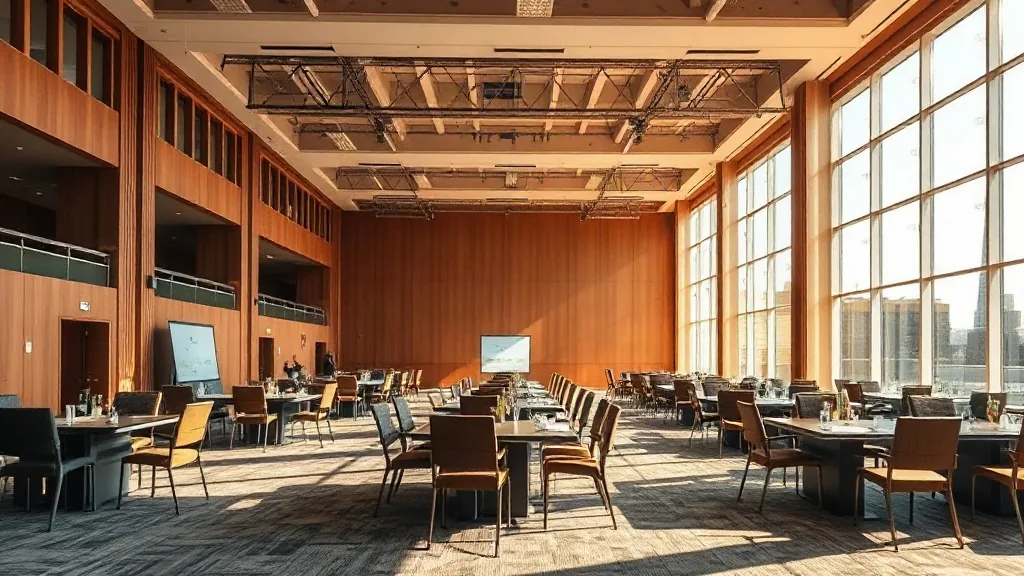
For venue planning, this means you cannot rely on the monthly average when making site selection decisions. You’re managing variance, not average.
The Regional Risk Map
Southeast (Florida, Georgia, South Carolina, coastal Virginia): March has moderate weather risk but a specific and underappreciated pattern: afternoon pop-up thunderstorms. In Florida, the spring atmospheric instability sets in by late February and March afternoons carry a 25-40% daily probability of a quick storm. These are not all-day events. They’re 30-90 minute windows that arrive fast and clear fast. The risk is highest from 2pm to 6pm.
For outdoor events in Southeast markets, the viable window is morning through 1pm or evening after 7pm. A midday outdoor reception in Tampa in March is a weather gamble. An evening outdoor dinner starting at 7pm has much better odds, though you still need a contractual indoor fallback.
Mid-Atlantic (DC, Baltimore, Philadelphia): March in DC is a coin flip. Early March can still deliver below-freezing nights and cold, gray days. Late March is more spring-like but highly variable. Cherry blossom season (typically late March to mid-April) brings tourism and better weather, but the blossoms are notoriously unpredictable year to year. Don’t plan an outdoor event around them specifically.
For DC area outdoor and garden venues, March outdoor events require a full indoor contingency and a decision deadline of 48 hours prior. At that point you have enough forecast precision to make the call.
Southeast interior (Atlanta, Charlotte, Raleigh): Slightly more stable than coastal Southeast but still variable. Atlanta March averages around 57 degrees but swings between 40 and 72. The rain risk is moderate, not extreme. An outdoor reception with proper tent coverage is manageable with a decision framework. Without a tent, you’re rolling the dice.
Texas (Austin, Dallas, Houston, San Antonio): Texas March weather is a geographic mismatch. North Texas (Dallas, Fort Worth) still has real winter-to-spring transition risk. South Texas (San Antonio, Austin) is more reliably spring-like by mid-March. Houston has humidity and rain risk that makes outdoor events complicated regardless of temperature. For Texas outdoor events in March, your risk profile depends heavily on which city and which week.
West Coast (LA, San Diego, San Francisco, Seattle): LA and San Diego in March are reliably good. This is the shoulder season before summer coastal fog. San Diego March averages 65 degrees with low rain probability, making it one of the best outdoor event markets for corporate events in early spring. San Francisco is cooler but functional. Seattle in March is wet. Plan indoor with outdoor optional, not the other way around.
Midwest (Chicago, Minneapolis, Denver): Don’t do outdoor corporate events in Chicago or Minneapolis in March. Full stop. March averages in Chicago hover around 40-45 degrees with real wind exposure from Lake Michigan. Minneapolis is colder. Denver is variable with the possibility of March snow even after several 60-degree days.
The Indoor Fallback Contract Language
For any March outdoor event, your contract with the venue needs a specific force-majeure-adjacent clause that covers weather decisions. “Force majeure” in the legal sense covers acts of God that prevent the event from happening. What you need is different: you need a weather-decision clause that lets you move to the indoor backup without additional cost.
The language I use: “In the event of inclement weather as determined by the lead event planner, the event may be moved to [specific indoor space] at no additional cost to client. Decision to move shall be made no later than [48/24] hours prior to event start time.”
This clause does two things. It locks in the indoor space at no additional charge, so the venue can’t rent it to someone else and then tell you it’s unavailable when the weather turns. It also specifies who makes the decision and when, which prevents the venue from pushing back on a last-minute call.
If the venue won’t agree to an indoor fallback clause, that’s information about the venue. A venue with adequate indoor space that won’t guarantee it for weather is telling you their indoor space is likely to be unavailable.
Tent Coverage: When It Helps and When It Doesn’t
For Southeast markets where afternoon thunderstorms are the primary risk, a tent covers rain but not lightning. Most tent rental contracts specifically exclude lightning liability. A tent does not protect you from a lightning delay, and in Florida, lightning delays are common enough to be a real planning variable.
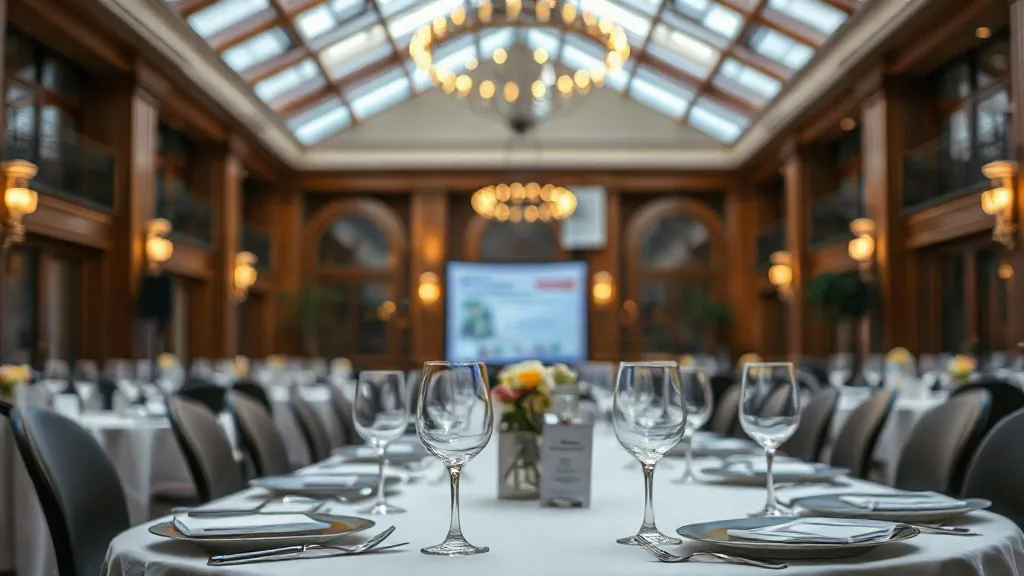
Tent costs for a 100-person reception setup in a garden venue run $2,500-5,000 for a basic frame tent, more if you’re adding sidewalls, flooring, and climate control. Climate control (portable HVAC or heating) adds $800-2,000 depending on the setup.
The math: a tent rental for weather protection in March at an outdoor venue might add $3,500 to your event cost. If that gives you a March rate that’s 20% below April rates at the same event venue, the tent is still a net savings on a 100-person event with a $15,000 venue rental.
The Decision Tree
Plan March outdoor events in: LA, San Diego, San Antonio after March 15, Atlanta after March 20 with tent and decision clause, Tampa and Miami for morning or evening events only.
Require full indoor fallback for: DC, Raleigh, Charlotte, Houston, Austin before March 15, San Francisco.
Do not plan outdoor corporate events in: Chicago, Minneapolis, Denver, Seattle in March. Use these cities for indoor events and add outdoor programming optionality if the weather cooperates.
Your March outdoor event needs an indoor backup. What city, what headcount, and what’s the event start time?


