Museum after-hours events and the curator's list of restrictions
After-hours museum events cost thousands, plus mandatory security and a ban list of rooms.
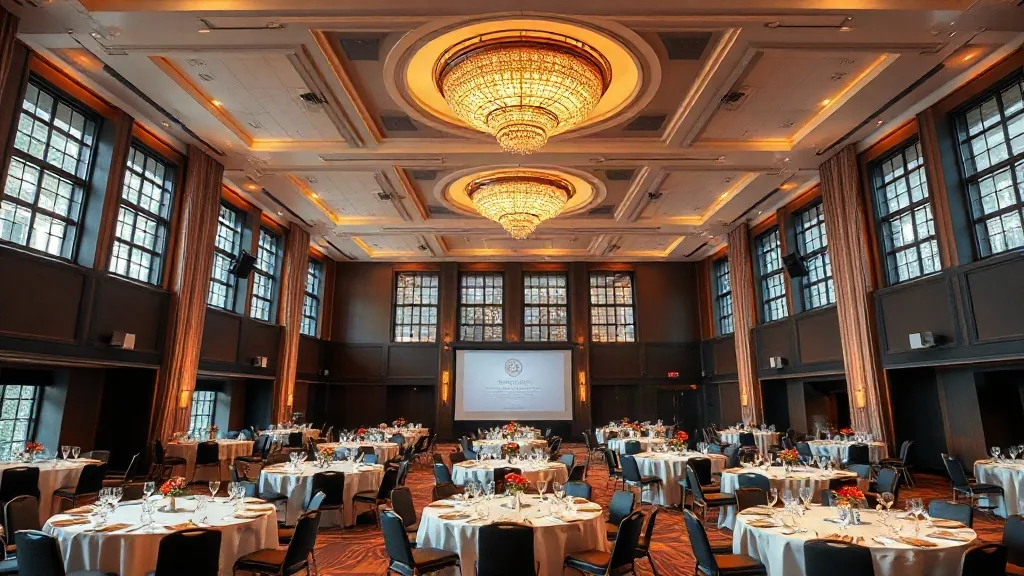
The last time I priced a museum buyout in DC, the quote landed at $28,000 for a Tuesday night in January at a mid-sized institution, before I added the line for their house security guards, which the contract made mandatory. That figure, plus the two-hour load-in cap and the list of rooms I was not allowed to set foot in, came after three weeks of email ping-pong with the events office. Museum spaces create the best rooms in this city, but the museum’s side of the bargain is a stack of restrictions that reads like a legal deposition.
Reading the contract for what it actually forbids, not what it promises
Most planners skim a museum contract for the rental fee and the cancellation policy, then get blindsided on page fourteen. I read for the verbs that govern your stuff, not the price of the room. The first clause I search for is the one about “exhibitions,” which is code for spaces where nothing can move, including a single chair. One client near Dupont Circle wanted a cocktail reception in a gallery that held a temporary show of fragile paper works. The quote looked fine, but the contract listed a separate “gallery surcharge” of $1,800 to cover the extra conservator who had to be present for the duration.
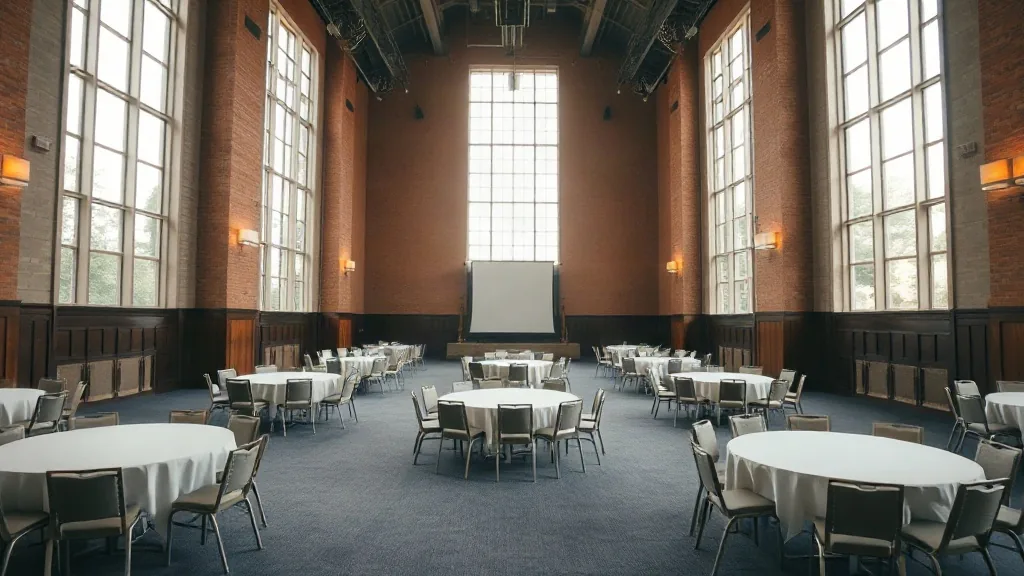
The food and beverage minimum often anchors the whole deal, and it’s the part that swings wildly depending on the date. A Saturday in October at a museum with a blockbuster show will have a minimum of $15,000 or more; the same room on a Wednesday in February might come with a $6,000 minimum. The Wednesday one is better value if your audience is local and your goals are internal, because the building is empty and the staff is bored enough to accommodate your AV requests. Confirm the difference between the space rental and the F&B minimum in writing, because some venues roll them into a single number and some don’t.
Here is a mistake I made once so you don’t have to: I did not ask about filming restrictions. My client wanted a video recap of their gala, and the museum’s policy prohibited tripods on the marble floors without a film permit, which cost an extra $500 and required a certificate of insurance naming the museum as additionally insured. The permit took two weeks to process. Every client I have advised since has been told to get the film permit in the same email where you confirm the headcount.
The curator’s list: beverage rules, coat checks, and the case of the sticky floors
You are not the only person who cares about your event. The curator cares that no one spills red wine on a 17th-century textile. This is the heart of the list. The museum events office will review your caterer’s insurance, their kitchen license, and their burnisher’s approach to floors. Most museums in DC require your caterer to be on their “pre-approved vendors” list, and if yours isn’t, they’ll push you toward their in-house partner, whose plating is fine but whose price is premium.
Beverage policies break down into two types, and you need to know which one you’re dealing with. Some museums allow any drink in clear plastic cups in the galleries and keep the glass for the atrium. Others ban all liquids in any room with art, which means your bars all live in the lobby. Ask for the “wet spaces” list, because that is the actual operational term they use, and it tells you exactly where a drink can go. Then verify the cleanup clause. One venue charged me for “post-event floor maintenance” that had a trigger clause; if a sparkling wine went down on the gallery floor, the museum’s crew had the right to call in a specialist conservator who would invoice you later for an amount that was scary.
Coat check seems easy until the weather changes. Most museums have a designated coat room, but their policy is to not staff it for your event unless you hire their personnel at a posted rate, usually around $35 per attendant per hour with a four hour minimum. Bring your own attendant, or plan around a pile of winter coats on the benches outside the auditorium, which is not a good look for an association’s annual dinner.
Mapping your timeline around exhibition open hours and their noise rules
The museum’s operating hours dominate your timeline more than your agenda does. If a gallery is open to the public until 5 PM, you’re paying for load-in after 7 PM, and the union crew rates can jump by a factor of 1.5 after that hour. My fallback for many client dinners is an event that starts with a private viewing from 6:30 to 8:30 PM (quick, quiet, drinks in the allowed spaces) and then moves to an atrium for dinner. That two-step gets you out of the most restricted gallery before the crew needs to start pulling the tables out of the loading dock, which is usually at 4 AM in DC, a time that never ends well.
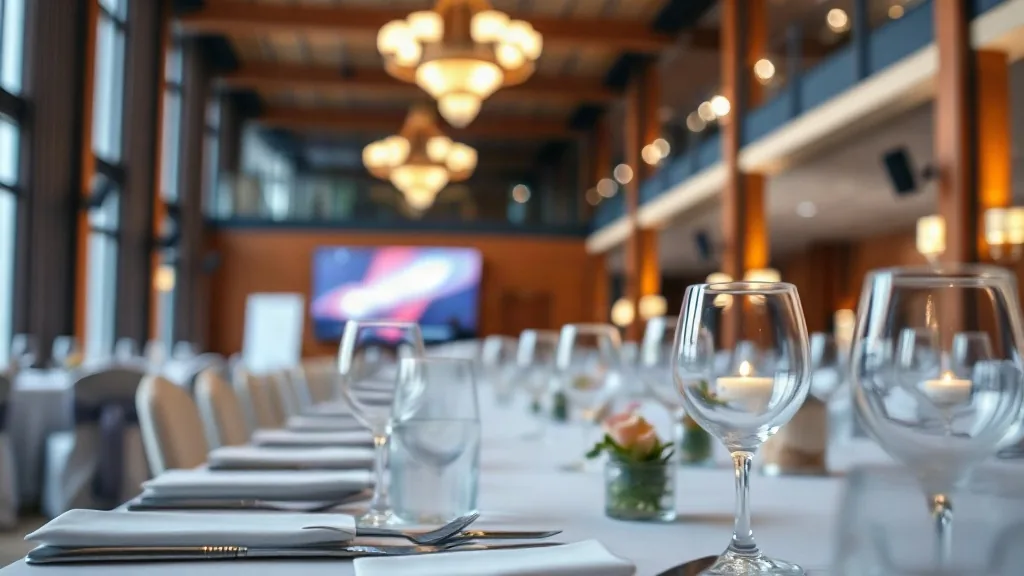
Noise restrictions at museums are often a function of the neighborhood, not the curator’s preference for silence. Many of these venues coexist with residential blocks, and I have seen contracts include strict decibel limits for amplified sound after 10 PM. For a reception at a museum in the Northwest quadrant, my client wanted a three-piece jazz combo. The venue had a max of 82 decibels measured at close range. Talk to your live entertainment team about a sound check with a decibel meter before the contract is signed, because I have had a venue representative stand with an app on their phone during the first set, and it ruined the evening’s energy when they kept walking over with a frown.
I’ll concede that museums enforce their AV rules with real rigor, and sometimes that enforcement is fair. Architects designed many of these buildings with a particular acoustic signature in mind, so a booming PA system will make the room sound horrible. The venue’s own AV team often has a map for which speakers you can rent. For one event in a high-ceilinged hall near Mount Vernon Square, their internal AV partner quoted us $12,000 for a system that we could have bought for less, but they knew where to place the subs so that the marble columns wouldn’t vibrate.
Dealing with damaged art clauses and the finale of the docent-led group
The scariest part of any contract is the clause about damage to artwork. It is standard, but the limits are not. I ask specifically about the damage threshold that triggers a full conservation report. In practice, venues either require a walkthrough with a camera before and after the event, and they note every smudge, scratch, or footprint that pre-exists your event. Take photos and timestamp them; this documentation beats any dispute later. A $2,000 deductible in the insurance rider is common, but it covers the art only, not the floor.
The finale of a good museum event should include a docent-led tour, because that is what makes museums different from a hotel ballroom, but it introduces a staffing cost and a schedule constraint that you have to design backwards from the tour’s end time. A docent in DC runs around $15 to $25 per attendee because you are booking their time through a volunteer coordinator who is not flexible. The lights schedule also matters. Many galleries have a daily log of light exposure for fragile works, and they physically will not turn on a single track light if the curator has not approved a schedule, which sometimes caps your viewing time to a rigid 90 minutes. I often write the agenda around that fixed block rather than asking for exceptions.
Tell me your headcount, your target neighborhood, and whether your keynote needs to happen in the room or whether you want the entire event to flow through multiple galleries. I’ll pull the shortlist by Friday and we can start the audit against the curator’s list together. People always remember the museums they did not have to apologize to afterward. For venues in the Midwest with a similar vibe, I have also seen strong results from museum spaces in Sheboygan that offer more flexible load-in windows than their coastal counterparts.