
The New Employee Orientation Event Playbook: Venue, Format, and the Follow-Through Calendar
New employee orientation events are chronically under-resourced relative to their impact on retention and ramp time. A well-designed NEO event covers the right content, at a venue that signals company culture, and connects to a 30-60-90 day calendar that keeps new hires from falling off the engagement cliff after week one. This is the playbook.

A healthcare client I worked with for three years ran their new employee orientation in the same beige conference room where they held budget reviews. Same projector. Same folding tables. Same catering setup. Their 90-day voluntary attrition rate was 22%. We moved the NEO to an off-site event venue, rebuilt the format, and added a 30-60-90 touchpoint calendar. Ninety-day attrition dropped to 14% over the following year. The venue wasn’t the only variable. But it was part of the signal.
First-day impressions are disproportionately sticky. New employees form judgments about cultural fit, leadership credibility, and job sustainability in the first week that influence whether they’re still there at 90 days. The orientation event is the company’s best chance to set a positive version of those impressions before the realities of day-to-day work do it less charitably.
Who NEO events are for and what they need to accomplish
New employee orientations serve 20-100 people (for most companies, the cohort that onboards in a single month or quarter). They need to accomplish four things:
- Deliver required compliance content (benefits enrollment, IT security, workplace safety, legal and policy acknowledgment)
- Establish clarity on role expectations and performance frameworks
- Create peer connections among the cohort
- Signal company culture credibly
Most NEO programs do the first two adequately and neglect the last two. The result is employees who understand their health insurance options but haven’t met a single colleague outside their immediate team by end of week one.
The venue decision
The venue for a NEO event does not need to be expensive. It needs to be intentional. The signal a venue sends is: “this company thought about where to put you on your first day.” A generic hotel conference room says they didn’t.
Options by cohort size:
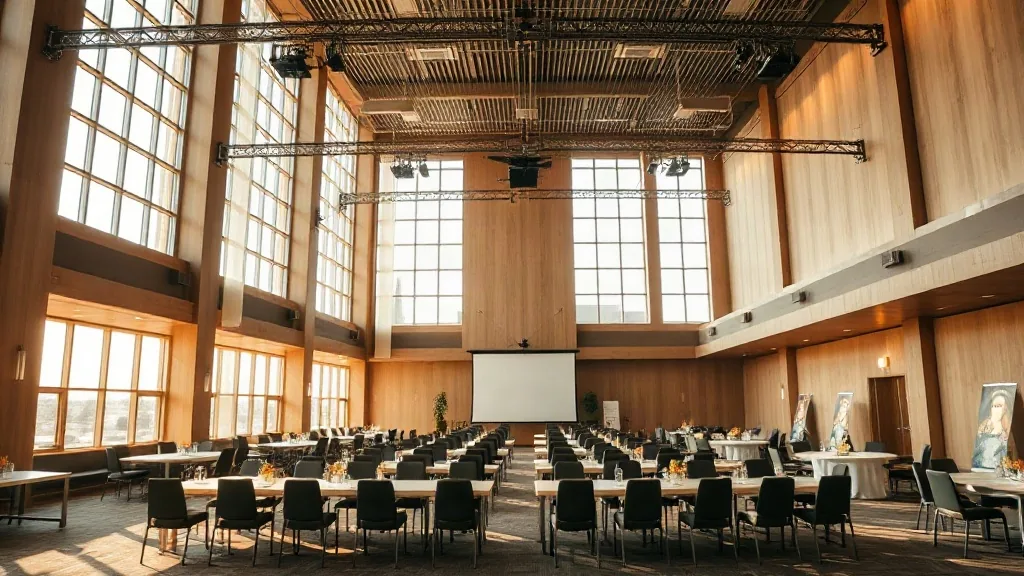
Under 30 new hires: A well-designed room at a coworking space or a company-branded event space works well. The intimate size allows a round-table format where everyone can see each other, which accelerates the peer-connection goal. If the company has an interesting office space with a good collaborative area, using it builds familiarity with the physical environment while signaling the space as a cultural asset.
30-75 new hires: A dedicated event venue or mid-size conference center room. Theater-style for content segments (compliance, executive welcome), round-table for working sessions and meals. The dual setup works in most flexible event spaces. Budget $3,000-8,000 for the venue and A/V for a half-day or full-day event.
75-150 new hires: A larger conference center with breakout room capacity. The main plenary for company-wide content, breakout by department or function for role-specific sessions. This format scales the content delivery while preserving small-group connection.
Regardless of size, the venue should have natural light, comfortable seating that doesn’t look like a classroom, and a decent lunch setup. These seem like small details. For someone evaluating whether they made the right decision taking this job, they’re part of the read.
The agenda format
A full-day NEO agenda that produces the four outcomes:
8:30-9am: Arrival and informal welcome. Coffee, name badges, a seat assignment that puts people next to someone from a different department. Not alphabetical. Intentional mixing.
9-9:30am: CEO or senior executive welcome. In person, not a video. 20 minutes of genuine remarks about why the company exists, what the next 12 months look like, and what success means for someone starting here today. 10 minutes of Q&A from the cohort. This is the highest-leverage 30 minutes of the entire NEO program. A pre-recorded video is a signal that the company doesn’t think new hires are worth 30 minutes of leadership time.
9:30-11am: Compliance content. Benefits enrollment, IT security overview, policy acknowledgments. This is the content that must be delivered and documented. Run it efficiently. Use interactive formats where possible (small group policy scenarios, not solo reading). Do not run this segment before the executive welcome; compliance before culture signals the wrong priority.
11am-12pm: Role expectations and performance framework. Department heads or HR deliver this for each function’s subset of the cohort. This is where breaking into smaller groups by department or function is appropriate.
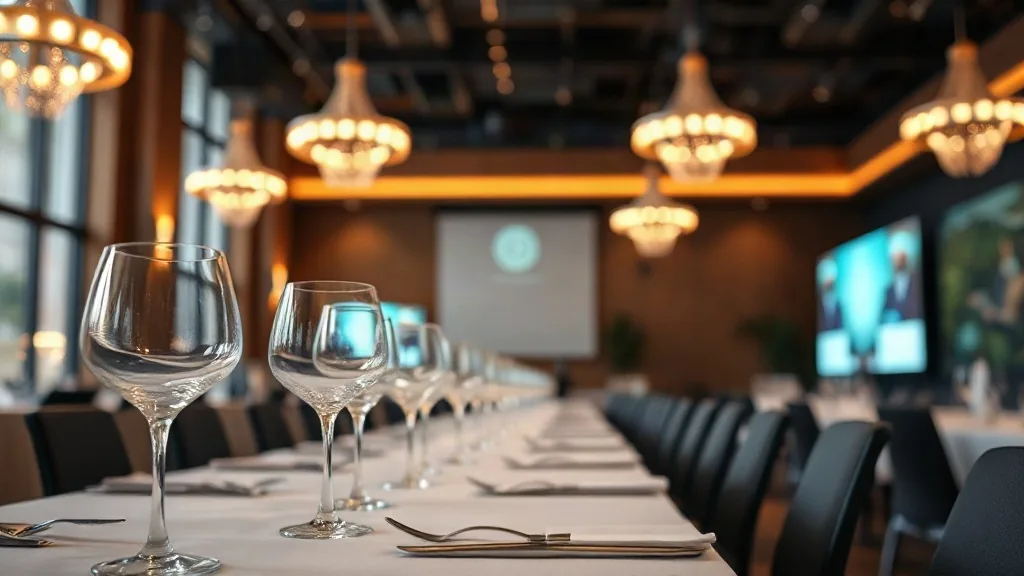
12-1pm: Working lunch. Assigned tables mixing functions and backgrounds. One conversation prompt on the table: “What’s one thing you were doing before this job that you’re hoping to do more of here?” Simple, specific, opens real conversation.
1-2:30pm: Culture and values deep-dive. Not a slide deck of values statements. A panel of 4-5 employees from different tenures (6 months, 2 years, 5 years) talking honestly about what they’ve found true and challenging about working here. New hires can ask anything. This session, when run authentically, is consistently rated the most valuable part of NEO in feedback surveys.
2:30-3:30pm: Working session by department. Department-specific goals, expectations, and first-90-days framework. Each department’s lead runs this session for their new hires.
3:30-4pm: Cohort close and 30-60-90 briefing. The event planner or HR lead walks through what happens next: the 30-day check-in meeting with their manager, the 60-day peer lunch, the 90-day feedback session. Close with a group photo. A physical or digital copy sent within 24 hours.
The 30-60-90 follow-through calendar
The NEO event produces the initial connection. The 30-60-90 calendar maintains it through the period when attrition is most likely.
30 days: Manager check-in meeting (scheduled in the NEO calendar, not left to the manager to book). HR pulse survey: 5 questions, 10 minutes, tracked by cohort. Cohort lunch with the recruiting or HR team, informal, no agenda.
60 days: Cross-functional peer lunch. 4-6 person groups from the NEO cohort, mixed departments. A $50 per-person catering budget or a restaurant lunch stipend. The goal is to create friendships across functions before people become siloed.
90 days: Performance framework review with manager (formal conversation about the first-quarter objectives). HR exit survey invitation for anyone who has left (to understand what happened). Cohort recognition: public acknowledgment of the cohort completing their first quarter in a company-wide channel.
The 30-60-90 calendar should be built into the NEO event day as an explicit deliverable: each new hire leaves with a calendar showing their 30, 60, and 90-day touchpoints already scheduled.
What this costs
A full-day NEO event for 50 new hires:
- Venue rental (full-day, 2 breakout rooms): $2,000-5,000
- AV (projector, wireless mic, screen): $800-2,000
- Catering (breakfast, lunch, afternoon snack): $3,500-7,000
- Event staff (registration, room management): $400-800
- Materials (welcome packet, cohort guide, first-day schedule): $500-1,200
- Group photo (photography or professional headshots as an add-on): $500-1,500
- Total: $7,700-17,500, or $154-350 per person
This is not expensive relative to the cost of replacing an employee who leaves in the first 90 days. The average cost of replacing a salaried employee is 50-200% of their annual salary. One retained employee per cohort pays for the NEO event multiple times over.
What’s the cohort size, industry, and current format? The gaps in the current program drive the redesign priorities.


