
New Year Kickoff Events: Why February Is the Realistic Target (Not January 3)
Venues booked in December for early January rarely have full staff. February gives 6 weeks of real lead time and better hotel room rates. Here's the case for shifting the tradition.

Every year, some executive sends the email in early December: “Let’s plan a company kickoff for the first week of January. Really set the tone for the year.”
And every year, some planner inherits this instruction with three weeks to execute it. I’ve been that planner. I’ve also been the one who talked a client out of January 3 and into February 7. The February event was better in every measurable way.
What “Full Staff” Means in Early January
Hotel and venue catering teams run at peak capacity in December for holiday events. Then December 26 through January 8 is effectively the industry’s vacation period. Line-level catering staff take PTO. AV technicians who’ve been running 12-hour days for holiday events are off. The venue coordinator who would normally be your day-of contact may be on a ski trip.
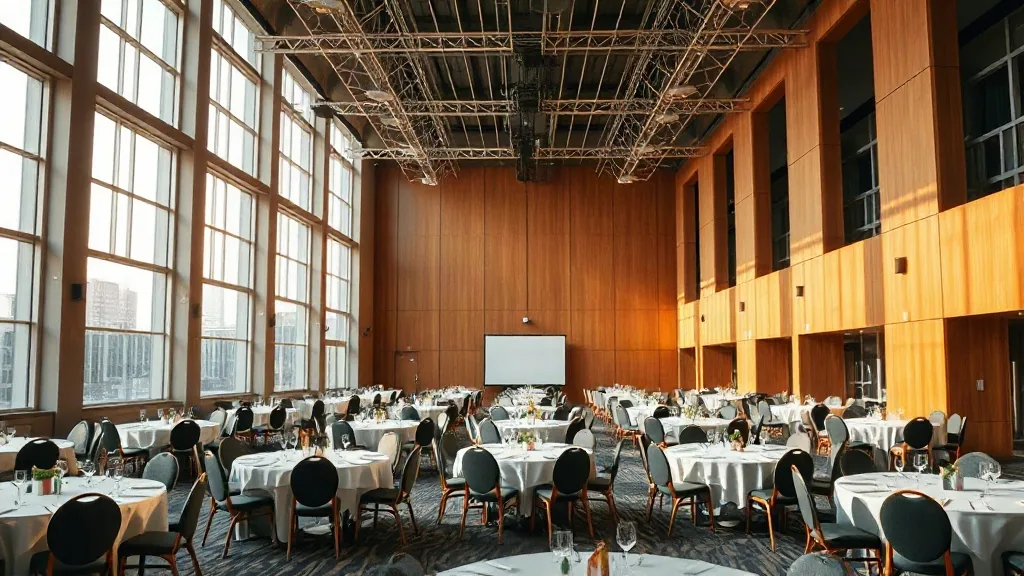
The venue is technically open. The contracts are technically honored. But the staffing bench is thin.
A hotel ballroom event in the first week of January often runs with 60-70% of the experienced staff that same event would have in March. Junior servers fill in. The chef is present but with a reduced brigade. The AV tech who’s there may have six months of experience rather than six years.
This isn’t a complaint about the people working January events. It’s a structural reality of the industry’s staffing pattern. December is the most exhausting month in catering and hospitality. Early January is when the people who worked it recover.
The Hotel Room Rate Picture
If your kickoff event requires attendees to stay overnight, the room block math in early January is often worse than expected.
Late December through early January is not a discount period for hotels in most markets, despite the intuition that corporate demand is low. Leisure travel from New Year’s Eve runs into the first week of January. Holiday shopping extensions, post-Christmas family travel, and the retail side of the hospitality calendar keep occupancy elevated at many properties through January 8 or 9.
The genuine hotel rate discount window in most markets is January 10 through January 25. After that, corporate demand picks up for Q1 events and rates stabilize or rise. Early January sits in an awkward gap: not cheap enough to get the rate benefits of a slow period, but not well-staffed enough to get the service quality of peak season.
February changes this. By February 1, the holiday staffing cycle is fully reset. Catering managers have their full teams back. AV companies have returned from the extended holiday closure. Hotel room blocks in February in most tier-2 markets run 10-15% below the equivalent October rate.
The Programming Argument
There’s also a case on the content side. A kickoff event on January 3 or 6 is competing with employees who just returned from vacation, are still processing the transition back to work, and haven’t yet settled into the rhythm of the new year. Attendance at a January 3 all-hands will be physically present but mentally elsewhere.
February has different energy. Six weeks into the year, Q1 is in motion. Goals have been set. Early results are starting to come in. The kickoff content has actual context because there’s been a month of the year to reference.
The best kickoffs I’ve planned have been in the February 5-15 window. The company has enough of the year behind it to have something to say, but not so much of the year that a strategic moment feels late.
What to Say to the Executive
When a client tells me they want a January 3 kickoff, I ask three questions: “What’s the purpose of the event?” “Who’s presenting and when did you confirm them?” “Do you have a venue already?”

The answer to the first question is usually “get everyone aligned and energized.” The answer to the second is usually “we’re still working on it.” The answer to the third is usually “no.”
Then I lay out the February case: full staffing, better rates at conference centers and hotels, better attendee mindset, more time to confirm your speakers, and the opportunity to anchor your programming to actual Q1 context. I’ve converted about 70% of January-3 mandates into February-14-area events. The other 30% get a January 10-15 date, which splits the difference.
The Logistics of Moving the Tradition
Some companies have a genuine year-one culture around a January kickoff and moving it requires internal political capital. If that’s your situation, the minimum effective move is from early January to January 10-15. That’s enough runway to ensure the venue is fully staffed and you’re past the worst of the hotel rate distortion.
If you can move to February, the format options open up. A two-day conference format is easier to execute in February than in January because breakout speakers, external panelists, and facilitators have had time to prepare. A social component on the evening of day one works better because people aren’t still fighting their way back from the holidays mentally.
Event venues that specialize in corporate kick-off formats often have specific packages available in February that they don’t advertise for January because their January capacity is limited by staffing. Ask what the venue does differently for February-scheduled events versus January. The answer is usually “more of everything.”
The Room Block Difference
One more argument for February that rarely gets mentioned in the January-versus-February conversation: the hotel room block.
For a national kickoff event where attendees are flying in, the room block rate matters. Early January room blocks, as I noted above, sit in an awkward pricing zone where leisure travel from the holiday period hasn’t fully cleared but corporate demand is low. Hotels are inconsistent about how they price this.
February room blocks are simpler. Corporate demand is low, leisure demand is low, and hotels in most markets are offering their most competitive group rates of the year. A room block at a tier-2 city hotel in February often runs $15-25/night below the equivalent October rate at the same property. On 80 rooms for two nights, that’s $2,400-4,000 in savings compared to the fall equivalent, and it compounds with any venue-rate concessions you’ve already negotiated.
The combined effect, when you add up venue savings, staffing quality, room block rates, and attendee engagement, makes a February kickoff a genuinely better event at a genuinely better price in most markets. The tradition of January isn’t worth defending on the numbers.
What’s your headcount and city? I’ll tell you what the February window looks like for your event.


