New York vs DC for an Association Annual Meeting: Venue Cost, Logistics, Member Travel
DC's convention center and hotel room-block rates run 18-25% below New York's for the same scope. Member travel patterns and the speaker market usually decide which city actually wins.

I’ve planned annual meetings for policy associations in both cities. The financial case for DC is almost always stronger than the case for New York. The reasons associations still choose New York anyway are real and worth understanding, because they’re not irrational. They’re just often not quantified.
Here’s the full comparison, line by line.
Convention Center and Hotel Ballroom Options
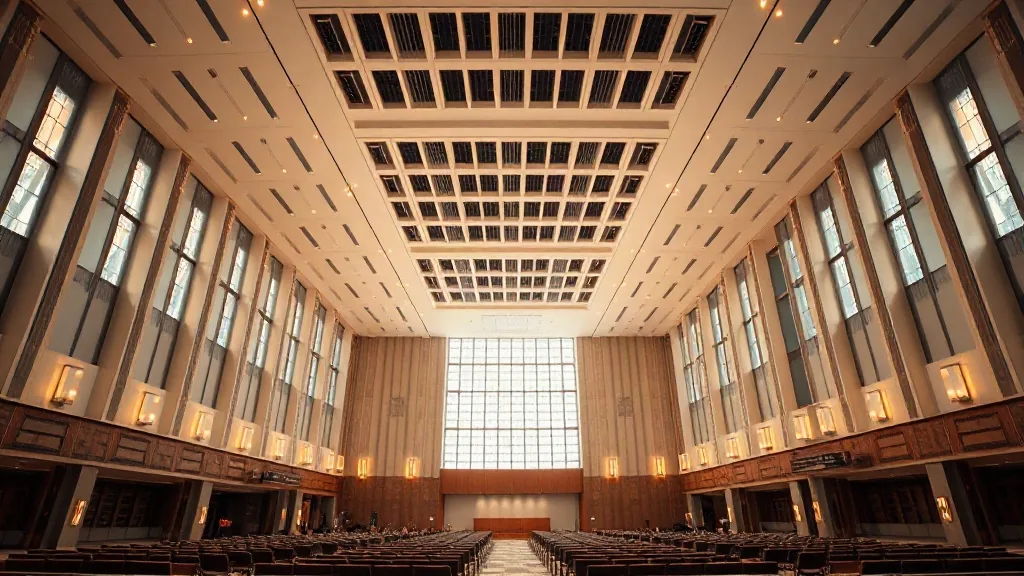
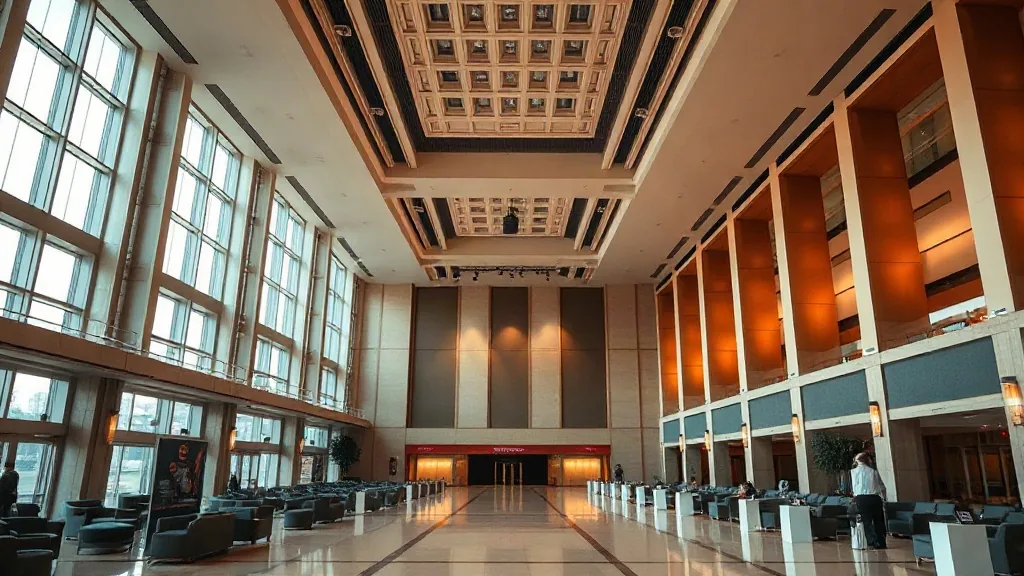
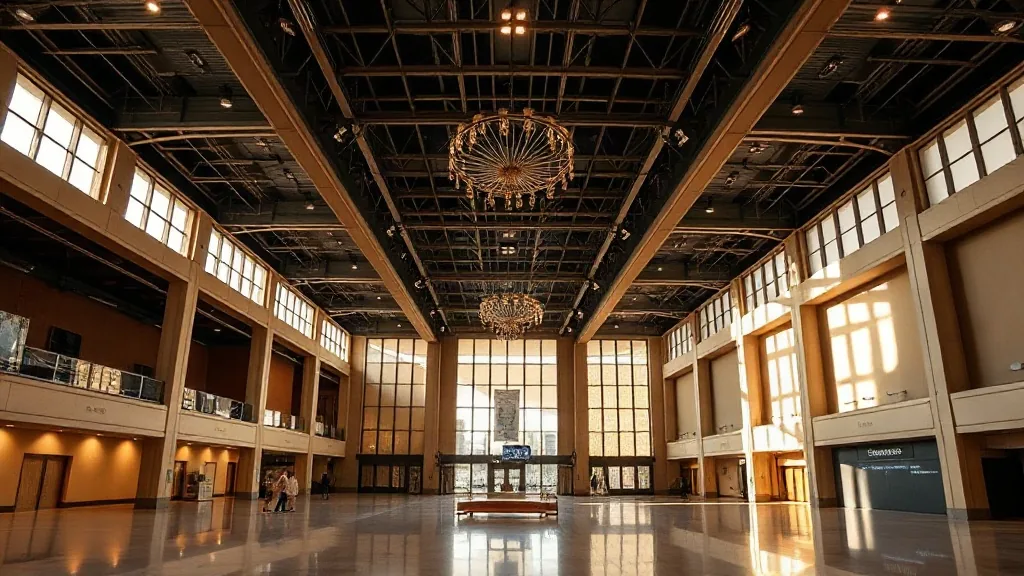
New York’s main convention facility is the Javits Center, which is excellent for events over 2,000 attendees but expensive and logistically complex for anything below 1,000. For an association annual meeting at 500-1,200 attendees, the more common New York options are hotel ballrooms at the Marriott Marquis, the Hilton Midtown, or the New York Hilton. These are functional but not destination venues. You’re paying New York prices for a hotel ballroom that looks like a hotel ballroom.

DC’s Walter E. Washington Convention Center handles 500-8,000 people with purpose-built meeting infrastructure and a more favorable cost structure than Javits. For associations in the 500-1,200 range, DC also offers the Omni Shoreham, the Washington Hilton, and the Grand Hyatt, all of which have ballroom capacity above 900 and negotiated group rates that run lower than comparable New York properties.
Hotel Room Block Rate Comparison
This is where DC’s advantage is most concrete.
| City | Negotiated group rate (full-service, downtown) | For 800 rooms, 3 nights |
|---|---|---|
| New York (Midtown) | $289-$365/night | $693,600-$876,000 |
| Washington DC (downtown) | $229-$295/night | $549,600-$708,000 |
The difference: $144,000-$168,000 for the same room block scope. That’s before you factor in that DC hotels typically offer more aggressive concessions (comp ratio of 1:40 vs New York’s 1:50-60) and are more willing to waive or reduce resort fees for group contracts.
Member Travel: Where Your Membership Lives
The single factor that most overrides the financial comparison is member origin. If 60% of your membership is on the East Coast, both cities work. If 40% or more of your membership is from the Midwest or South, the airport access comparison matters.
Ronald Reagan National (DCA) is one of the most efficient domestic airports in the country for East Coast and Southeast travelers. Dulles (IAD) is better for international and long-haul domestic. Combined, DC’s airport access for a national association is very good, though not quite at the level of O’Hare or Atlanta.
JFK and LaGuardia serve more routes but the city’s ground transportation friction adds 45-75 minutes to effective travel time from either airport for a midtown hotel. Newark (EWR) is faster to midtown than either but still adds transit complexity.
For a membership that skews government, policy, legal, or federal contractor, DC wins on travel convenience because many members are already there or have colleagues there. For a membership that skews finance, media, or technology, New York wins on the same logic.
The Speaker Market
DC’s speaker market is the strongest in the country for policy, regulatory, and government content. Former cabinet officials, senior agency staff, congressional committee members, and think tank fellows are all physically present in DC in a way they aren’t in New York. A DC annual meeting can assemble a speaker slate for $0-$40,000 in fees (many government officials speak at no charge for nonprofit or association events) that would cost $80,000-$150,000 in travel and fees to replicate in New York.
If your program’s value proposition is government access and policy content, DC’s geographic advantage in speakers alone can offset 40-50% of the hotel room rate premium you’d otherwise pay in New York.
New York’s speaker advantage is in finance, media, and entertainment. If your association serves those industries, the reverse logic applies.
Side-by-Side Summary
| Factor | New York | Washington DC |
|---|---|---|
| Hotel room block (800 rooms, 3 nights) | $693K-$876K | $550K-$708K |
| Convention center / ballroom cost (1,000 people, 3 days) | $85K-$130K | $60K-$95K |
| Speaker access (policy/regulatory content) | Lower; most fly in | Higher; most local |
| Ground transportation complexity | High | Moderate |
| Member appeal as destination | Very high | High |
| Concession generosity | Moderate | More generous |
When New York Makes Sense Anyway
Membership prestige matters in some associations. For an annual meeting that competes with peer associations for attendance, New York’s name value drives registration in a way that DC doesn’t. If your annual meeting registration has been declining, a New York location can add 8-15% to attendance in markets where New York carries aspirational weight. That increase in registration revenue can offset part of the hotel premium.

New York also makes sense if your annual meeting runs alongside another industry event that’s already anchored in New York (like a financial industry conference in May or a media industry event in the fall). Piggybacking on existing travel patterns reduces member travel cost even as your own venue cost increases.
The Recommendation
For a 500-1,200 person association annual meeting where budget is a primary constraint and program content is policy-focused, DC saves $150,000-$250,000 versus New York at comparable quality. That saving funds two years of your association’s programming budget.
For a membership that skews finance or tech and for whom New York is the aspirational city, the premium is defensible if registration revenue supports it.
The Registration Revenue Offset Calculation
If you’re considering New York because of its registration premium, run the math before accepting the conventional wisdom. Take your last three years of attendance data and identify the members who attended a national meeting versus those who didn’t. If geographic proximity was the primary factor (members close to the host city attend more), New York’s premium draw will only work if a significant portion of your non-attending membership is within 300 miles of New York City.
If your association is truly national with members distributed across all 50 states, New York’s geographic draw is no stronger than DC’s for any member more than 300 miles from either city. The destination premium requires members to value New York as a destination. Members who are flying from Denver, Phoenix, or Seattle are making a travel decision based on flight cost and conference content, not on which East Coast city the conference is in.
What the Venue Selection Communicates to Members
There’s a signal dimension to city selection that association executives sometimes underweight. For a policy association whose membership includes government officials, congressional staff, and regulatory professionals, holding the annual meeting in DC sends the message that the association is proximate to the decision-making it seeks to influence. That message has value in member recruitment and retention.
For an association whose membership is primarily private-sector professionals who want to demonstrate their policy engagement, New York’s financial and media industry adjacency can signal that the association operates at the intersection of policy and markets. That signal has value for a different membership profile.
The city selection is a brand decision as much as a logistics decision. Make it consciously.
Start your RFP with convention centers in the DC area and get a DC proposal in hand before you evaluate New York. The contrast will clarify your board’s priorities faster than any internal debate.
For more on the mechanics of this process, see room block math for a three-day conference and how to write a venue RFP that gets real answers.