
Parking, rideshare, and the arrival experience you forgot to plan
The first ten minutes of your event happen in a parking garage or a rideshare queue, not the ballroom. Here is how I budget valet, stage a drop-off lane, and keep 300 people from stacking up at one door.
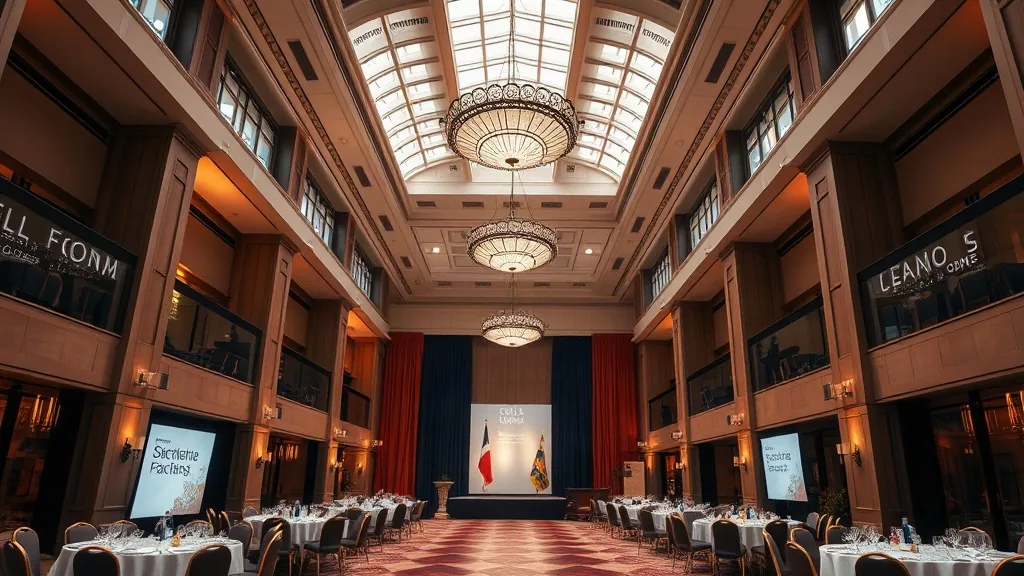
A finance client once told me the worst part of a leadership summit I ran was the parking. The content scored 4.6 out of 5 on the post-event survey. Parking scored 2.1. We had 280 people arriving inside a 40-minute window, one valet stand rated for a wedding of 120, and a single hotel entrance. Cars backed onto the access road by 7:52am. People walked in already annoyed, and no keynote fixes that.
So now I plan the arrival before I plan the agenda. The room is what the client remembers. The curb is what decides their mood when they walk in.
Count the arrival window, not the headcount
The mistake is planning for total headcount. What matters is how many of those people arrive in the same 30 minutes. A 300-person conference with a 9am general session means roughly 240 of them show up between 8:15 and 8:50. That is 8 cars a minute if half self-drive. A valet stand that turns a car in 90 seconds needs at least 12 attendants to keep pace, and most hotels staff 4.
I ask the venue two numbers before I sign anything. How many cars can the valet process per minute at peak, and how many self-park spaces sit within a 3-minute walk of the entrance I am using. If the second number is under 0.6 spaces per attendee, I plan overflow before the contract is dry.
The valet math nobody runs
Valet at a downtown hotel or resort runs $18 to $32 per car in a tier-1 metro, and the venue almost always wants you to prepay a guarantee. Here is the number that surprises people. If 55 percent of a 300-person event self-drives and the rest carpools or rideshares, you are valeting around 110 cars. At $26 a car that is $2,860, and the hotel will ask you to guarantee 130. Prepaying valet as a host perk feels generous. It also creates the bottleneck, because free valet pushes everyone to the same lane at the same time.
I split it. Host-paid valet for VIPs and speakers, validated self-park for everyone else. Self-park spreads the load across a garage with six lanes instead of one valet stand. The garage costs the client $12 a car validated, less than half the valet rate, and it clears faster.
Rideshare needs a named pin and a marshal
Rideshare drivers do not read your run of show. They drop at whatever door the app pin lands on, and the default pin for a big venue is often the main lobby, which is the one door you want kept clear. I set a custom rideshare zone with the venue, drop a labeled pin, and put one staffer in a bright vest there from 30 minutes before the first session. That person does one job: keep the drop-off lane moving and point people at the right entrance.
For a 250-person event I budget that marshal at 3 hours and about $75 in staffing. It saves the entrance jam that a registration table setup cannot fix on its own, because the jam starts at the curb, not the check-in desk.
Accessibility is a curb decision, not a ramp decision
Every arrival plan I build names the accessible drop-off before anything else. The ADA space closest to the entrance is legally required, but it is useless if your valet cones block it or your rideshare marshal doesn’t know it exists. I walk the path from that space to the registration desk myself, timing it, checking for one thing: can someone using a wheelchair get from car to check-in without a single step or a heavy door with no automatic opener.
At one museum event the accessible space was fine and the only route to the ballroom went through a service corridor with a 2-inch lip at the threshold. We fixed it with a portable ramp the venue owned and had never used. Ask the question before the day, not when a board member is stuck at a doorway.
Signage starts three turns out
People decide they are lost while they are still driving. I place the first directional sign at the last turn before the property, not at the front door. For a convention center with three entrances, a sign that just says the company name at the wrong door sends 80 people to the wrong lobby, and now your one registration desk is fighting a crowd it was never sized for.
My rule is three touchpoints: a sign at the approach, a sign at the correct entrance, and a human inside the door. The human matters most. A staffer who says the room name and points costs you 4 hours of staffing and removes more confusion than any printed sign.
Weather is part of the plan in Florida
I book a lot in Florida, and an outdoor drop-off with no covered path is a gamble from June through September. A 3pm arrival for an evening event lands right in the afternoon storm window. If the covered entrance is on the opposite side from the parking, I either move the arrival door or stage golf carts. One event venue I use keeps two covered carts for exactly this, and they cost nothing to request but everything if you forget to.
Build the arrival timeline like a run of show
I write a separate arrival timeline for events over 150 people. It lists the first arrival, the peak window, the valet staffing count, the marshal shift, and the moment the last shuttle runs. It reads like a shipping schedule because that is what it is. I hand it to the venue three days out and walk it with their front-of-house manager, the same way I would walk a catering order or an AV cue sheet. The parking plan deserves the same attention as the parking ratio by city tier that told me how many spaces I needed, and the same rigor I bring to the parking negotiation with the venue months earlier.
Shuttles for off-site parking
When the venue’s own parking cannot hold the peak, the answer is often a shuttle from a satellite lot, and the mistake is under-running it. A 40-passenger shuttle takes about 12 minutes round trip to a lot half a mile away, which means it moves roughly 200 people an hour on a single loop. If 240 people arrive in a 30-minute window, one shuttle leaves 160 of them waiting, and now the arrival jam moved from the curb to a parking lot where nobody can see it. For that curve I run two shuttles on staggered loops so a bus is at the lot every 6 minutes, and I budget the pair at around $1,600 for a four-hour morning.
I also name a shuttle captain at each end. One staffer at the lot loading people, one at the venue directing them to the door. Without the captains, the shuttle arrives and forty people mill around the drop-off wondering which entrance is theirs, which undoes the whole point of running the shuttle in the first place.
The arrival is the first promise your event makes. Get it wrong and the room has to win the audience back before you have said a word.
So tell me your numbers. What is your peak arrival window, how many of your attendees will self-drive versus rideshare, and does your entrance sit under cover? Give me those three and I can tell you whether your curb is going to hold.


