
Why Planners Are Saying No to In-Event Social Media Coverage
Three years ago every corporate event brief included a social media strategy. Now I'm fielding requests to actively block it. The shift is real, it's accelerating, and it's not just a legal reaction — it's a cultural one.

Three years ago, a corporate event brief that didn’t include a social media strategy would have raised a flag. Who’s doing the live-tweeting? What’s the event hashtag? How do we get the keynote speaker’s quote to trend? The in-event social presence was treated as a default deliverable, like the name badges and the AV setup.
In the last twelve months I’ve had five clients ask me to explicitly prevent or discourage in-event social media coverage. Not five out of a hundred. Five out of the eighteen corporate events I’ve run since January 2025.
That’s a real shift. And it’s not coming from the same place for all five of them. Let me walk through what I’m actually seeing.
The healthcare/pharma context (where the pullback started)
I work primarily with healthcare networks and financial-services firms in Florida, and the early pull back from social coverage came from the healthcare side. It’s not hard to understand why.
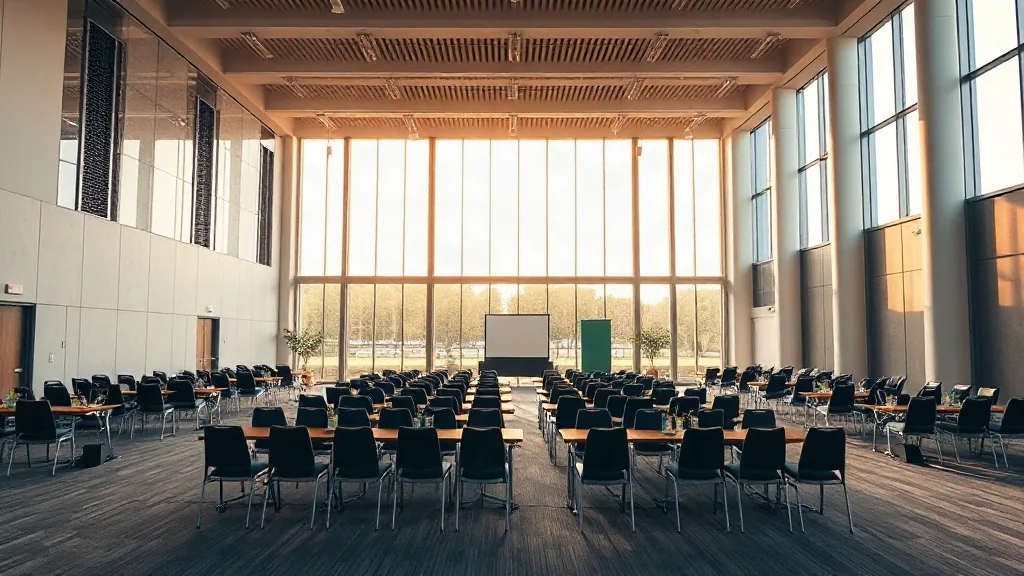
An event where a physician discusses specific patient outcomes. A panel where healthcare executives discuss upcoming regulatory strategy. A presentation where a hospital system’s CFO references specific acquisition targets. None of this should be on LinkedIn at 3pm before the session is even over. The compliance and legal risk is specific and serious, and most healthcare organizations learned this the hard way — someone tweeted something at a conference in 2021 or 2022 that created a real problem, and now the brief includes “no live social coverage of the content sessions.”
The medical-education sessions I’ve run at Florida conference centers for healthcare networks in the last two years have increasingly included this language in the attendee communications. “This is a closed educational event. Please refrain from sharing session content on social media.” That’s a real instruction, not a suggestion.
The financial-services context
Different legal driver, same practical outcome. A company announcement that lands on LinkedIn two hours before the press release goes out is a securities issue in some contexts. An executive commentary on a competitor that circulates on Twitter before the full context is clear is a communications disaster. Financial-services firms with any publicly traded component have become very careful about what happens in their internal events that has any possibility of going external.
The Tampa Bay venues I use for financial-services events are now getting explicit social-coverage restriction clauses in their client agreements — not the venues imposing them, clients requesting them as a standard term. I’ve seen this in contract language for three separate events this year.
The executive event context (different driver entirely)
This one is the most interesting to me because it’s not legal compliance — it’s preference.
A growing number of senior executives simply do not want to be photographed and tagged at corporate events. This isn’t about the content of what they say. It’s about the ambient surveillance quality of being at a corporate event where anyone in the room can photograph them, tag them, and post it without asking. The C-suite executive who prefers to attend an industry dinner without appearing in twenty LinkedIn posts the following morning is not a paranoid outlier. It’s becoming a normal preference.
I had a client — a CFO at a mid-size healthcare system — specifically say to me: “I want to attend this event as a person, not as content.” That’s a real thing people are feeling, and the planners who recognize it and build events around it are getting more repeat business from that senior tier.
Invite-only events with a no-phones request at content sessions are increasingly easy to fill when the guest list is senior. The DC corporate event venues I use for policy and association work have been fielding this request for longer than the FL venues — the Washington culture of “this is a closed event” has always been stronger — but it’s spreading.
What “no social coverage” actually means to implement
This isn’t as simple as putting a line in the attendee communication. Let me break down what I’m actually doing when a client requests this.
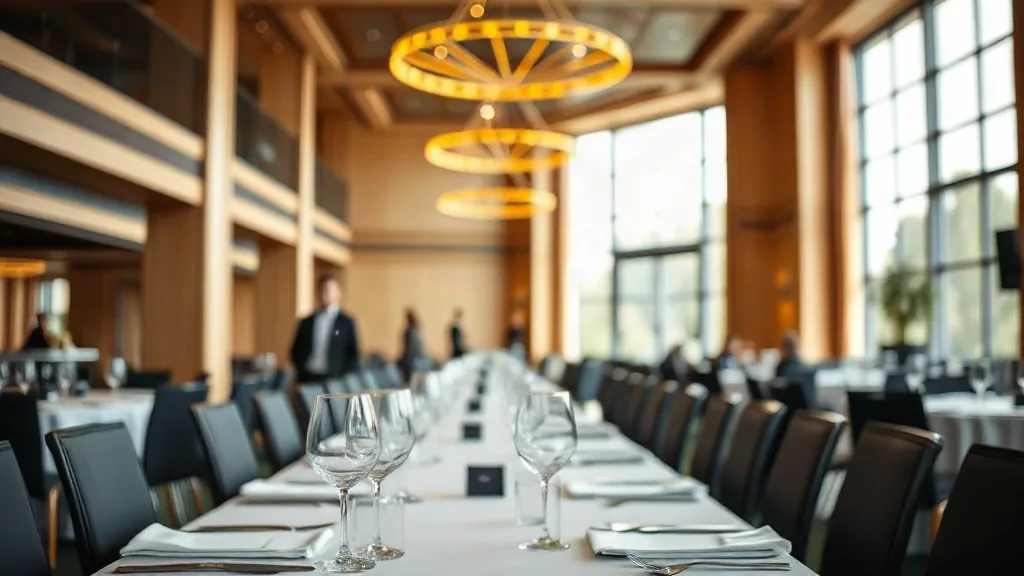
Content sessions versus receptions. Most clients who want restricted social coverage are specifically concerned about the content sessions, not the whole event. A 90-minute speaker session followed by a cocktail reception — the restriction applies to the session, not the reception. People can take photos at the cocktail hour. Getting this distinction right in communications prevents you from seeming like you’re running a CIA briefing.
Attendee communication timing. The no-social request needs to go out early — in the registration confirmation and again in the event-day reminder — not as a surprise announcement when people walk in the door. Springing a “please put your phones away” at the start of a session generates resistance. Communicating it clearly three times before the event makes it feel like a known norm.
The Chatham House model. For events where the content is sensitive but the fact of the event itself isn’t a secret, the Chatham House Rule is the right framework: attendees can use and share information from the session, but not attribute it to any specific speaker or venue. I’ve now used this framework in three corporate events — it’s borrowed from the policy world but it works well for corporate contexts where the concern is attribution, not content itself.
Venue staff alignment. The venue’s event coordinator and floor staff need to know. I had a venue photographer assigned to our event — contracted by the venue — posting photos from a restricted session to the venue’s own Instagram account in real time. That was a conversation. Now it’s in my standard venue communication: “This event has a social media restriction for sessions. Please confirm this applies to venue-assigned photographers and social accounts.”
The trend underneath the trend
I want to name what I think is actually happening here, because I think the individual reasons I’ve listed are all real but they’re also symptoms of something bigger.
The corporate event was quietly optimized for social media coverage over the past decade. The backdrop designed for the keynote photo op. The hashtag in every slide. The social media manager embedded in the event team. That optimization happened because leadership teams wanted the visibility and the marketing value. It happened during a period when social media attention was broadly positive and the downsides of external visibility were lower.
The calculation has changed. Social media visibility for a corporate event now comes with: real-time criticism amplified immediately, selective quoting that strips context, photographic documentation of who attended and what they said, and an ambient feeling among senior attendees that they are performing rather than participating.
The shift toward closed, camera-optional, social-quiet events is a cultural response to that changed calculation. It’s not uniform — consumer brands still want the Instagram moment. But for B2B corporate events, the trend is real and I expect it to accelerate through 2026 and 2027.
The venues that understand this are the ones building private entrances, investing in genuine acoustic separation between event spaces so you can run a restricted session without the noise from an adjacent open event, and training their staff on the difference between a documented event and an undocumented one.
You can find venues set up for this kind of private, camera-controlled corporate event in the meeting spaces directory and conference centers directory. Look for historic buildings and private clubs in addition to the standard hotel conference rooms — the culture of discretion in those spaces is built in.
Send me the brief. If your event needs social coverage restrictions, I’ll walk you through how to implement them without making your attendees feel like they’re being surveilled.


