
Rental companies: what to order and what the venue already has
I've seen planners rent 200 chairs for a room that came with 220, and skip a generator for a warehouse with no power. The rental order is a subtraction problem: order what the venue lacks, nothing it already owns. Here is the inventory walk that gets it right.
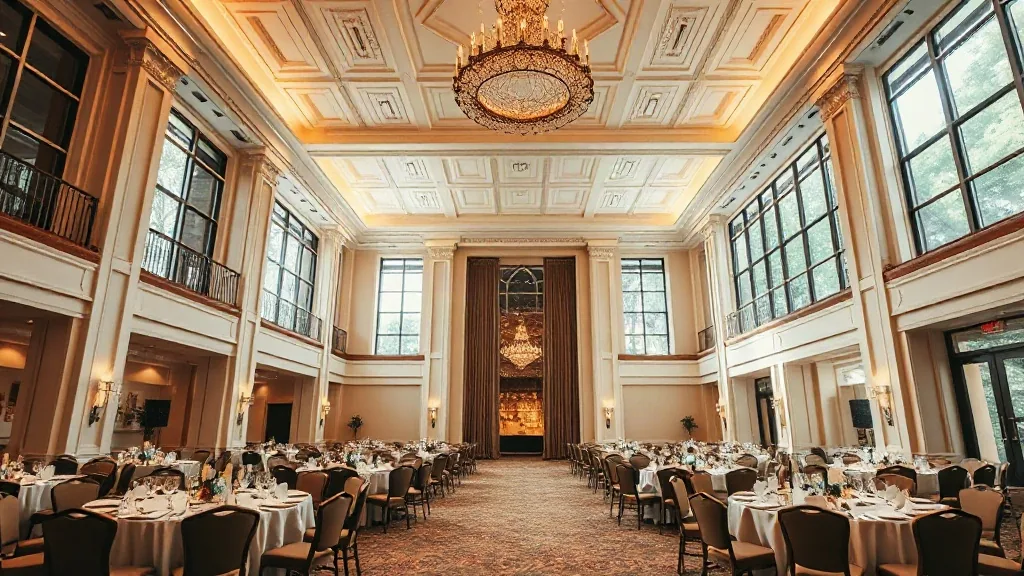
A planner I coached ordered 200 folding chairs from a rental company for a 180-person seated lunch. The venue, a mid-size event venue, already stocked 220 banquet chairs in the price of the room. She paid about $1,400 to truck in chairs that were already there, stack the venue’s chairs in a corner, and truck the rentals back out. Same week, a different client booked a raw warehouse venue and didn’t order a generator, then discovered at load-in the space had a single 30-amp panel that couldn’t run the catering and the AV at once. One over-ordered, one under-ordered, both made the same mistake: they wrote the rental order without a clean inventory of what the venue already owned.
The rental order is a subtraction problem. Start with everything the event needs, subtract everything the venue provides, and order the difference. Get the subtraction wrong in one direction and you pay to duplicate what’s already there. Get it wrong the other way and you’re improvising at load-in when the missing piece can’t be conjured. Neither happens if you do the inventory walk first.
Do the inventory walk before you call a rental company
At the site visit, I don’t just look at the room. I count what’s in it and what comes with it, and I get the list in writing from the venue, because “we have chairs” and “we have 220 stackable banquet chairs included in your rental” are different facts. My standard inventory questions:
- Seating. How many chairs, what type, and are they included or a per-piece add? Same for tables: how many 60-inch rounds, 6-foot rectangles, cocktail highs, and are they in the room fee?
- Linens. Does the venue stock house linens, what colors and sizes, and are they included? House linens are often free and fine, which changes the whole linen order.
- Power and lighting. How many circuits, what amperage, where are the panels, and is there house lighting I can use? This is the one that bites at raw spaces.
- Kitchen and service. Is there a real kitchen, a warming pantry, or nothing? No kitchen means the caterer brings mobile equipment, which is a rental line.
- Restrooms, dance floor, staging, AV. What exists versus what I truck in.
The venue’s included inventory is the difference between a $2,000 rental order and an $8,000 one, and it’s free information you get by asking. I check the room fee itself against venue rental fee benchmarks by space type partly to understand what should be bundled into it, because a higher room fee that includes tables, chairs, and linens is often cheaper than a bare room plus a full rental order.
What furnished venues already cover
A standard event venue, banquet hall, or hotel ballroom usually comes stocked: banquet chairs, a mix of round and rectangular tables, house linens, basic house lighting, a kitchen, and restrooms. At those rooms your rental order is small and specific. You’re renting the things the house doesn’t stock: specialty furniture for a lounge, a particular linen the house colors can’t match, a dance floor if there isn’t one, maybe upgraded chairs if the house Chiavaris are tired.
The over-order happens exactly here, at furnished venues, because planners write a full rental order out of habit without checking what’s included. Before you rent a single chair, confirm the house count. Renting furniture into a room that already has it is the purest form of wasted budget I see.
What blank spaces make you bring
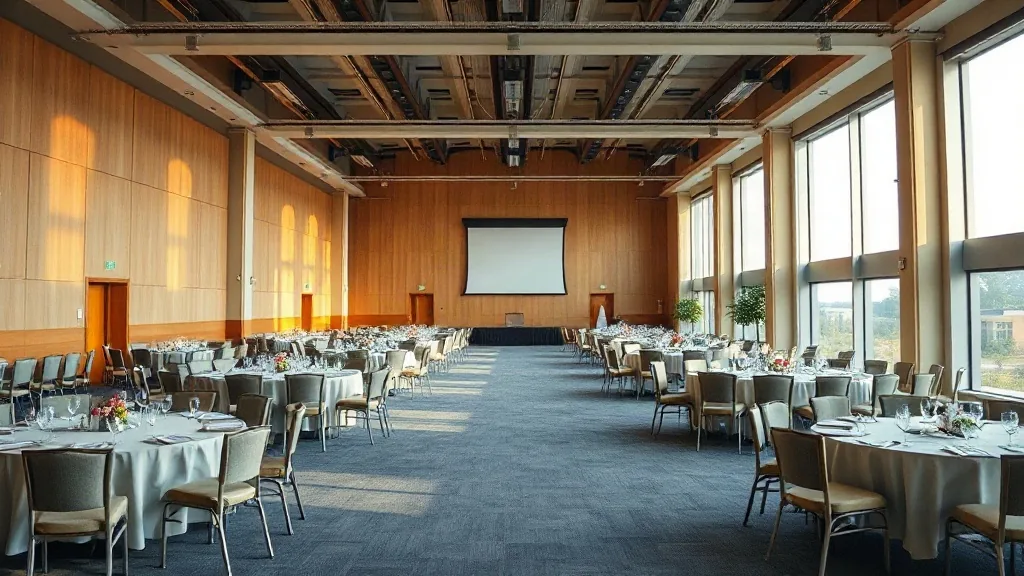
A raw warehouse or a loft or industrial space is the opposite problem. The room is a shell, and everything that makes it an event is a rental line: tables, chairs, linens, lighting (both the atmospheric wash and the working light so people can see), a generator or supplemental power, climate control if the space has no HVAC, restroom trailers if the building’s facilities can’t handle the headcount, a kitchen setup for the caterer, and often flooring or a dance floor.
At a blank space the rental order is the event, and the under-order is what kills you. Power is the classic miss. A caterer’s convection ovens, coffee urns, and warming units plus a full AV package can pull far more than a raw building’s panel provides, and the fix at load-in is an emergency generator rental at a premium, if you can even get one same-day. I price and plan power for blank spaces the way I’d plan the catering, as a core line, and I build the furniture order using my furniture rental sourcing approach so I’m buying from a rental house directly instead of through a decorator’s markup.
The line items worth double-checking
A few categories cause the most confusion between what’s rented and what’s included:

Linens. House linens are usually free and usually fine for an internal event. You rent linens when you want a specific color, a floor-length drop the house doesn’t stock, or a texture for a nicer event. Know the linen and china cost band by tier before you upgrade, because specialty linen adds up fast across 25 tables and it’s easy to over-spec.
China, glass, and flatware. If the venue has a kitchen and a catering operation, service ware is often included or comes through the caterer. At a blank space with an outside caterer, you rent all of it, and the count matters: you need place settings for your guaranteed headcount plus a 5 to 10% overage for breakage and re-sets.
Tables. Even furnished venues rarely stock enough of every shape. A room with plenty of rounds may have three cocktail tables when your reception needs fifteen. Order the gap, not the whole inventory.
Order to the count, plus a small buffer
Once I know what to rent, I order to the actual count with a modest buffer, not a padded one. Chairs and place settings at guaranteed headcount plus 5%. Tables at the exact number the floor plan calls for. Linens to match the table count plus a couple of spares for a spill or a re-set. Over-ordering “to be safe” on rentals is a quiet 15 to 20% of budget that never gets used, and rental companies won’t stop you from doing it.
Then I confirm delivery, load-in window, and pickup with the rental company against the venue’s dock hours, because a rental delivery that arrives before the venue opens or after load-in closes is a rescheduling fee and a scramble.
The rental order is entirely knowable in advance. It’s the venue’s inventory list subtracted from the event’s needs, ordered to count, delivered inside the load-in window. Do the walk, get the included list in writing, and you neither pay to duplicate the house chairs nor discover the missing generator at 6am.
So before you place a rental order: is your venue furnished or a blank space, and do you have the venue’s included-inventory list in writing? Send me those two things and your headcount, and I’ll tell you what to order and what to leave alone.


