
Retail franchisee conventions: feeding 800 owners without a riot
Eight hundred franchise owners hit a buffet at the same minute and the line stalls at the carving station. Feeding a convention this size is a throughput problem, not a menu problem. Here is how I move 800 people through lunch in 45 minutes.
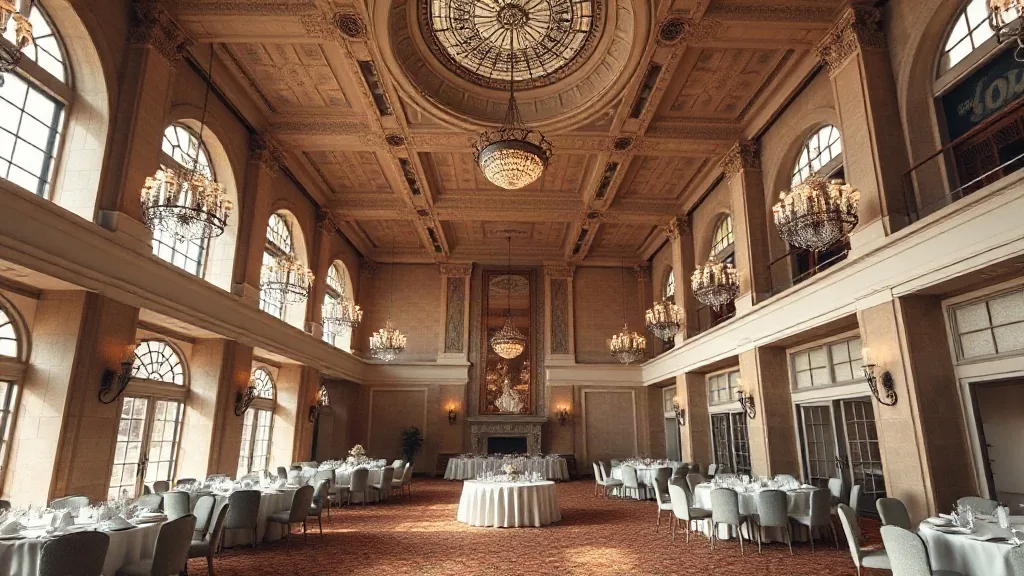
The worst lunch I ever watched was 800 franchisees and two buffet lines. The general session let out at 12:15 and every owner in the building wanted food at 12:16. Two lines meant 400 people per line, and a single carving station at the front of each meant the whole room throttled down to how fast one chef could plate prime rib. By 12:50 the back of the line hadn’t eaten and the 1:15 breakout started with a third of the room still holding plates. That’s not a catering failure. That’s a math failure, and it was the planner’s, so it was mine.
I produce franchisee conventions for retail and food-service brands, and the meal periods are the hardest logistics of the whole event. These aren’t casual attendees. They’re owner-operators who took two days off from running their store, and if lunch is a mess, that’s the story they tell at the bar and in the post-event survey. Feeding 800 people isn’t about the food being good. It’s about throughput, and throughput is a number you can design for.
The throughput math nobody runs
Here’s the rule I plan to. A single-sided buffet line moves roughly 75 to 100 people per hour. A double-sided line, food accessible from both sides, moves 150 to 200 per hour. So if I want 800 people fed in 45 minutes, I need enough line capacity to move about 1,000 people per hour, which is five or six double-sided lines running at once, not two.
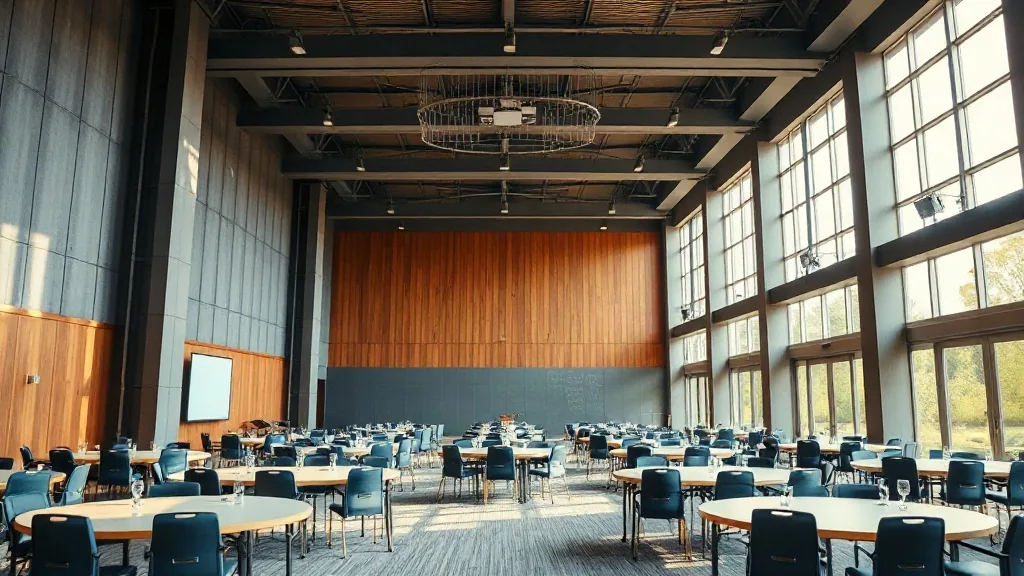
Two lines for 800 people is a 90-minute lunch whether you planned for it or not. Six double-sided lines is a 40-minute lunch. Same food, same caterer, entirely different day. When a venue’s banquet manager quotes me “two buffets” for a group this size, that’s the moment I know they haven’t done 800 before, and I spec the lines myself.
Kill the carving station, or isolate it
A carving station or any made-to-order element is a throughput bomb inside a buffet line. One chef plating to order caps that whole line at maybe 60 people an hour no matter how many chafing dishes sit behind him. So I do one of two things. Either the protein is pre-sliced and self-serve down the line, or the carving station lives as a separate side station that people visit if they want, off the main flow. The main line has to move without waiting on a knife.
Same logic for anything people customize. Build-your-own taco bars, omelet stations, pasta-to-order, they’re fine for 150 people and a disaster for 800 in a 45-minute window. For big convention lunches I go plated or I go fully self-serve buffet, and I keep the custom stuff for the smaller VIP dinner where the count supports it.
Where plated beats buffet at this size
Counterintuitively, a plated lunch can be faster than a bad buffet for 800, because a trained banquet team can drop 800 pre-plated meals in about 20 minutes if the room is staffed at one server per 20 to 25 guests. No lines at all. The catch is the room and the kitchen have to support it: enough back-of-house staging, a hot-box operation, and the floor space for the service aisles.
The tradeoff is cost and flexibility. Plated runs higher per head and locks the menu, buffet flexes for dietary needs and reads more generous to owners who want seconds. My rule: if the venue has the kitchen and the staff ratio, plated is the safer throughput bet for a tight turn. If not, I build a proper multi-line buffet and I never accept two lines. Knowing the real cost gap between service styles per head is what lets me make that call with the client’s budget in front of me.
The room and the seat count
Eight hundred people at rounds of 10 is 80 tables, and that needs real square footage, roughly 8,000 to 9,000 net square feet for seating alone at about 100 to 112 square feet per round with aisles, plus buffet runouts, plus staging. The “eight rounds of ten” shorthand people use for banquet capacity falls apart fast at this scale, because the buffet footprint and the service aisles eat floor you didn’t budget.
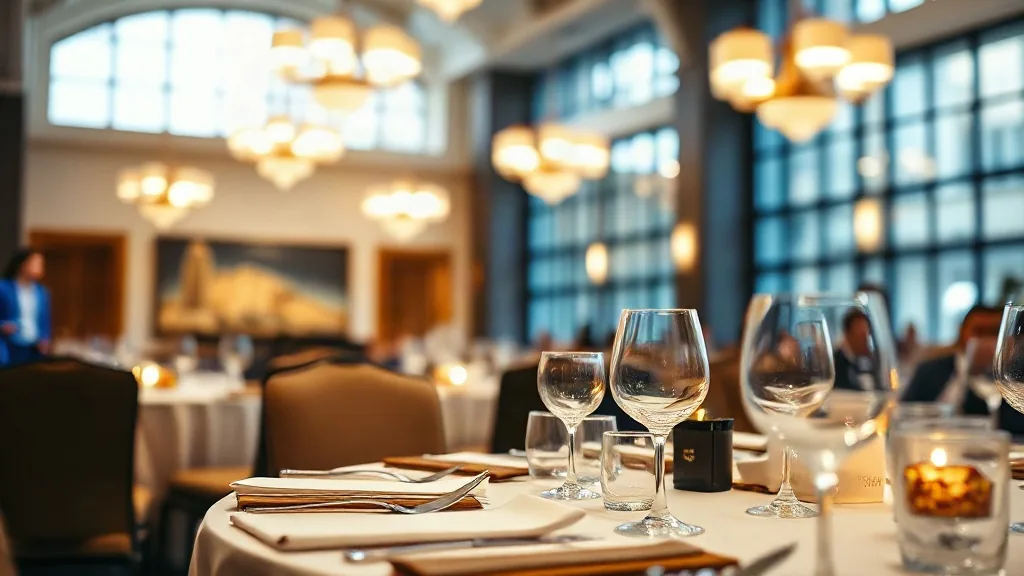
This is why I put 800-owner conventions in a convention center exhibit hall or a purpose-built ballroom, not a hotel that seats “up to 800” on its capacity sheet. That “up to 800” is almost always theater or a tight banquet with no room for six buffet lines. When I do use a hotel, I want a hotel or resort with a genuine 15,000-plus-square-foot ballroom and a kitchen sized for the count. For a mid-size franchise group under 400, a large banquet hall with an experienced high-volume kitchen can be the better value and still turn lunch cleanly.
Staggering the release is the free fix
The cheapest throughput improvement costs nothing: don’t release all 800 at once. If the general session breaks into color-coded breakout tracks, I stagger the dismissal by track, three minutes apart, so the buffet fills in waves instead of a wall. Even 10 minutes of staggering across the release cuts the peak line by a third. I coordinate this with the emcee so the dismissal is baked into the run of show, not improvised from the stage.
Beverage is its own line and I never make people wait in the food line for coffee. Separate coffee and water stations along the walls, away from the buffet, so the drink trip doesn’t clog the meal trip. Iced tea and water on the tables pre-set removes another few hundred trips to a station.
The budget reality
For 800 people, a plated lunch might run $52 to $68 a head plus a 24 percent service charge and tax, so call it $70 to $90 all-in per person, $56,000 to $72,000 for the meal. Buffet lands similar or a touch lower but demands the line labor to move it. The number that actually varies is labor: six double-sided lines and a one-to-20 plated ratio both cost staff, and skimping on staff is exactly how you get the 90-minute lunch. I’d rather spend $3,000 more on service labor than save it and hand 800 owners a bad story.
Give me the owner count, whether your general session breaks into staggered tracks, and whether the venue kitchen can plate at a one-to-25 ratio. Those three answers tell me plated versus how many buffet lines, how big the room really needs to be, and whether your current venue can feed the room in 45 minutes or 90.


