Rooftop venues and the wind speed that cancels your setup
Rooftop venues rarely disclose the wind speeds that can cancel your event before you sign.
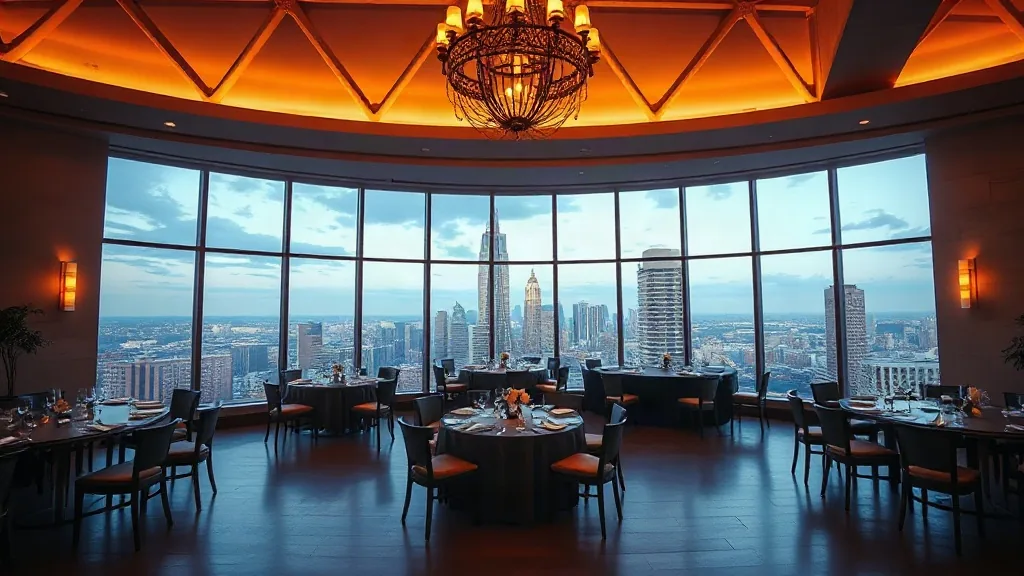
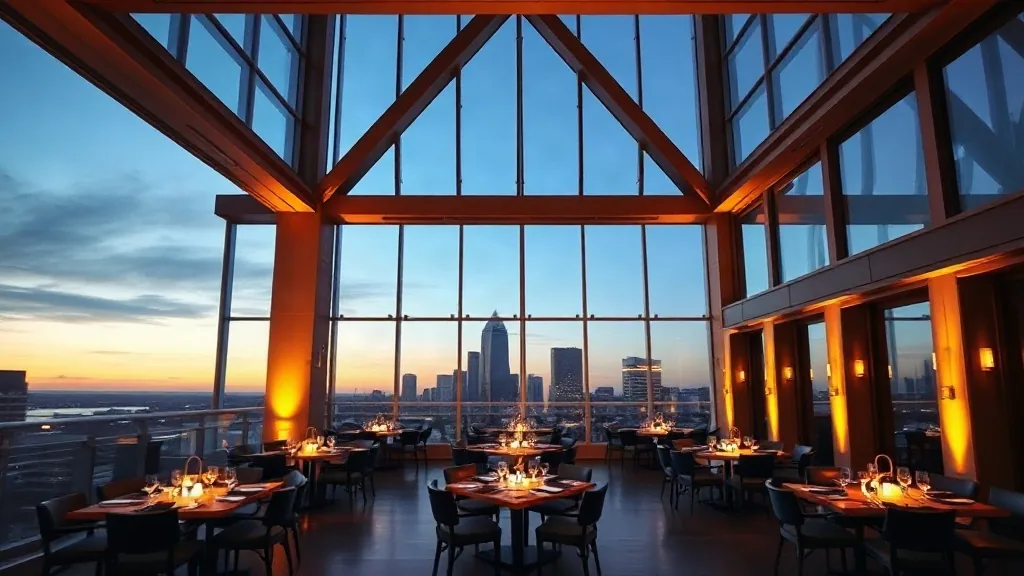
The last rooftop setup I lost wasn’t to rain. It was to a 27-mile-per-hour gust at 4:15 PM on a Tuesday in May, two hours before a 90-person policy forum was set to start. The client had paid a $4,200 site fee plus a $1,900 non-refundable AV deposit for a venue that advertised “panoramic skyline views” without once mentioning the anemometer on the roof next door. We got the tables inside, but the event became a cramped cocktail hour in a lobby built for 40. I’ve booked enough rooftop venues in DC to know that wind, not weather, is the silent clause in every contract you sign. It’s also the reason I now ask a specific question before I even look at the photos.
Rooftop venues sell you the sky, but they deliver geometry. This piece is the operational guide I wish someone had handed me before my third rooftop booking. It covers what wind speed actually does to your AV, how to read a venue’s disclosure habits, and which contract language will save you.
What Wind Speed Does to Microphones, Easels and Dinner Plates
Most experienced planners I know treat 15 miles per hour as a soft ceiling and 20 miles per hour as the hard floor for cancellation. At 15 mph, a standard 10x10 pop-up canopy with no sidewalls starts to rock visibly, and your handheld microphone picks up a rumble that no windscreen can fully remove. At 18 to 20 mph, that same canopy becomes a sail, and your background music is competing with a noise floor that makes panel discussions nearly useless for the back third of the room.
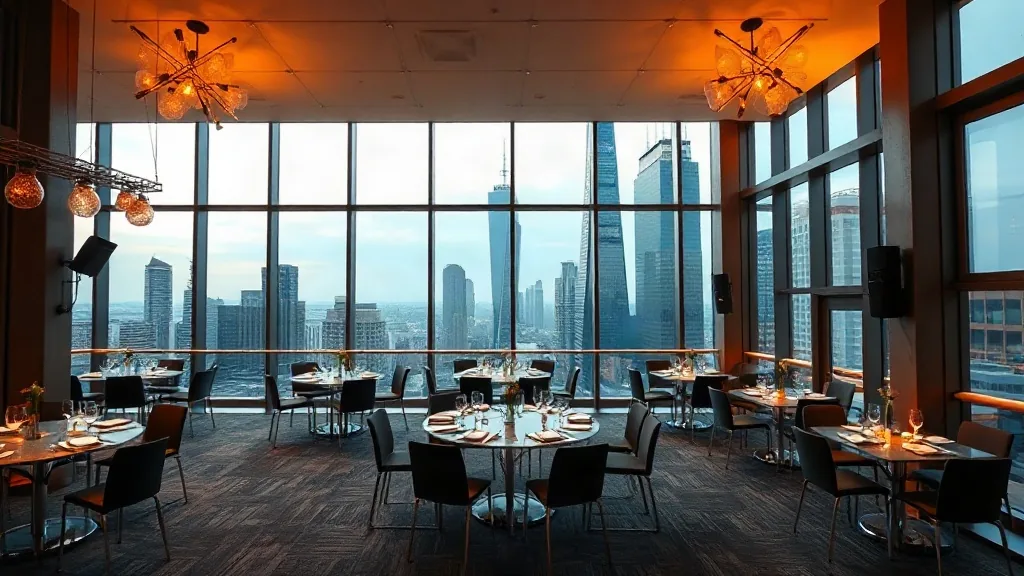
The real culprit is often not the sustained wind but the gusts. A venue can show you a 12 mph average for the afternoon, and that feels fine until a 30 mph gust hits at 3:45 PM and flips a standing easel with your agenda poster into a server’s tray. I had a client in Navy Yard lose an entire printed signage package that way, about $800 of materials, gone in a single puff. Heavy bases help, and many venues will offer them for $50 to $150 per item, but they only resist till a certain point.
Think about the sound system first. Directional speakers and podium microphones are your friends because they project audio forward. But wind does not respect directionality. That’s why a wired lapel mic, one that stays tightly clipped to the speaker’s shirt, will almost always outperform a handheld on a rooftop. The lapel sits closer to the chest and is more shielded from direct airflow.
Your catering timeline is no safer. A buffet table on a breezy roof means chafing dish lids that rattle, flies you can’t control, and plates light enough to launch. I now ask every rooftop venue for their policy on switching to a plated service if winds kick up mid-event. Most will say yes, but you need the switch to be in writing and at no extra charge beyond the premium you’re already paying.
How to Read a Venue Before You Sign the Rooftop Amenities Sheet
Start by asking what the actual capacity you’ll receive is, not what the marketing says. I’ve seen listings for a rooftop venue in Dupont Circle claim a 220-person terrace capacity, but when we counted, we found deck furniture that could seat 74. For a seated dinner or a panel with chairs in rows, you need at least 12 to 15 square feet per attendee. That 220-person capacity drops to about 140 if everyone needs a chair, and to under 100 for a seated plated dinner.
Second, ask about the wind measurement. Any rooftop venue worth booking has a permanent anemometer or knows the local weather station reading that matters for their address. Ask what measurement triggers their own rain or wind policy, and ask them what happens at that threshold. Some hotels will move your event to an interior ballroom at no charge if winds exceed a certain number, but they won’t put that in the initial proposal. You have to request the “relocation contingency” language in writing.
The sun exposure and the temperature are as potent as the wind. A canopy roof blocks only some of the glare. If your program runs past 5 PM, check whether the summer sun is directly in the eyes of your moderator. Ask whether the venue’s dimmable lights come with the space rental, most do, but you want to confirm this early because an unlit rooftop at 9 PM is a liability for everyone.
Using a Weather Forecast Backup Window the Way You’d Use a Load-In Slot
The practical solution I’ve leaned on for years is the weather window countdown. Instead of checking the forecast the morning of the event and hoping, we set a meeting with the client and the venue operations manager at a fixed date, usually 48 hours before. At that meeting, we check the single highest wind gust report together on a shared screen. If the gust projection is under 25 mph, we proceed. If it is over, we trigger the move to the interior venue.
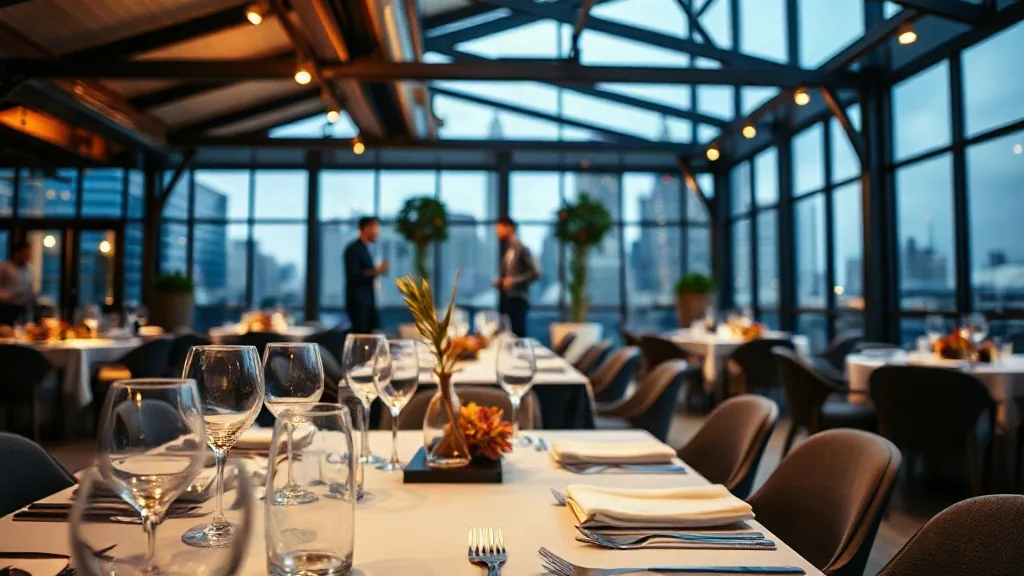
Set a second checkpoint at 12 hours out, early on the morning of. Load-in for a rooftop usually requires a service elevator or a freight lift, and that elevator is booked in one-hour blocks. Losing your setup time to wind is as damaging as losing the actual event hours. If winds are too high for the crew at 10 AM, they are almost certainly too high at 3 PM, so making your call at the 12-hour mark gives you the chance to re-secure the load-in slot that you physically need.
Make sure your contract distinguishes between an “act of God” clause and a “health and safety” cancellation. A typical force majeure covers hurricanes and tornadoes, but it often excludes plain gusty wind, which is exactly your problem. In the practice most planners use, you ask for a defined “high wind event” that guarantees a partial or full refund of space rental and forces the waiver of any penalty, but this is contract language that corporate lawyers have to draft. Never sign a blanket force majeure and expect it to save you from a 23 mph gust. Check with your compliance or legal team before finalizing that wording.
Settling for a Solid Alternate in Your Same Zip Code
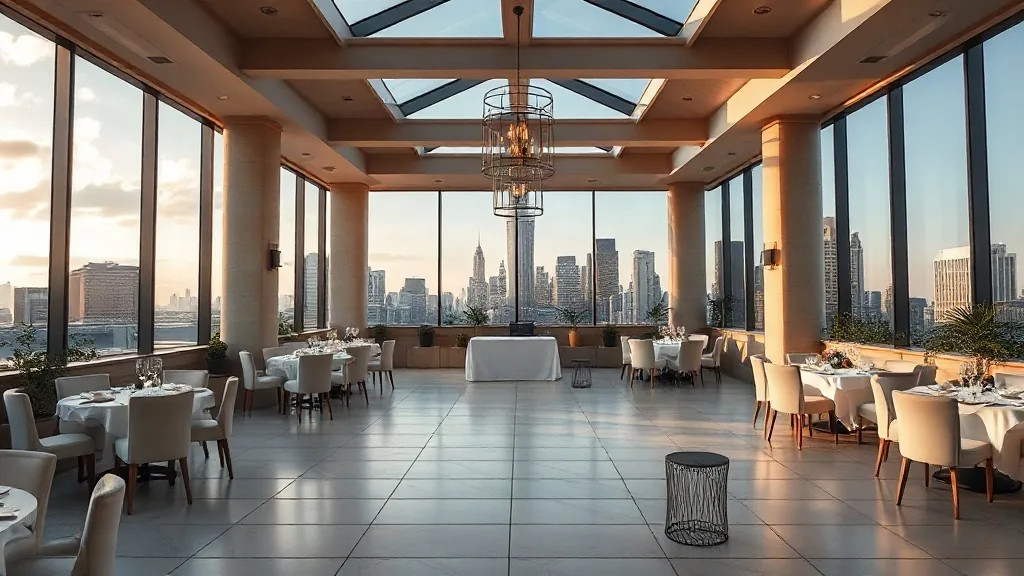
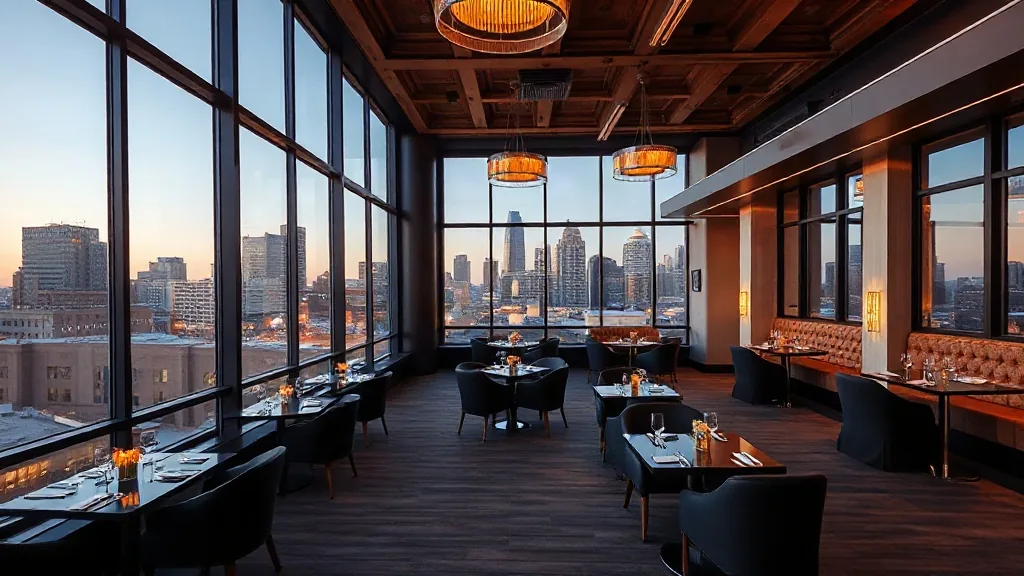
A rooftop in Washington, DC sounds fantastic for the policy group I work with, the view of the monuments sells itself. But many groups discover that they can get what they actually need in a well-designed interior space with a balcony, at half the cost. A tall Palladian window wall on the top floor of a conference hotel gives you the same natural light and a fraction of the risk.
Before you write off the entire category, look at my list of DC rooftop venues and weight their wind policies from page one. For sites in spots like Iowa or Kentucky with fewer towering neighbors, the wind speed tends to be lower, but that also brings different bug control realities. Cities with coastal breezes, my colleague planning in the North Pole talks about the cold, and you have to factor different gear needs than you will see for a San Diego rooftop where the marine layer rolls in at dusk.
My personal rule is this: I take no decision about hiring balloon installers or relying on cloth signage until we’re within a two-hour window. Everything else, I design around a possibility wall of wind. We build our rundown expecting a 14 mph breeze, and if we get dead calm, we end early because people are comfortable and hydrated, which concludes the party faster than normal. Verify what your legal and compliance teams say about weather cancellation language on your specific booking.
Now that you know my wind ceiling still exceeds the typical sales deck claims, I need a bit more from you to aim a sensible discussion. What headcount are you carrying, what did the venue quote you on its highest wind speed, and when is your earliest planned load-in? Send along your date and the city, and we’ll work out the fallback before you pay the first deposit.