Networking formats that work better than a cocktail hour
Roundtables beat open bars for real connections at lower cost and higher attendance.
I ran numbers on a 200-person tech client last spring, and the cocktail hour cost them about $18,000 in open bar and passed apps, and their own post-event survey said attendance at the networking mixers was under 40 percent. I have been on the vendor side for years, and I will tell you that the open bar is the worst contract line item for actual relationship building. Here is what I book instead, with the real pricing and the catch on each format.
Structured roundtables with a moderator buy a better conversation
The room they pitched me was a wide-open lounge, so we turned it into six tables of eight. Each table had a facilitator, a printed topic, and a hard 20 minute timer. Attendees rotated twice, so everyone met 24 people instead of clinging to the first safe conversation.
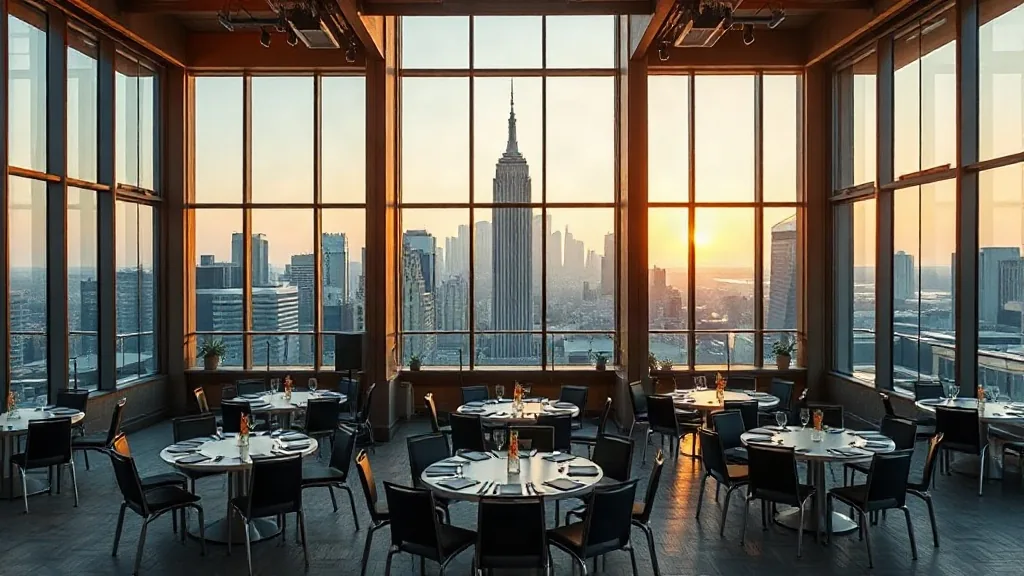
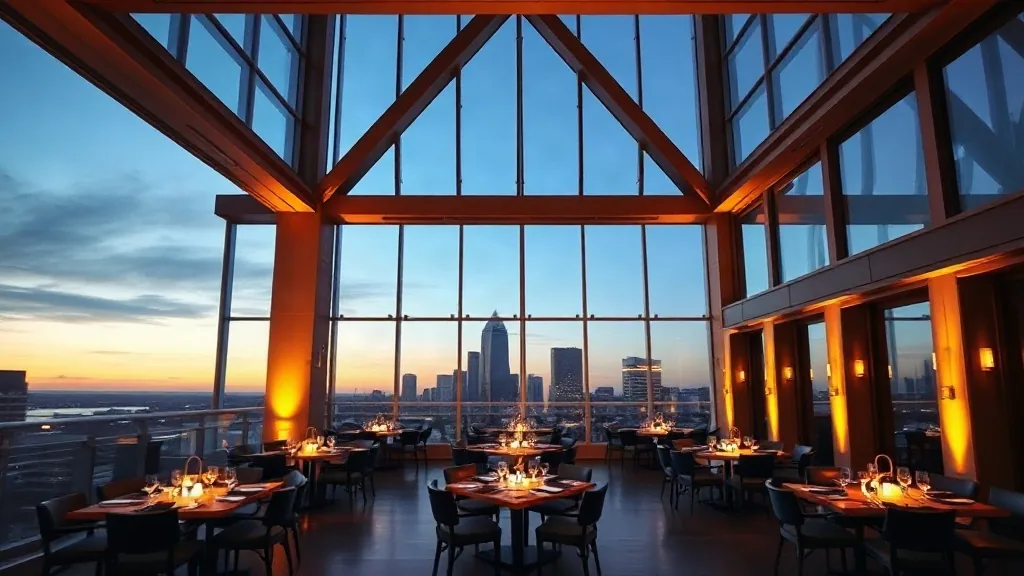
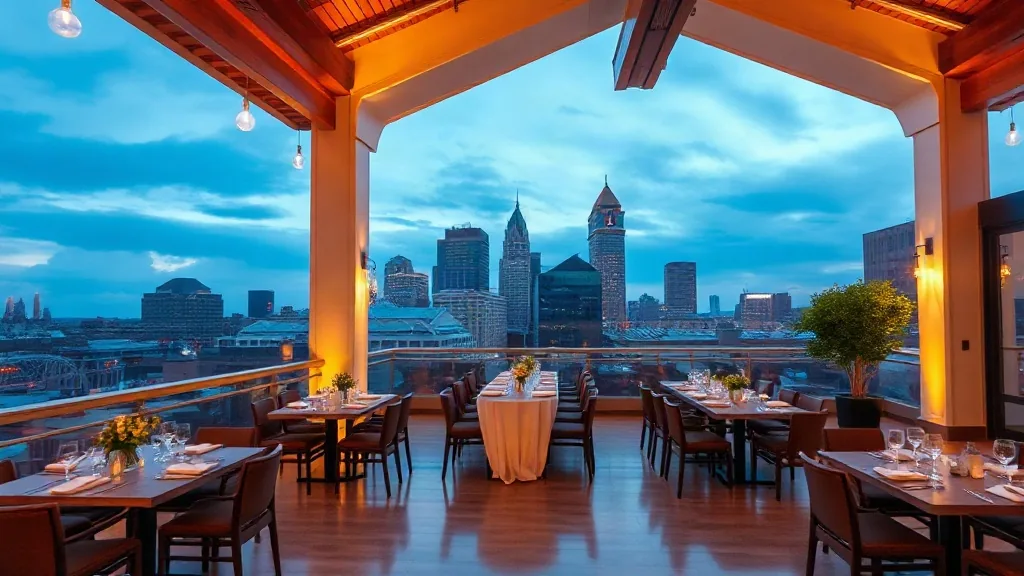
A private dining room for 50 at one of my go-to Atlanta spots runs $3,500 for the room on a weeknight, and the food and beverage minimum lands around $6,000. You need a moderator per table who knows the client’s business, not a generic host, so budget $150 to $250 per facilitator for the two hour block. I will concede that structured tables only work if your group fits the format. A 300-person conference with a broad agenda will fight the specific topics, so I save these for single-company meetings and for events where everyone shares a functional role.
The contract detail to watch is the hold time. I negotiate tables to start at 6:30 and end at 8:30, with the room held until 9:00 for the people who will not stop talking. Get the three hour hold in writing, or you eat $500 an hour in late-stay fees.
Roundtable planning notes
The print materials matter more than the menu. I order oversized place cards with the table topic in 24 point type, so a guest can read the conversation from across the room and choose their seat with intent. And I cap each table at eight people, because anything over that splits into two separate conversations that the moderator cannot pull back together.
For a lighter version, I book a guided tasting instead of open bar. A spirits brand partner runs a 45 minute tasting flight, which forces small groups to talk about the product and gives introverts a structured reason to speak. The cost lands around $35 to $60 a head for the product and the educator, which beats the $90 a head you will pay for an open bar with decent liquor.
Fireside Q&A with hard time limits beats an unstructured mixer
The second format that outperforms the cocktail hour is a seated conversation with a designated interviewer and a 25 minute cap. I watched a general counsel for a public company take questions from a group of 60 at an audit committee meeting venue, and the room went quiet in a way I have not seen at any mixer. Do not trust a speaker to self-moderate. They will not, and the room loses focus in minute 12.
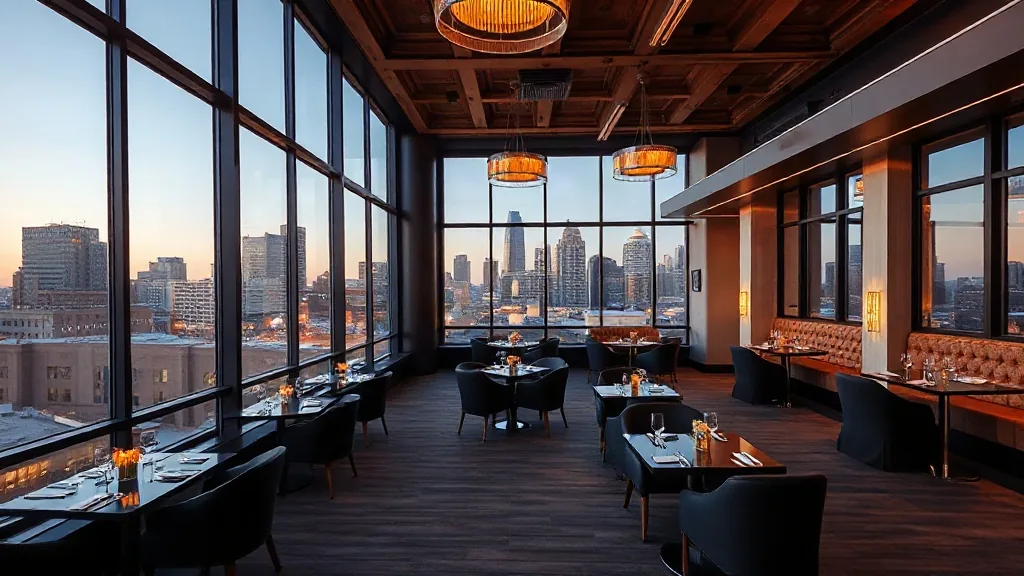
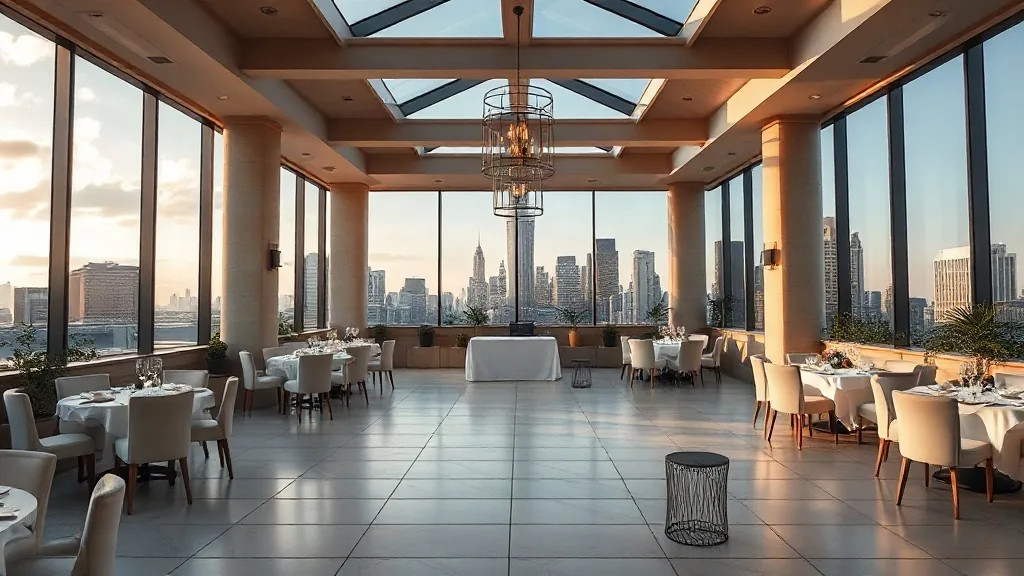
Pricing is the real story. A hotel ballroom for 60 runs $2,500 to $4,000 for the space, but I cut that by booking a meeting room in a conference center instead, which often prices at half the hotel rate for the same square footage and includes A/V in the wall. For Miami clients headed to larger conferences, the conference center option has saved them enough on the room to add a second interviewer for a moderator fee of $300.
The schedule matters more than the room. I run the Q&A at 5:30, before any drinks are poured, and the attendance holds above 80 percent. After the 25 minute cap, I open the floor for 15 minutes, and then we transition to small tables for dinner, which keeps the high energy from the Q&A feeding the meal conversation.
Fireside planning notes
Minimum room size is roughly 12 square feet per person in chairs, so 60 guests need 720 square feet plus the staging area. A quiet space with good air conditioning matters more than a premium address, especially in cities where the ventilation is heavy. For groups with confidentiality concerns, any room that holds 50 to 75 people will work if the walls and the hiring contract support a closed session.
Walking tours and working sessions move conversation past small talk
The economics work if you book the spaces right. A patio buyout at a brewery runs $1,500 to $3,000 for a Saturday or a light weekday hour, and the per-head drinks still land cheap compared to a hosted hotel bar. Drive time between stops needs to be under 15 minutes, or you lose the group to logistics.
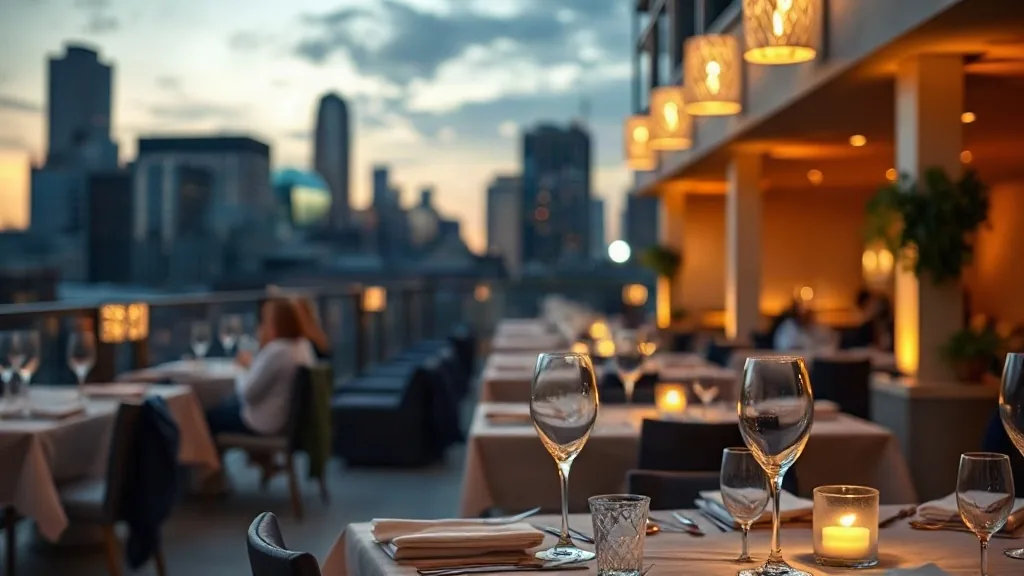
The operational constraint is headcount. This works well for 20 to 80 people. Over 80, the group stretches too far and you lose the intimacy that makes the format work. For larger programs, I split the crowd into three waves at staggered start times, which keeps each wave under 80 and preserves the pace.
A structured working session has the same effect. A 75 minute collaborative block with whiteboards and a facilitator cuts through the small talk because the shared task becomes the conversation starter. The venue cost for a dedicated boardroom in a campus setting, including furniture and A/V, runs between $800 and $1,500 for the session.
Walking tour planning notes
Budget for one staff person per 15 attendees on the route. A single escort for 60 people cannot keep the group moving on schedule, and the slow tail causes the next venue to hold service past the booked window. That hold time is where the turnover fee appears if you do not watch the clock.
Speed networking with a forced rotation ends the cliques fast
The last format I rely on is speed networking, and it works precisely because it does not feel sophisticated. You set up two long rows of chairs, give each pair three minutes, and ring a bell to rotate the line. The structure removes the social anxiety of approaching a stranger; every participant knows they will meet every other participant, so the pressure shifts to making each short conversation count.
The venue requirement is minimal, which is the point. A parallel row of 20 chairs needs about 400 square feet, and you can run it in any dry room between sessions. The time cost is the constraint: a 60 person group takes about an hour of rotating time plus 15 minutes of setup and instructions.
I add one card with three prompts. The prompts keep the conversation on business topics and prevent the weather talk from eating the three minutes. Prompt cards cost $40 to print at any local print shop, and they make the difference between polite browsing and actual exchange. For a pharmaceutical client, I stopped the personal contact exchange and used a coded list instead, because the compliance team wanted to track which conversations happened anyway.
Speed networking planning notes
The timer is non-negotiable. Without a loud bell or a visible countdown, pairs drift to eight minutes and the rotation falls apart. I bring my own bell, because the house microphone system works against the shape of the room. Start with the shorter introverts in the moving line, not the loud talkers, or the first round of matches sets a pace the others cannot follow.
If the headcount lands below 16, this format gets thin, and you are better off with the roundtables. But up to 100 people, the speed rotation delivers more introductions per minute than any cocktail hour in existence. I booked a 40 person client event at a Sandpoint venue starting at 20 chairs per row, and we cut the cliques within the first two rotations because nobody had the chance to hide in a familiar corner. For the connection that the structured format cannot generate, schedule 10 minutes of open time at the end so the pairs who found a real spark can exchange detail without the bell cutting them off.
What headcount are you planning for, and what is the primary goal of the networking time? Send me the brief and I will tell you whether the roundtables or the speed rotation serves that group better.