
Running a corporate hackathon: power, wifi, and 48-hour catering
A hackathon dies on two things a normal event ignores: amps and uplink. Two hundred laptops on one circuit trips the breaker, and shared wifi buckles when everyone pushes code at once. Here is how I spec power, bandwidth, and round-the-clock food.
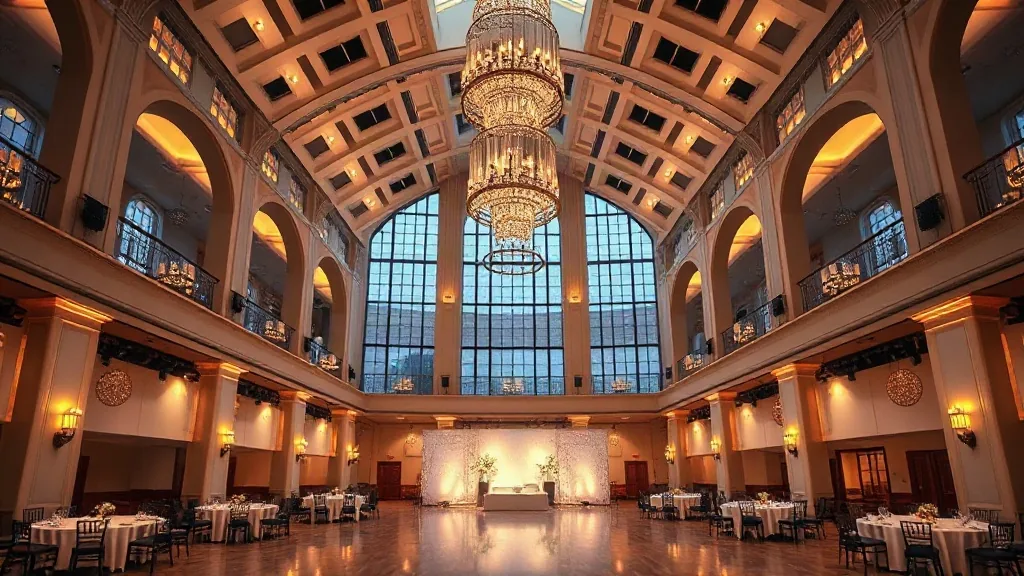
The moment a hackathon taught me to spec power was at hour six, when half the room went dark. Two hundred developers, each running a laptop plus a monitor plus a phone charger, all plugged into a loft that was wired like an office, and a whole zone of the floor tripped its breaker mid-demo-prep. We lost 20 minutes and three teams lost unsaved work. The venue’s “plenty of outlets” turned out to mean plenty of outlets on not-enough circuits. That’s the hackathon lesson nobody warns you about: the two things that kill the event are the two things a gala never has to think about, amps and uplink.
I produce hackathons for engineering orgs and developer-relations teams. They look easy from the outside, put developers in a room with pizza and let them build. They’re actually the most infrastructure-dependent event I do. A wedding needs a pretty room. A hackathon needs electrical capacity, real bandwidth, and food at 2am, and if any of the three fails, the event is the failure the whole company remembers.
Power is a load calculation, not an outlet count
Here’s the math I run. A developer’s setup, laptop charging plus an external monitor plus phone, pulls roughly 150 to 250 watts. Two hundred participants is 30,000 to 50,000 watts of continuous draw, call it 40kW. A standard 20-amp, 120-volt circuit safely carries about 1,900 watts continuous, so 40kW needs on the order of 20-plus dedicated circuits just for laptops, before you count AV, lighting, and catering equipment.
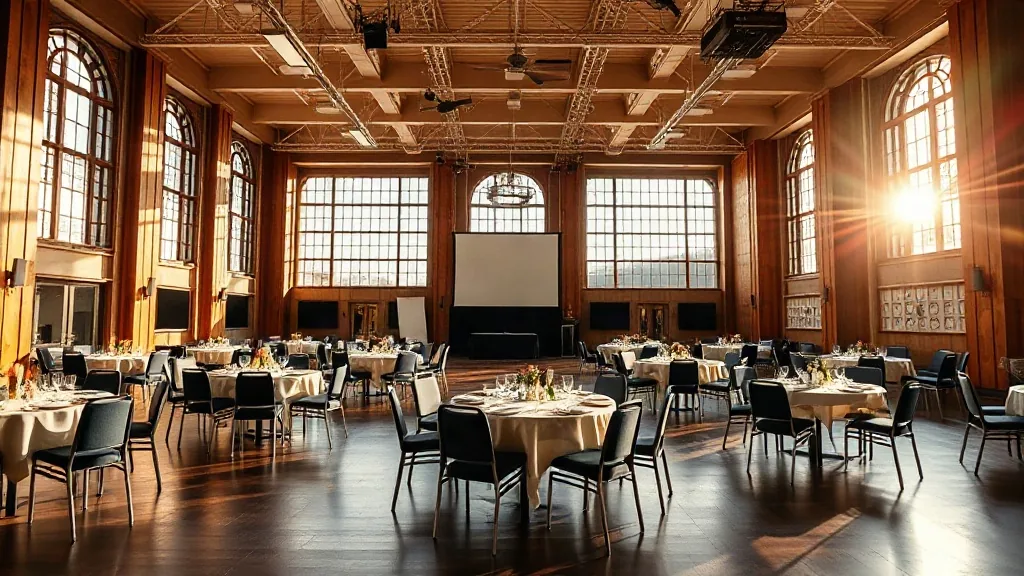
So I don’t ask “are there enough outlets.” I ask the venue for its panel capacity and how many dedicated 20-amp circuits I can distribute across the floor. Then I bring power distribution: floor-taped drops, PowerCon runs, and enough surge-protected strips that no single strip is the choke point. I plan one outlet per participant minimum, spread across many circuits, not many outlets on few circuits. For a room without the panel capacity, I spec a generator or I pick a different venue, because you can’t run 200 laptops off a circuit meant for a copier.
Cord management is a safety line item, not an afterthought. Taped runs, ramps over walkways, and no daisy-chained strips. A hackathon floor with cable everywhere is a trip-and-fire risk at 3am when people are tired, and the venue’s insurance will care.
Bandwidth is the other utility, and “free wifi” is a trap
Every venue advertises complimentary wifi, and for a hackathon that free wifi is usually a scam, because it’s a shared guest network sized for people checking email, not 200 engineers pulling Docker images and pushing to repos simultaneously. The moment everyone runs a build, a shared 100Mbps guest line collapses and the room grinds.
I spec a dedicated circuit for a hackathon: a business-grade uplink, ideally 500Mbps to 1Gbps symmetrical, separate from the venue’s guest network. Symmetrical matters because developers push as much as they pull, and consumer connections starve the upload. I want hardwired drops available for the demo stations and the judging setup, because you never run a live demo on wifi if a cable is an option. And I put my own managed access points on the floor when the venue’s coverage is thin, one AP per 40 to 50 users, because coverage and capacity are different problems and a hackathon needs both.
The failure mode I plan against is the internet dropping mid-event, which turns a room of 200 engineers into 200 people who can’t do the one thing they came for. I ask for the venue’s redundancy: is there a backup circuit or an LTE failover. If there isn’t, I bring a cellular failover router as insurance, because a 48-hour build with no connectivity contingency is a bet I won’t make.
The venue types that already have the bones
Because power and bandwidth are the whole game, I start with venues built for people who work on computers. A coworking space that does events is often the cleanest fit, because it’s already wired for dense laptop use, it has business-grade internet, and the outlet-per-seat density is designed in. A loft or industrial space gives me the open floor and the character developers like, but I have to verify the electrical panel and bring internet, because a raw loft is charming and under-circuited. A university rental, a computer-science building or a student union, sometimes has the best infrastructure of all, campus networks are built for exactly this load, though you’ll fight the academic calendar for dates.
48-hour catering is a schedule, not a meal
A real hackathon runs overnight, and catering a 48-hour event is a rolling operation, not a lunch order. People eat when they hit a wall, not on your schedule, so I keep food and caffeine available continuously and I plan named meal pushes on top of it.
My rough plan for a 48-hour, 200-person event: full meals at the six normal windows, breakfast, lunch, dinner across two days, plus continuous snacks and a hard caffeine supply that never runs out. The overnight is the tricky part. A 2am food push, hot and real, not just leftover pizza, keeps the overnight teams going and signals the company actually planned for them. I budget snacks and beverages heavily, because the between-meals grazing at a hackathon can rival the meals. Figure $85 to $130 per person all-in across the 48 hours once you count six meals, continuous snacks, and enough coffee and energy drinks for people who aren’t sleeping.
Dietary coverage matters more here than at a banquet, because you can’t send a hungry vegan developer out to find food at 3am when nothing’s open. Vegetarian, vegan, and gluten-free options at every push, labeled, always available. And I keep the food area away from the power drops and the laptops, because a spilled energy drink on a taped circuit run is exactly the 3am incident I’m trying to prevent.
What I confirm before I sign
Panel capacity and the number of dedicated 20-amp circuits, in writing. A dedicated business uplink, symmetrical, with a failover plan. Outlet density of one per participant across many circuits. 24-hour building access, because a venue that locks at 11pm can’t host an overnight build. And a catering partner who’ll run a 2am push. Miss the power or the bandwidth spec and it doesn’t matter how good the food is.
Give me the participant count, whether it’s genuinely overnight or a long single day, and if you’re bringing your own internet or relying on the venue’s. That tells me the circuit count I need, the uplink to spec, and how many meal pushes to build, which is the difference between a build weekend that ships and a room full of engineers staring at a dead breaker.


