
Sales bootcamp venues built for role-play, not lectures
A sales bootcamp isn't a keynote, it's reps practicing on their feet, so a lecture hall is the wrong room. You need breakout space for role-play, recording, and fast reset. Here is the venue spec that turns training into reps.
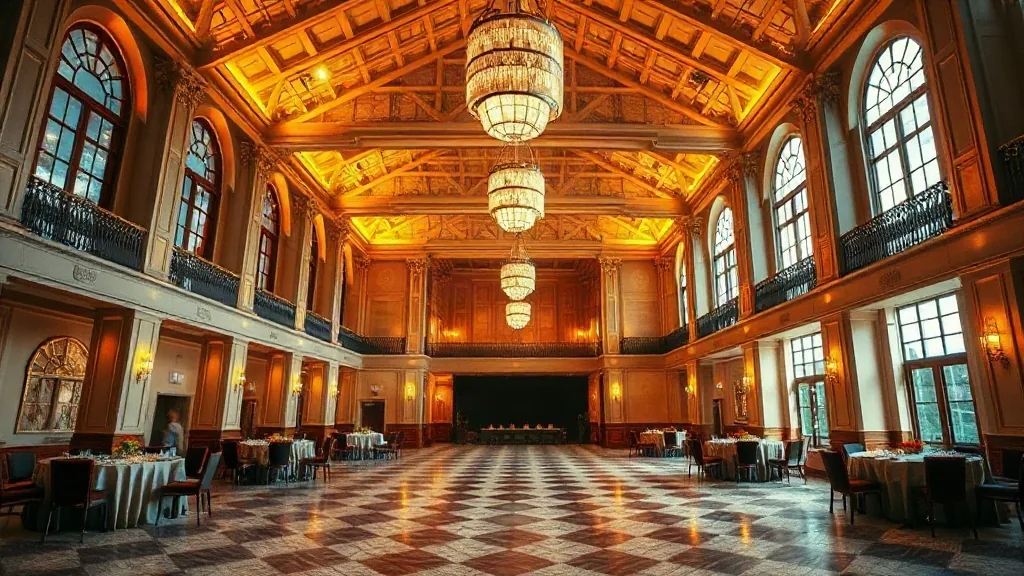
I watched a $90,000 sales bootcamp get delivered in a single hotel ballroom with 120 reps in theater rows, and by day two I could see the design flaw from the back of the room. The trainer wanted people practicing discovery calls in pairs. Instead, 60 pairs tried to role-play three feet apart in one echoing box, shouting over each other, unable to hear their own partner, let alone get coached. The content was good. The room made it impossible to do the one thing a bootcamp exists for: reps practicing on their feet and getting corrected. A lecture room can’t hold a lab.
I produce sales enablement events, and the mistake I see most is booking a bootcamp like a conference. A conference is broadcast, one person talks, everyone listens. A bootcamp is a workshop, reps do the work and a coach watches. Those need opposite rooms, and if you spec the broadcast room for the workshop event, you paid for a keynote when you needed a dojo.
Role-play needs walls, not one big room
The core activity of a bootcamp, two or three reps running a scripted scenario while a coach observes and stops them, needs acoustic separation. You cannot run 30 simultaneous role-plays in one open ballroom, because every pair drowns out its neighbor and no coach can hear a single conversation cleanly. The design that works is a lot of small rooms, or one divisible space chopped into many.
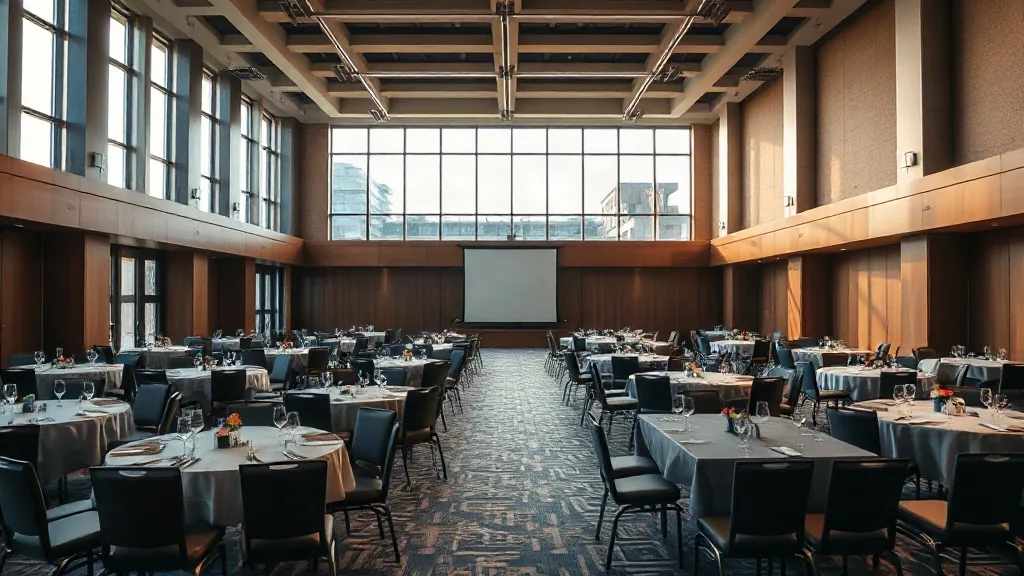
So the number I care about isn’t total seats, it’s breakout count. Understanding the split between your general session and your breakouts is the call that sizes the whole venue. For 120 reps working in trios with a coach each, I want 8 to 12 separate breakout spaces plus a general-session room for the morning kickoff and the afternoon debrief. That’s a very different building than “a ballroom for 120.”
This is why I lean toward a conference center built for training. It owns the breakout inventory, the rooms have doors and carpet and whiteboards, and the whole floor is designed for a group that splits apart and comes back together all day. A university rental, a business-school building with a dozen classrooms and a lecture hall, is often the best-value option for exactly this, because a campus is architecturally a training facility, and classrooms already have the writing surfaces and sightlines role-play coaching needs.
Recording turns practice into coaching
The thing that makes a bootcamp stick isn’t the role-play, it’s the review. A rep who watches their own discovery call back learns more in ten minutes than in an hour of being told. So I build recording into the breakout rooms: a simple camera or even tablets on stands, so each role-play is captured and the coach can scrub to the moment the rep talked over the buyer.
This is light AV, not a broadcast rig. I don’t need a production switcher in a breakout, I need a stable capture and a screen to play it back. Per room, that’s a camera, a stand, a monitor, and clean audio, maybe $300 to $500 in gear and setup each. Across 10 rooms it’s real money, so I tell clients this up front, because a bootcamp that records nothing wastes its best teaching tool. The general-session room gets the bigger AV for the plenary content and the final presentations.
Furniture that resets fast
A bootcamp changes shape every 90 minutes: plenary, then breakouts, then back to plenary for share-outs, then breakouts again. The furniture has to move fast or the transitions eat the day. I want light stackable chairs and tables on casters, not a fixed-seat auditorium, because a room I can reset in five minutes keeps the schedule and a room that takes 25 minutes to flip loses an hour a day.
For the general session I set chevron or crescent rounds, not straight theater, because even the plenary parts of a bootcamp involve turning to a neighbor and doing a two-minute drill. Crescent rounds, tables with chairs only on the far side facing the stage, give reps a writing surface and a partner and still face front. It’s the single most useful setup for training-heavy programming, and most hotels won’t offer it unless you ask by name.
Where hotels still make sense
When the bootcamp is multi-day and reps travel in, a hotel or resort with a strong meeting floor is the practical pick, because lodging, meals, and training rooms sit under one roof and nobody loses time in transit. The thing I verify is that the hotel has genuine separate breakout rooms near the main room, not just one big ballroom it wants to air-wall into thirds. Air walls leak sound. For quiet role-play I want real walls and doors, and I’ll pick a hotel with 10 small meeting rooms over one with a giant divisible ballroom every time.
The schedule is intervals, not blocks
A bootcamp that runs 8am to 5pm can’t be one long block, because skill practice fatigues people faster than listening does. I build it in tight intervals: a short teach, a role-play rep, a coached correction, another rep, a debrief, repeat. That rhythm needs the room to support constant regrouping, which loops back to the breakout count and the fast-reset furniture. A venue that can’t flip quickly forces long blocks, and long blocks are how a bootcamp becomes a lecture by accident.
Food supports the format too. I do a working lunch that people can eat in 30 minutes so the afternoon reps start on time, not a leisurely seated meal that bleeds into the schedule. Buffet or boxed at $30 to $38, coffee and water refreshed constantly because a training day burns people out and caffeine keeps the afternoon reps sharp.
What I confirm before booking
Breakout room count, with real walls and doors, matched to your trio count. Capture-grade AV in the breakouts, not just the plenary. Furniture that resets in minutes, and crescent-round capability for the general session. A general-session room for kickoff and final presentations. Get the breakout count right and the bootcamp runs as designed. Book one big ballroom and you’ll spend two days watching reps shout past each other.
Tell me the rep count, whether they practice in pairs or trios, and whether you want every role-play recorded for playback. That tells me how many breakout rooms you actually need, the AV per room, and whether a conference center, a campus, or a hotel is the right home for turning your training days into reps.


