
Shuttle and charter logistics for a multi-hotel conference
When 900 attendees sleep across four hotels and convene at one center, the shuttle plan is the difference between a full room at 9am and a trickle. Here is how I build the loop, size the fleet, and keep the 8:45 crush from breaking the schedule.
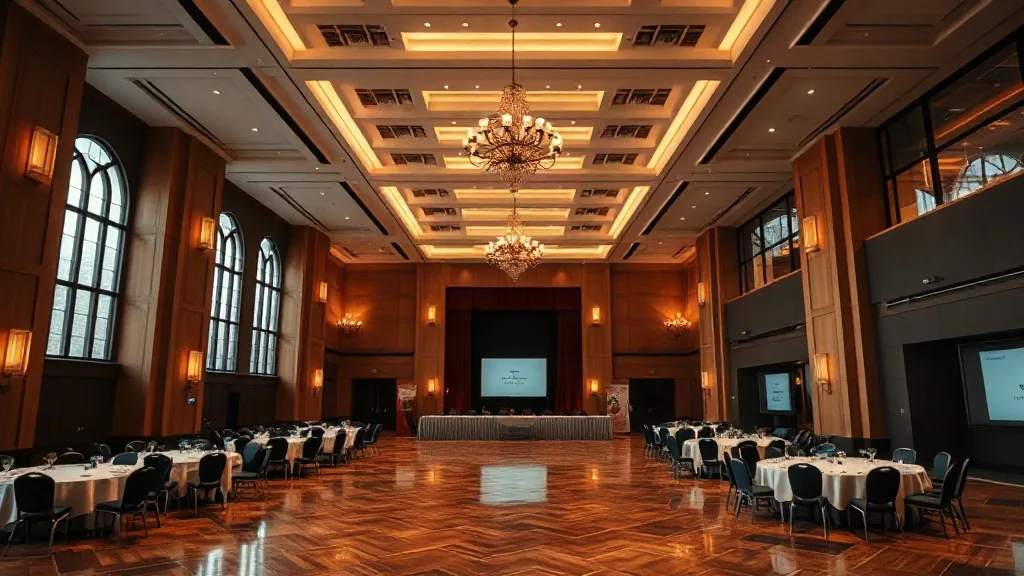
The general session opened at 9am and at 9:05 the room was two-thirds full. The other third was standing on a curb outside their hotel because I’d sized the morning shuttle loop for an even arrival and 400 people all wanted the 8:40 bus. That was a policy convening in DC with 900 attendees split across four hotels, and the empty seats in the opening plenary were on me. The shuttle plan looked fine on paper. It failed at the one moment that mattered, which is the morning peak.
A multi-hotel conference runs on its ground transportation the way it runs on its WiFi. Nobody notices it when it works. Everybody notices the 20-minute wait in the cold, and they tell the survey about it. If your attendees sleep in four buildings and convene in one, the shuttle loop is core program infrastructure, not a line item you hand off and forget.
Start with the geography, not the fleet
Before I price a single coach, I map the problem. Four hotels, one host convention center, the drive time between each hotel and the center at 8:30am on a weekday. Not the midday drive time. The rush-hour one, which in a downtown core can be double. A hotel that’s 8 minutes off-peak can be 18 minutes into morning traffic, and that difference decides how many buses you need on the loop.

I also map walking distance. If one of the four hotels is a 6-minute walk to the center, I don’t put it on the shuttle at all. I give those guests a printed walking map and a staff member at the door each morning, and I save a bus. Attendees will walk 6 minutes in good weather. They will not walk 15, and they will not walk 6 in a February sleet, so I keep one contingency vehicle for the walkers on bad-weather days.
Two models: continuous loop vs scheduled departures
There are two ways to run the morning move, and picking the wrong one is what burned me in DC.
Continuous loop runs buses in a circuit, hotel to hotel to center and back, all through the peak. It works when hotels are close and the loop time is short, say under 25 minutes round trip. Attendees walk out whenever and catch the next bus within 10 minutes. No published schedule to miss.
Scheduled departures post fixed times: 8:00, 8:20, 8:40 from each hotel. This works when drive times are longer and you need to guarantee capacity per run. The risk is the one I hit. If everyone targets the last departure before the session, you get a crush and you strand the overflow.
For a 9am start I now run a continuous loop from 7:30 to 9:15, sized so no attendee waits more than 10 minutes at the peak. The peak, in my experience, is the 30 minutes from 8:20 to 8:50, when roughly half your riders move. Size for that half-hour, not for the average.
Sizing the fleet with real math
Here’s the arithmetic I should have run the first time. 900 attendees, but not all ride. Subtract the walking hotel (say 180 people) and the 15% who use rideshare or their own car. That leaves about 610 riders. Half of them, 305, move in the 8:20 to 8:50 peak.
A 56-passenger motorcoach loads realistically at about 50. If the round-trip loop time is 20 minutes at peak traffic, each bus completes 1.5 loops in that 30-minute window, moving about 75 people. To move 305 in 30 minutes I need roughly 4 buses on the loop, and I add a fifth as float for a breakdown or a traffic snarl. Five 56-seat coaches for the morning peak. The afternoon return is easier because departures spread out as sessions release, so I can drop to three.
I lay all of this out against real market rates using transportation cost by group size and distance before I take a fleet number to the client, because a fifth coach on a 4-hour minimum is real money and I want to defend it.
Contract the charter company like an operator
The vendor conversation decides whether the plan survives contact with a Tuesday morning. I put these in writing every time:

- Owned fleet vs subcontracted. A company that owns its coaches sends its own drivers and its own backup. A broker that subcontracts vanishes when a bus dies. Ask directly, and ask what the backup vehicle plan is if a coach fails at 8:15.
- Minimum hours and spread. Most charters bill a 4 or 5-hour daily minimum per vehicle plus a “spread” charge if the driver’s day runs long between the morning and evening moves. Get the spread rules in writing or the return runs surprise you on the invoice.
- Staging and curb rights. Where does the bus wait at each hotel? Hotels guard their porte-cochere, and a coach that can’t stage near the door forces a long walk that defeats the shuttle. I clear staging with each hotel in advance, in writing.
- Signage and lead staff. Every bus gets a route placard and I put one staffer at each hotel’s shuttle door during the peak to load people and answer the “which bus” question before it becomes a line.
My full vendor-vetting list is in how to hire event transportation for group moves, and I run it on any company before I let them near a 900-person morning.
Communicate the plan so attendees trust it
A shuttle only works if people believe it’s coming. I print the schedule on the badge back, post it at every hotel’s front desk and elevator bank, and put a live status in the event app on peak mornings. When attendees can see that a bus comes every 8 minutes, they stop panicking and stop all targeting the same run. The crush I created in DC was partly a communication failure. People couldn’t see the next bus, so they rushed the one in front of them.
The evening and the airport tails
Two moves get skipped and shouldn’t. The evening off-site event needs its own loop, sized for a compressed departure because everyone leaves the reception at once. And the departure-day airport runs matter more than people think; a program at an airport-adjacent property can skip these entirely, which is one reason I favor those hotels for fly-in conferences.
The shuttle plan is where a multi-hotel conference quietly succeeds or fails. Get the morning peak right and nobody remembers the buses. Get it wrong and it’s the first line of every complaint.
So before we spec a fleet: how many attendees, how many hotels, and what’s the drive time from the farthest hotel to your venue at 8:30 on a weekday? Give me those three and I’ll size the morning loop.


